


 Shkruar nga Pamfleti
"Volodymyr, you have to be very careful in the coming days; they are making fools of you and us," said German Chancellor Friedrich Merz.
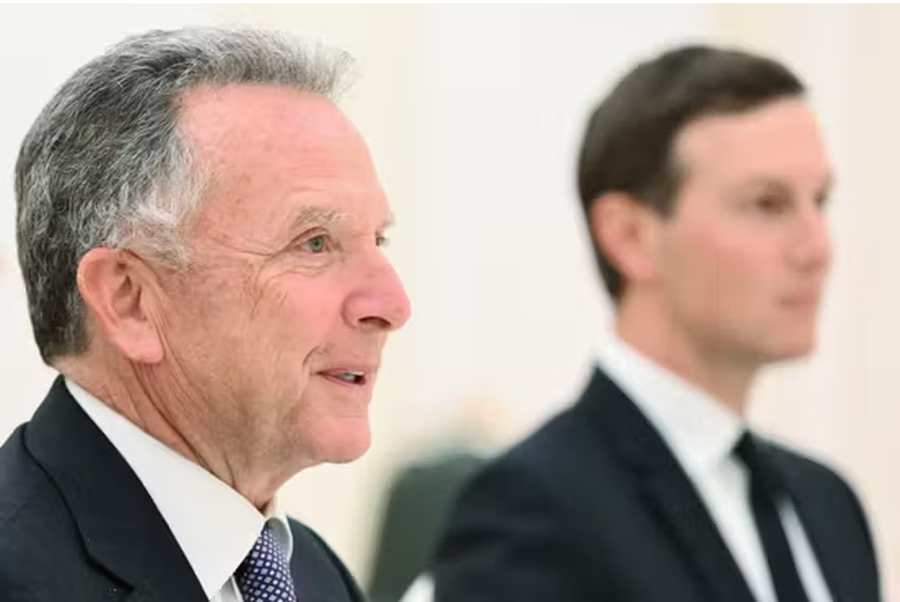
American representatives chose the day, location, and guest list, deliberately excluding Europe.
On Thursday, December 4, in Miami, Florida, not far from Donald Trump's Mar-a-Lago residence, the US President's special envoy, Steve Witkoff, and his son-in-law, Jared Kushner, met with Ukraine's chief negotiator, Rustem Umerov, and Ukraine's Chief of Staff, Andriy Hnatov, to brief them on the details of their negotiations in Moscow two days earlier with Vladimir Putin.
But no serious compromise was reached with the Russian president, who holds maximalist demands for Kiev's capitulation.
But the concern of Ukrainians and their European allies is not just Russian. It has become American. Just hours after the meeting between two of Donald Trump’s trusted advisers and Vladimir Putin, Kirill Dmitriev, the former head of the Russian Direct Investment Fund and a close advisor to the Kremlin leader, revealed the content of the discussions on X, claiming that the document, studied “in detail,” was a 27-point plan. This is almost identical to the original 28-point peace plan, unveiled on November 21, which included most of Russia’s demands. The outcome of the Geneva negotiations held between the Europeans, Americans, and Ukrainians on November 23, aimed at removing the most problematic elements and making it acceptable under international law? Forgotten. It is likely that Mr. Dmitriev is lying. The Europeans can imagine, but they cannot be sure. “We were not in the room,” commented the Quai d’Orsay in Paris.
A Ukrainian source, quoted by the Financial Times on December 4, confirmed that the plan presented by the Americans included "points that the Ukrainians refused to address... points that they did not approve of and that the Americans wanted to discuss with the Russians."
The Americans demanded maximum discretion from the Ukrainians.
"They can't say or share anything with us," a senior diplomat in Brussels observed. Kept in the dark, Kiev's allies, whose fate is tied to Ukraine's by the Russian threat, are being deliberately excluded from the talks by the United States.
Të injoruar, por edhe të poshtëruar. Pas takimit në Moskë, një takim ishte planifikuar nga evropianët në Bruksel midis Steve Witkoff, Jared Kushner dhe Presidentit ukrainas Volodymyr Zelensky. Qëllimi ishte të sqarohej çështja e garancive të sigurisë të premtuara Kievit në rast të një armëpushimi. Ukraina mund të pranonte vetëm lëshime territoriale në këmbim të mbrojtjes amerikane për të parandaluar çdo ofensivë të mëtejshme ruse.
“Asnjë respekt” për evropianët nga SHBA
Në Gjenevë, Sekretari i Shtetit i SHBA-së, Marco Rubio, kishte dhënë miratimin e Shteteve të Bashkuara për një forcë paqeruajtëse. Por asgjë nuk u nënshkrua. Dhe avioni që mbante dy amerikanët nuk u ndal kurrë në Belgjikë. Njerëzit e presidentit preferuan të takoheshin me delegacionin ukrainas në Florida, mijëra kilometra larg Kontinentit të Vjetër. “Për Trumpin, evropianët janë si guatemalanët; ai nuk ka respekt për ta”, pohon ish-ambasadori francez në Uashington, Gérard Araud.
Besueshmëria e aleatit amerikan tani është në dyshim. Donald Trump, i acaruar nga ky konflikt i cili, sipas tij, nuk do të kishte ndodhur kurrë nëse ai do të kishte qenë në pushtet në vitin 2022, sugjeron rregullisht se nuk është i paprekur nga argumentet e Vladimir Putinit. Të mërkurën, në Shtëpinë e Bardhë, presidenti amerikan përsëriti se emisarët e tij mendonin se Rusia donte paqe dhe se Volodymyr Zelensky duhet të kishte arritur një marrëveshje në shkurt, kur ndodhi grindja e dhunshme midis tij, zëvendëspresidentit të SHBA-së J. D. Vance dhe presidentit ukrainas.
“U thashë ukrainasve Ju nuk i keni letrat në dorë’. Mendova se ishte koha e përsosur për të bërë një marrëveshje”, theksoi Donald Trump, i cili duket se nuk shqetësohet se kush është agresori dhe kush është viktima.
Të enjten, qeveria amerikane njoftoi se po pezullonte disa nga sanksionet kundër gjigantit rus të naftës Lukoil, më pak se dy javë pasi ato hynë në fuqi, për të lejuar që stacionet e benzinës të vendosura jashtë Rusisë të vazhdojnë të operojnë. Evropianët janë të indinjuar, por me dyer të mbyllura. Të hënën, gjatë një bisede telefonike të zhvilluar në kuadër të vizitës së Volodymyr Zelensky në Paris, transkripti i së cilës u botua të mërkurën nga revista gjermane Der Spiegel, Emmanuel Macron paralajmëroi: “Volodymyri është në rrezik të madh dhe është e mundur që Shtetet e Bashkuara ta tradhtojnë Ukrainën për çështjen e territoreve pa garanci të qarta sigurie”, tha ai, duke vëzhguar lojën e rusëve për të marrë atë që munden për të blerë kohë.
Logjika e dy biznesmenëve amerikanë
Profilet e Steve Witkoff dhe Jared Kushner, dy biznesmenë që synojnë tregun rus me mendësinë e një zhvilluesi të pasurive të paluajtshme, po shkaktojnë shqetësim.
"Nuk mund t'i lëmë ukrainasit dhe Volodimir vetëm me këta djem", deklaroi Presidenti finlandez Alexander Stubb. "Volodymir, duhet të jesh shumë i kujdesshëm në ditët në vijim; ata po të bëjnë ty dhe ne budallenj", shtoi kancelari gjerman Friedrich Merz.
None of the leaders mentioned wanted to comment on the conversation. The Élysée Palace clarified that the word “betrayal” was not uttered. Europeans are alone, marginalized and sometimes deceived. But they refuse to engage in a power struggle with the United States, which they believe would only highlight their weaknesses and divisions. “Europeans depend on America for their protection; the priority is not to lose Trump, despite the bitter medicine that the American administration is trying to impose on them. Trump has succeeded through an extraordinary stunt, creating a climate of general fear of what he can do. It is less American power itself than the potential use of it that is frightening,” notes Michel Duclos, special adviser on geopolitics at the Institut Montaigne.
The Europeans seem to be forced to wait for the United States to acknowledge Russia’s own obstruction of any peace process. However, they have the political and financial clout over the US administration to raise their voices. Playing into Vladimir Putin’s hands angers some Republicans, and the Trump administration cannot decide, as the original peace plan stipulated, on accession to the European Union or on Kiev’s expulsion from the North Atlantic Treaty Organization without the consent of member states.
Seizing Russian assets held in Europe would also allow European officials to seize some 210 billion euros. Enough to finance more than two years of military aid to Ukraine and at least partially offset a potential withdrawal of U.S. aid. But the European legal mechanism and the reluctance of Belgium, where most of these assets are located, are thwarting this grand plan.
On Friday, Merz was scheduled to travel to Belgium to “convince” Prime Minister Bart De Wever “that the path they are proposing here is the right one” to “help Ukraine.” Germany could act as a guarantor for securing these assets.
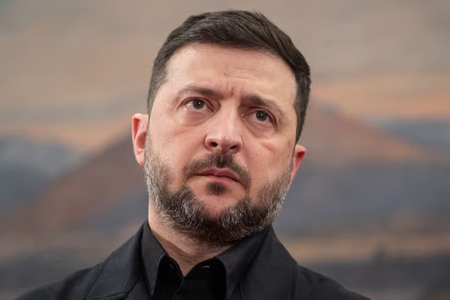
On Thursday evening, Zelensky, in an aggressive tone, reiterated his desire to “receive full information on the statements made in Moscow,” reminding the Americans that “the support of his European partners” was necessary./ Adapted from Le Monde



Lini një Përgjigje