


 Shkruar nga Pamfleti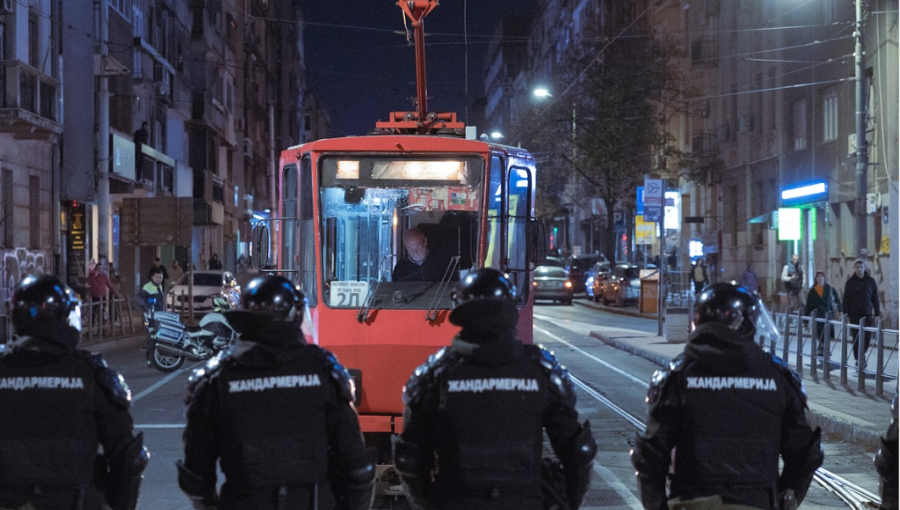
Serbian authorities braced for possible clashes on November 5th as groups of Serbs from Kosovo arrived in Belgrade after a week-long march to Novi Sad, joining pro-government demonstrators calling for an end to more than a year of student-led blockades and anti-government protests.
Tensions have escalated outside the Serbian parliament over the past three nights, with pro- and anti-government demonstrators clashing, throwing fireworks and other objects.
Police with special equipment and gendarmes have been deployed in large numbers around Pionirski Park and the parliament area.
The unrest comes after a mass rally in Novi Sad on November 1st, marking the first anniversary of the collapse of a tent at the city's railway station, which killed 16 people.
The tragedy sparked a year-long protest demanding government accountability and anti-corruption reforms, led largely by students.
The government appeared to risk further escalating the situation by bringing in busloads of supporters from across the country on November 5 to welcome Kosovo marchers outside the Serbian parliament.
Opposition media reported that the buses were mainly filled with senior citizens and young people employed in state-owned companies.
Danas reported that Roma communities were transported on separate buses, claiming that they were unfairly separated.
Meanwhile, hunger striker Diana Hrka, whose son died in the Novi Sad collapse, continued to call for calm among students and anti-government demonstrators, urging citizens not to provoke violence. Prince Filip Karađorđević of Serbia also called on her to end the strike.
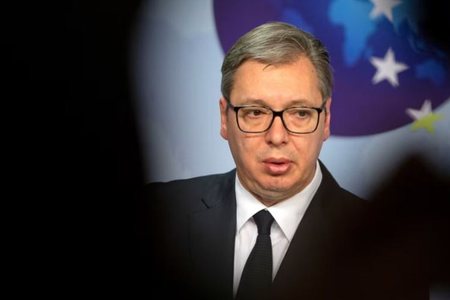
President Aleksandar Vučić, facing calls for early elections, rejected claims that the government was orchestrating a large counter-protest in Belgrade, but confirmed a reception for Kosovo marchers in Pionirski Park.


Lini një Përgjigje