


 Shkruar nga Ben Munsterr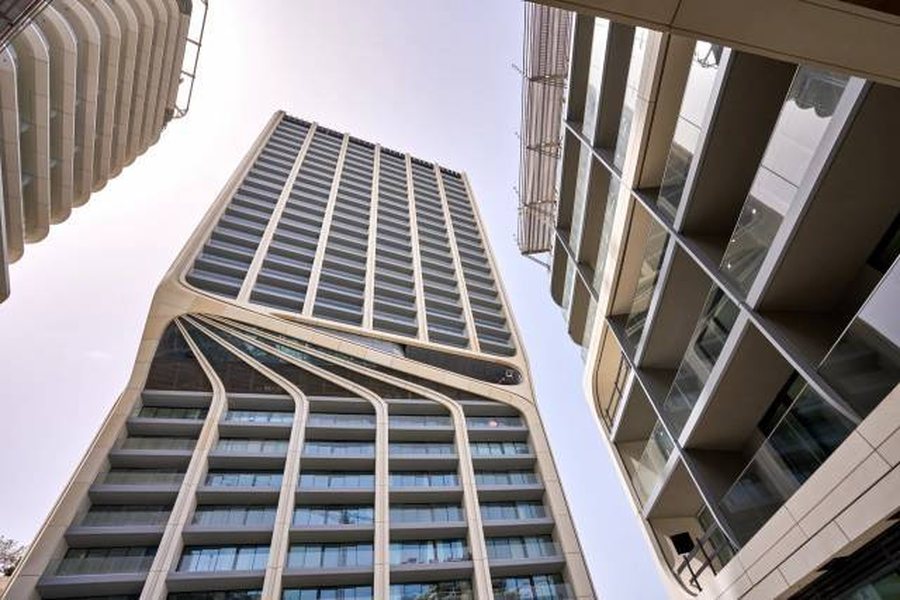
Between 2013 and 2024, the stock of foreign direct investment, most of which in shell companies, trusts and holding companies, grew from 9.6 billion euros to a staggering 460 billion euros...
If you're looking for a prime example of the profound ugliness and moral decay wrought on a small island nation by a decade of misrule, you could do worse than a visit to the seaside party district of Paceville. Unpleasant smells of meat permeate the air, house music thunders behind high walls, and crowds of tourists frequent strip clubs in unsightly new buildings that, like evil vines, are beginning to invade the neighborhood's neighboring suburbs.
Since the once-dominant former prime minister, Joseph Muscat, took power in 2013, this small Mediterranean island nation has experienced a surprising economic boom, fueled by an unrestrained drive to lure the world’s wealthy. But the dizzying growth has led to serious distortions, most notably in the country’s increasingly rigid living environment.
In towns like Paceville and countless others, weary locals complain that powerful construction firms have been allowed to flout politicians and planning laws, raising grim sights over the once-pristine coastline of the tiny island while critical infrastructure rots. Politics has degraded along with it, producing endless corruption scandals and a persistent sense of impunity, while major trials have continued to produce zero high-profile convictions.
All that seemed to change in May 2024, when Joseph Muscat and 33 others were charged in connection with a widespread international fraud. Senior officials, including the former prime minister, were accused of stealing thousands of euros of taxpayer money intended for the reconstruction of three state hospitals that were falling into disrepair.
The country finally linked its fate to Europe in 2004 with its entry into the EU, but its real transformation began in 2013 with the election of Joseph Muscat on a comprehensive platform of renewal after years of economic hardship.
Muscat was the young and dynamic leader of the Labour Party, which, along with the Nationalist Party, is one of two centuries-old factions that command fanatical support bases in Malta. Muscat’s strategy was to exploit the small nation’s new access to the world’s largest trading bloc, catering to an increasingly loose global elite. Under his leadership, the government radically changed its business model, selling passports to wealthy foreigners and making it incredibly easy to set up financial services, cryptocurrency and online gambling firms that could then operate across the EU.
Malta quickly became a playground for international investors. Between 2013 and 2024, the stock of foreign direct investment, much of it in shell companies, trusts and holding companies, grew from €9.6 billion to a staggering €460 billion, 68 times faster than Malta’s equally staggering domestic growth. At the same time, gross domestic product per capita grew by almost 70 percent, over four times the European average, creating a newly wealthy class of citizens who found it difficult to resist the new order.
But prosperity also brought a growing rapprochement between business and politics. Perceptions of corruption grew steadily. Desmond Zammit Marmarà, a former Labour lawmaker turned critic, recalled being pressured to do favours by businessmen who claimed high-level connections and noted a tendency in the public sector to inflate budgets. Another former Labour lawmaker complained that centuries of colonial rule had taught his countrymen that it was a virtue to steal from the state.
Concern about this new dynamic was most evident in the construction sector. Upon taking office, the Labour Party reinvigorated the anything-goes approach to development initiated by the previous government. The dream was to transform Malta into a cosmopolitan city for the super-rich, a Mediterranean Dubai of luxury hotels and towering office blocks.
Malta’s urban landscape soon witnessed a remarkable transformation. Cranes filled the sky, sawdust covered the streets, and the neat rows of 19th-century townhouses gave way to ungainly slabs of glass and steel. The endless construction brought waves of migrant workers, tourists, and businessmen, all flocking to the new place that was gradually being built on top of the old, swelling the population significantly during the summer and causing a persistent housing crisis.
Kritikët thanë se i gjithë sistemi ishte i prishur dhe i korruptuar. Një proces planifikimi i përhapur në një sërë organesh lokale, institucionesh publike dhe portofolesh ministrore u shfrytëzua lehtësisht nga zhvilluesit që kërkonin të zbatonin projekte ndonjëherë ligjërisht të rrezikshme, shpesh me mbështetjen e heshtur të zyrtarëve qeveritarë dhe bashkiakë. Sipas Emanuel Delia, bashkëthemeluesit të organizatës joqeveritare të sundimit të ligjit Repubblika, ndryshimet në politika paraqitën një përzierje të derregullimit të vërtetë dhe "zbatimit selektiv" të rregullave ekzistuese që favorizonin firmat me lidhje të ngushta me qeverinë. Vetëm këtë verë, Zyra Kombëtare e Auditimit e Maltës shkaktoi një raund të ri zemërimi publik kur pretendoi se shefi i fuqishëm i stafit të Muscat, Keith Schembri, kishte ndihmuar autoritetin e tokës së Maltës të fshihte një raport vlerësimi në emër të një zhvilluesi të madh në vitin 2019, duke i kushtuar taksapaguesit gati 16 milionë euro. Schembri ka mohuar çdo shkelje.
Sipas pikëpamjes së Delias, Malta ka rënë viktimë e një lloj “familizmi amoral” në të cilin klanet e pasura dhe me lidhje të mira e vënë pasurimin e vetes dhe të të afërmve të tyre mbi të gjitha. Disa vendas, ndërsa pranuan dëmin e mbizhvillimit, privatisht e mbrojtën atë me këto kushte, duke argumentuar se ata që shfrytëzuan rregullat e gabuara ishin të pafajshëm, viktima të stimujve financiarë shumë tërheqës për t'u rezistuar.
Në pamje të parë, planet e vitit 2015 për të privatizuar tre spitale në rrënim morën të njëjtën logjikë që karakterizoi bumin e Muscatit, rritje të shpejtë përmes marrëveshjeve private, dhe e zbatuan atë në shërbimet publike në dështim të Maltës.
Ideja ishte që spitalet Karin Grech, Gozo General dhe St. Luke's t'ia dorëzonin një konsorciumi vendas të kujdesit shëndetësor, Vitals Global Healthcare, i cili do t'i rinovonte spitalet sipas modelit të "turizmit shëndetësor" që mund ta eksportonte në të gjithë Evropën. Por, pavarësisht infuzionit prej 456 milionë eurosh nga qeveria, Vitals dështoi të përmbushë shumë nga angazhimet e saj. Në vitin 2017, pasi dhjetëra afate u shkelën, koncesioni iu dorëzua një dege lokale të Steward Health Care me seli në SHBA, e cila më pas humbi afatet e veta dhe shpalli falimentimin mes një breshëri padish në vitin 2024, duke nxitur hetime federale në SHBA. Vetë koncesioni u anulua përfundimisht pasi një gjykatë malteze e konsideroi atë "mashtruese". Sipas zyrës së auditimit dhe një hetimi gjyqësor prej 1,200 faqesh, skema ishte nisur me hile që nga fillimi.
Në realitet, Vitals ishte një kompani fiktive me kapital të hollë e krijuar nga një grup i udhëhequr nga Shaukat Ali, një biznesmen i shquar pakistanez i cili ishte "i përfshirë në nivelet më të larta të regjimit famëkeq të korruptuar të Kolonel Gadafit në Libi". Më pas ryshfetet nga koncesioni dyshohet se kanë rrjedhur përmes këtij rrjeti të errët në llogaritë bankare të mbajtura nga Muscat, Schembri, Mizzi dhe një kast i gjerë mbështetës konsulentësh dhe ndërmjetësish që shtrihen në disa kontinente.
-Dhuna në stilin mafioz, ose kërcënimi i saj, ka përshkuar gjithashtu procedurat e Vitals, të cilat janë kërcënuar nga kujtimi i Daphne Caruana Galizia, një gazetare investigative e pamëshirshme e cila ishte ndër të parat që zbuloi mospërputhjet në koncesionin e Vitals, dhe u vra nga një bombë rrugore e bashkangjitur në pjesën e poshtme të Peugeot 108 të saj në vitin 2017. Pas një përpjekjeje të përbashkët nga bijtë e saj të pikëlluar dhe një grup i gjerë aktivistësh të shoqërisë civile, përfshirë Aquilina, vrasja u lidh me një biznesmen të afërt me qeverinë Muscat, dhe disa gangsterë të nivelit të ulët u dënuan së fundmi për kryerjen e saj. Megjithatë, ngjarjet kanë lënë një efekt të dukshëm frenues në përpjekjet më të gjera të llogaridhënies.
Për shembull, një numër ekspertësh të pavarur gjyqësorë kritikë për hetimin e Vitals po refuzojnë të dëshmojnë në vend. Një eksperte gjyqësore serbe, Miroslava Milenović, nuk pranoi të kthehej në gjykatë pasi Muscat e paditi atë pas një seance dëgjimore dramatike në të cilën ajo pranoi se nuk ishte e regjistruar në Maltë si kontabiliste e çertifikuar. Një tjetër, Jeremy Harbinson, ka kërkuar të dëshmojë nga Londra, duke thënë se nuk do të kthehej kurrë në Maltë sepse ka frikë për sigurinë e tij. Dy persona të njohur me çështjen thanë se Harbinson ka qenë nervoz për vizitën në vend që nga viti 2022, kur dhoma e tij e hotelit u thye në mënyrë misterioze dhe pasaporta e tij u vodh gjatë një udhëtimi për të ndihmuar në bastisjen e banesës së Muscat.
Ndërhyrjet agresive nga politikanët e lartë kanë ndikuar gjithashtu rëndë në procedura, me figura nga të dyja anët e spektrit që shfrytëzojnë natyrën intensivisht tribaliste të politikës malteze. Edhe qeveria ka ndërhyrë, duke shfrytëzuar mungesën e besueshmërisë së supozuar të ekspertëve të gjykatës për ta cilësuar gjyqin si një manipulim. Ndërsa gjyqi filloi majin e kaluar, kryeministri Robert Abela - pasardhësi i Muscat - shkoi aq larg sa e quajti hetimin një sulm të motivuar politikisht nga forcat e "establishmentit".
In fact, some worry that the whole thing will fail. The slow pace of the trial is not just an activist’s complaint: It is reflected in ongoing criticism from international organizations, including the Organization for Economic Cooperation and Development and the Council of Europe, which have accused Malta of being too slow to implement anti-corruption reforms. The EU’s annual rule of law report has consistently highlighted the lack of high-level convictions.
But for those who want a complete overhaul of Malta’s business, political and corruption culture, there is little reason for optimism. Despite the endless scandal, the Labour Party maintains a consistent lead in the polls, a testament to the economic growth that has been seen under its watch. Former Prime Minister Muscat wields enormous influence over the Labour Party, and many people enriched by his policies feel they “owe” him.
All of this, perhaps, is the inevitable fate of a small, resource-poor, service-burdened economy whose politicians have little to offer beyond privileged access to a market captured by private interests.
Scicluna, the central bank governor, echoed that sentiment last year atop Valletta’s lush botanical gardens. A 79-year-old with a distinguished academic background who was called to serve under Muscat in 2013 after a long stint as a television pollster, the former finance minister said he was proud of his tenure, during which he reduced Malta’s deficit and increased financial stability. He said Malta’s problems are the result of bad actors exploiting loopholes created by otherwise legitimate government policies./ Adapted from “Pamphlet” by “Politico”







Fiks Shqiperia Edi Rames. Ku po shkojme o njerez, na udheheq nje i marre.