


 Shkruar nga Pamfleti
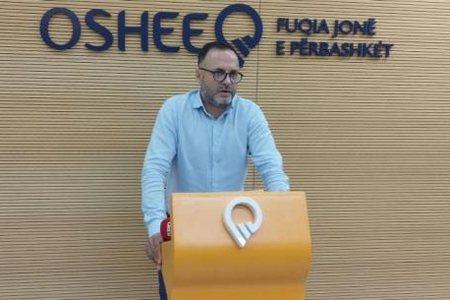
The head of "Konfindustria", Gjergj Buxhuku, invited to the "Studio24" show, has warned of an extremely dangerous economic situation in Albania, in the context of the energy crisis and rising prices following tensions in Iran and the blockade of the Strait of Hormuz.
According to Buxhuku, Albania is in a more fragile position than other NATO countries and should not rely on allies for economic stability.
"The idea is that we should not become a burden on NATO. We should produce stability ourselves, not hold out hope that others will support us when we cannot support ourselves," he said.
He criticized the lack of reaction from the Albanian authorities compared to other countries, which according to him have taken concrete measures since the beginning of the crisis. "We have not taken measures. We have waited for the price to exceed 220 lek per liter of oil. Until today we are in the realm of words, while others are in the realm of action," Buxhuku emphasized.
Using a metaphor, he warned of the domino effect of the crisis: " A crisis when it starts is like an avalanche. You have to stop it at the beginning, otherwise it continues and escalates."
According to him, the Albanian economy is particularly at risk and could face serious consequences.
"The bad economic position that Albania has today could be that dry powder that only takes a small spark, like the fuel crisis, to set it on fire," he declared.
Buxhuku also raised concerns about the domestic industry, warning of the risk of its closure due to high costs and competition from imports.
"How long can we keep the industry closed? Foreign products are taking over the market. Reopening a closed industry has very high costs and could lead to bankruptcy," he said.
He added that this situation also directly affects farmers and investors, who according to him immediately withdraw when they see negative indicators. “When they see these indicators collapsing, investors immediately leave,” said Buxhuku.
In his analysis, he went further by comparing the current economic situation with the period of the pyramid scheme crisis in Albania in 1996-1997, warning of similar dangers.
"Even without this fuel crisis, Albania has been in conditions similar to pyramid schemes. Today the danger comes from informal money," he declared.
According to Buxhuku, the Albanian economy is being kept afloat by informal financial flows, using a strong metaphor: "It's like not producing oxygen yourself, but being intubated with oxygen from outside, from informal money."
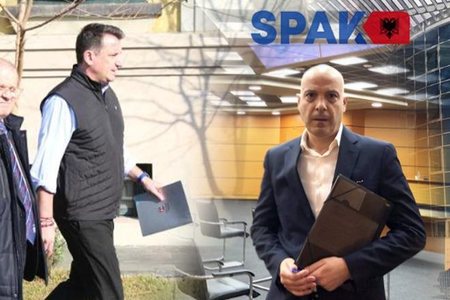
He also mentioned the role of SPAK, emphasizing that its creation is related to the need to control the criminal money circulating in the country. “Today, Albania risks turning into a 'treasure island', where informal money enters from abroad,” he concluded.



Lini një Përgjigje