


 Shkruar nga Pamfleti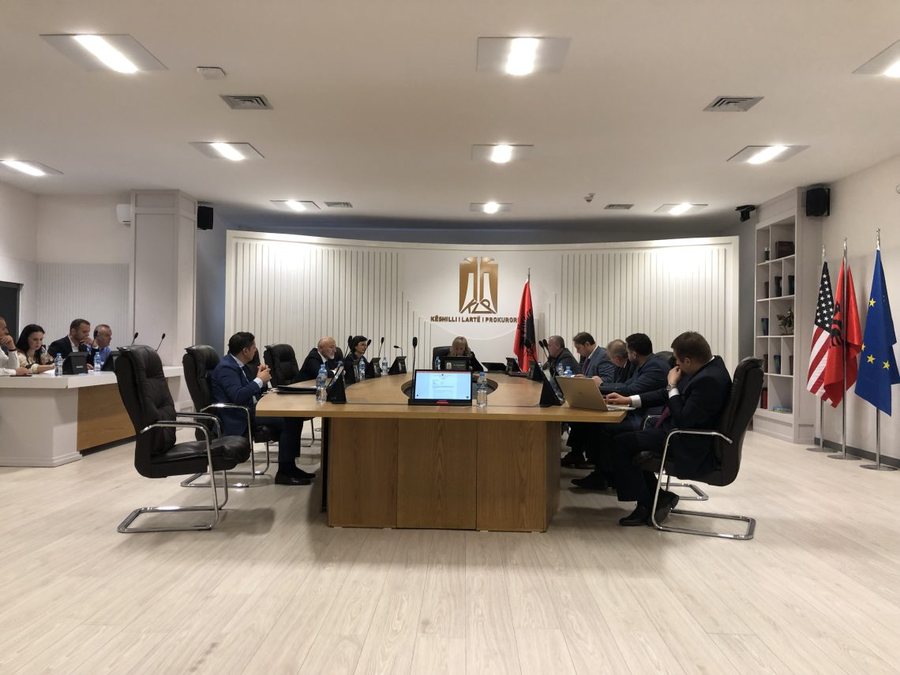
We have the movements of diplomats, special envoys or not, who from time to time appear at the doors of SPAK. Although their goal is stability and strengthening justice, their interventions often create dependence and a perception that SPAK is more oriented towards embassies or diplomats.
This week, on December 11, the KLP will decide who will be the new head of SPAK, while Altin Dumani's mandate as leader ends on December 18.
There are 4 prosecutors in the race for the new head of the Special Prosecution Office, while referring to the 9-year mandate that this institution has, where the 3-year term will be the last as far as SPAK's activity is concerned.
In the race for the head of SPAK are Klodian Braho, Doloreza Musabelliu, Adnan Xholi and Elvin Gokaj, all part of the structure tasked with investigating high-level corruption and organized crime.
Due to the very specificity of this institution, it seems that the selection of the new head of SPAK has turned from an administrative and professional process into an arena of pressure, manipulation of public opinion and attempts to orient the direction of the institution. This also happened with the competition where Altin Dumani was declared the winner 3 years ago, where amidst political and international pressure, the latter managed to choose their favorite.
And while in the elections for this new mandate that begins after December 18, we do not have the same performances that were observed 3 years ago, as diplomats 'rolled up their sleeves' and took notes, this time it seems that everything is becoming more camouflaged.
What is certain is the fact that politics has not given up on the tendency to orient key justice processes.
Even when direct interventions are absent, public rhetoric and political commentary create clear pressure on decision-making bodies.
The fact that every election within SPAK is politically commented on is a symptom of capture.
On the other hand, powerful economic segments and networks linked to organized crime, through political intermediaries, or through indirect pressures, seek to influence the race, targeting a leader who does not affect their interests.
Likewise, we have the movements of diplomats, special envoys or not, who occasionally appear at the doors of SPAK. Although their goal is stability and strengthening justice, their interventions often create dependency and a perception that SPAK is more oriented towards embassies or diplomats.
This has also created the idea that every leader must have the approval of external actors, while politics is hidden behind the positions of partners, avoiding responsibility.
Under these conditions, it seems that even this race for the last head of SPAK, based on the mandate that this institution has, will not pass without pressure and noise, perhaps more moderate than that of 3 years ago.
Based on the KLP regulation, the new head of SPAK is elected by the one who receives the most votes, while it is important that the required number of members, 7, are present at the meeting, which also constitutes the quorum.
This means that no matter how many votes one of the candidates in the race may receive, it is enough for him to receive more than the others and he will take the lead.
And the way this process will be managed will at least show the strength of the new justice institutions, but will also determine the direction in which the country's SPAK will move in the fight against corruption and organized crime. / Pamphlet /



Lini një Përgjigje