


 Shkruar nga Pamfleti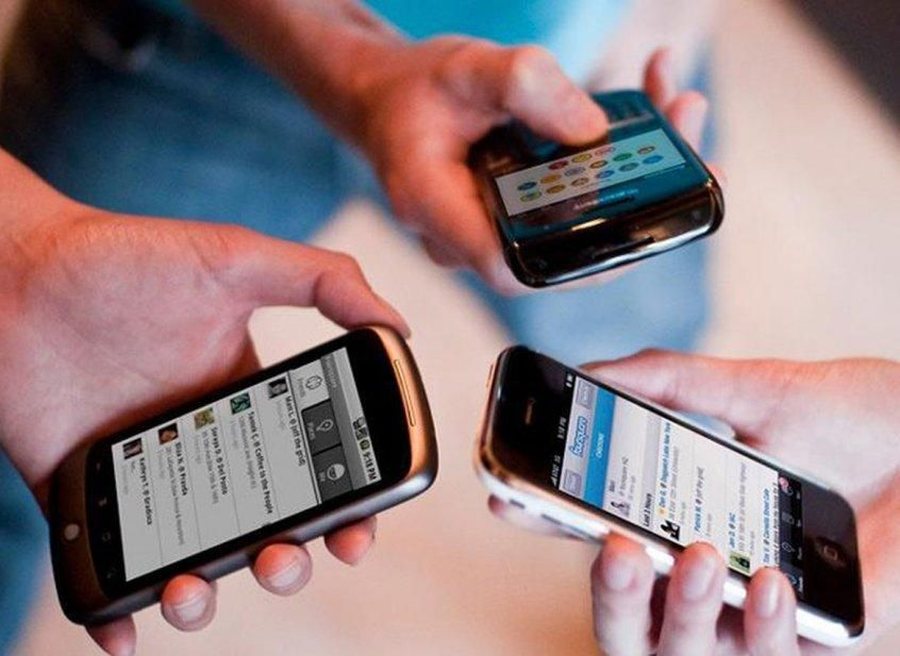
Come è avvenuto il passaggio di potere da quattro a due operatori nella telefonia mobile, e chi paga la bolletta?
Vodafone Albania e One Albania costituiscono oggi l'unico asse portante del mercato della telefonia mobile in Albania. Un mercato che un tempo contava quattro operatori, con dinamiche di entrata e uscita e aggressive guerre di prezzo, si è trasformato in una struttura di puro duopolio.
L'uscita di Plus Communication dal mercato e il successivo consolidamento attraverso l'assorbimento di Albtelecom da parte di One Albania hanno ridotto la concorrenza reale al minimo strutturale. La domanda che si pone oggi non è se abbiamo solo due aziende, ma se abbiamo due aziende con un potere di mercato tale da poter influenzare i prezzi, il ritmo degli investimenti e la qualità del servizio senza il timore di un terzo concorrente destabilizzante.
Da un punto di vista economico, il mercato della telefonia mobile albanese presenta le caratteristiche classiche di un oligopolio concentrato: elevate barriere all'ingresso, elevati costi infrastrutturali fissi, un mercato di piccole dimensioni con elevata penetrazione e regolamentazione statale sullo spettro.
In un'economia con circa 2,8 milioni di abitanti e una penetrazione della telefonia mobile superiore al 100% (molti utenti con più di una scheda SIM), lo spazio per la crescita organica è limitato. Ciò significa che il profitto non deriva più dall'espansione della base clienti, ma dall'aumento del fatturato per utente (ARPU), da pacchetti più costosi e da un migliore controllo dei costi. In una struttura a due attori, l'incentivo a impegnarsi in guerre di prezzo distruttive è minimo; l'incentivo alla stabilità tariffaria è massimo.
Rispetto alla regione, l'Albania presenta una maggiore concentrazione. In Kosovo, due o tre attori operano con una presenza visibile, in Macedonia del Nord ci sono tre operatori consolidati, mentre in Montenegro, con 700 mila abitanti, il mercato ha tre licenze attive. Nella maggior parte dei paesi dei Balcani occidentali, anche quando un operatore domina, ce n'è un terzo che esercita una pressione strutturale sui prezzi. L'Albania, con due grandi operatori e senza un vero MVNO (operatore di rete mobile virtuale), è tra i mercati più chiusi in relazione alle sue dimensioni.
Il potere di mercato si misura attraverso la concentrazione (indice HHI), le quote di mercato e la capacità di influenzare i prezzi al di sopra del costo marginale. Anche in assenza di dati pubblici dettagliati e aggiornati in qualsiasi momento, una struttura 50/50 o 55/45 tra i due attori produce un HHI molto elevato; in pratica, al di sopra dei limiti che nell'UE sono considerati indicatori di elevato rischio concorrenziale.
In tali condizioni, anche in assenza di un accordo scritto, il mercato tende al coordinamento tacito: i pacchetti cambiano in modo analogo, le tariffe base si muovono parallelamente, le offerte promozionali sono temporanee e caute, senza destabilizzare l'equilibrio generale.
The most delicate dimension is the relationship between investment and competition. Operators argue, not without reason, that consolidation increases the capacity for investment in 4G+ and 5G, for network expansion and for quality improvement. But international experience shows that when competition declines, investments do not automatically increase; they are rationalized.
In a small market, return on capital becomes a priority. So, you invest as much as the regulator and minimal competitive pressure require, not as much as you would invest in an environment with three or four players fighting for market share.
The role of the Competition Authority and the Electronic and Postal Communications Authority becomes key in this context. But the truth is that this role is not even heard of. The challenge is not to prove a classic cartel, but to monitor structural behavior: is there tariff synchronization, are there barriers to entry for virtual operators, are there practices that limit the movement of subscribers between networks? If the regulator remains passive, the duopoly stabilizes in a “cold peace” that favors financial balances, but not necessarily the consumer.
There is also a geo-economic dimension. Telecommunications is a critical infrastructure, with an impact on national security and European integration. Albania aspires to harmonise with EU standards, where competition policy is one of the main pillars. A highly concentrated market, without corrective instruments such as MVNOs or strong wholesale tariff regulation, could raise questions in the process of approximation with the acquis communautaire* in the field of competition and electronic communications.
Ultimately, the crux of the debate is not simply whether two companies are “too few” or “enough”. The crux is whether the current structure produces competitive prices, sustainable innovation and quality of service at a regional level. If the Albanian consumer pays comparable or higher tariffs than the region for the same volume of service, then market power is real and exercised. If packages are similar and tariff movements reflect each other with minimal delay, then we are dealing with a market that has reached the comfortable equilibrium of two dominant actors.
In a small economy, perhaps three full operators are a luxury. But competition is not a luxury; it is a protective mechanism for citizens and businesses. If Albania does not find ways to inject competitive pressure, whether through virtual operators or more aggressive regulation, it risks the mobile market remaining a consolidated duopoly, where the financial stability of the companies comes before the dynamism of the market. And in this equation, the final bill usually ends up in the pocket of the Albanian user. / Pamphlet
* Acquis Communautaire: l'insieme completo di leggi, norme, standard e decisioni giudiziarie dell'Unione Europea che ogni paese candidato deve accettare e attuare per poter aderire all'UE.




Sherbime e kompanive cellulare lene te zbuluar zona pafund, edhe brenda Tiranes per te mos thene per Fshatrat jane zero. Kliente te kapur ne kurth me kontrate me shkrim per abonim me kohe te gjate. Ne momentin qe klienti nuk e do me sherbimin I vendosin penalitete a thua jane shtet, ku krejt e kunderta ndodh ne Europe qe te ofrojne sherbimin pa kontrate dhe ne momentin qe do e nderpret. Me nje fjale fare e keqe ka mbire ngado. Duhet nje ilaq I forte per ta shfarosur. Ne momentin qe nje operator I trete te hy ne Shqiperi, te gjithe shqiptaret do trasferohen tek ajo.
Se mos vetëm celularët. Po platformat Digitalb e Tring. Cmim dhe shërbime te unifikuar ne nje! Ne ate vend hale cdo gje kunder Shqiptarit.
Duopol i heshtur. Konçensioni që në fillim është dhënë pa garë , favorizues ndaj konçensionarit , në dëm të interesit publik dhe konsumatorëve. Por me përfitim nga 'AUTORITETI'i kohës. Për të njëjtat arsye edhe sot, AUTORITETI ' flen gjumë.
Kur Qeveria lejon bashkimet, ska si ndodh ndryshe. Plusi u nda tek Vodafone dhe One. Me vone One bleu Albtelecomin. Pra jane blerje te qlimshme per te arritur tek moskonkurrenca. Bashkimet sduhet te ishin lejuar nga Autoriteti i Konkurrences. AKEPi nuk ekziston fare, sepse nuk ka asnje analize tregu dhe asnje vendim kunder 2 operatoreve per moskonkurrence. Kot sa marrin rrogat. Pra si ne cdo drejtim, edhe ne telekomunikacion nje m.t te madh po ben Qeveria
Ca pergjigje te lëshe kur çmimet rriten çdo muaj pa.as nje arrsye
Me keto kompani,kur ben kontraten,te listojne sherbimet,psh,tek Tring.Kur ka evenimente sportive,si psh Olimpiada e Milanos,disa kanale qe japin kete ngjarje,mbyllen.I kerkon shpjegim companise,nuk te jep.Po Shoqata e Mbrojtjes se Konsumatorit,ku eshte?Kush na mbron nga abuzimi?Keshtu me telefonine,e me te gjithe ofruesit e sherbimeve.Cili qytetar mbrohet nga ligji?Prandaj,jemi 100 vjet prapa dynjase dhe 50 vjet anash.Shikojeni me dylbi BE-ne!