


 Shkruar nga Pamfleti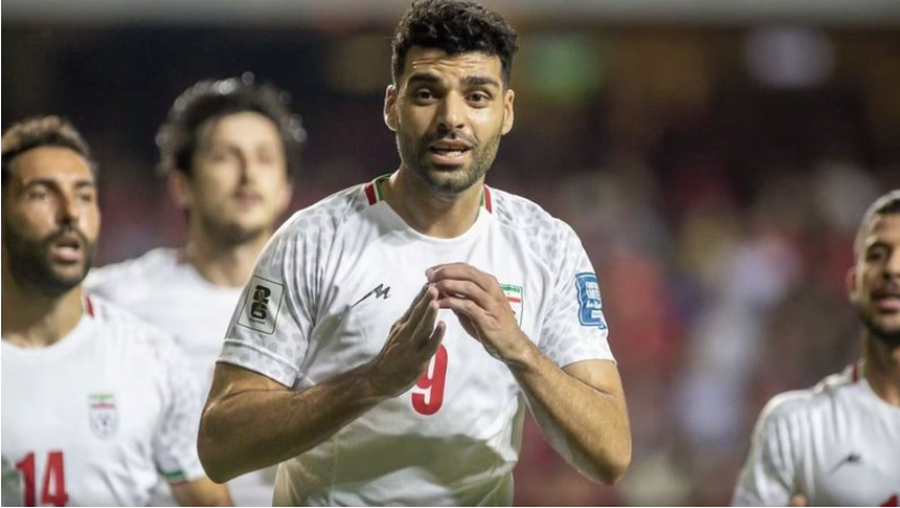
On March 25, Iran officially qualified for the 2026 FIFA World Cup, becoming the sixth team to qualify for the tournament that will be held in the United States, Canada, and Mexico.
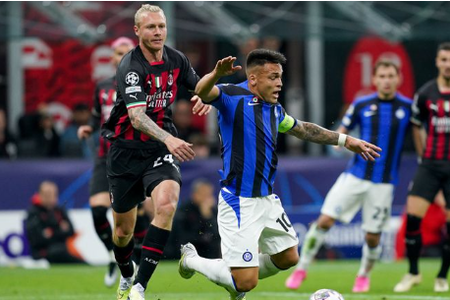
This is the fourth consecutive qualification and seventh in history for Team Melli, thanks to a 2-2 draw against Uzbekistan at the Azadi Stadium in Tehran. The two decisive goals were scored by Inter striker Mehdi Taremi, which guaranteed a place in the top two places of Group A in the final stage of the AFC qualifiers.
However, this sporting achievement is facing serious challenges due to recent tensions between Iran and the United States. US airstrikes on Iranian targets have raised fears of a wider conflict, casting a shadow over Iran's participation in a World Cup that will be held partly in a country with which Tehran has no diplomatic relations.
FIFA is facing an unprecedented dilemma in this situation. In the past, the sports organization has suspended nations involved in conflicts, such as Russia after its invasion of Ukraine and Yugoslavia in the 1990s. Although there is currently no official ban on Iran, that could change, especially given the close relationship between FIFA president Gianni Infantino and the US administration.
Another challenge is US President Donald Trump's executive order, which has imposed strict visa restrictions on citizens of 41 countries, including Iran, effective January 20, 2025. This prevents Iranian fans from entering and potentially makes it difficult for players and staff to travel to the United States, undermining support for the team during the tournament.
The tournament structure also complicates the situation, as Iran will have to play at least one match in the United States and, if they qualify for the next stages, will face the need to be present in Miami, making the visa issue an inevitable problem.
In 1998, the match between Iran and the United States at the World Cup in France was a rare moment of dialogue and peace, but the current climate seems far from such a prospect.
FIFA must choose between preserving the universality of the World Cup and strong geopolitical pressures, while Iranian football faces a paradox: the joy of a historic qualification is threatened by developments off the field of play.



Lini një Përgjigje