


 Shkruar nga Afrim Imaj
 The most important military facilities were located there. Mehmet Shehu, who knew well the doctrine of foreign armies and knew their philosophy, according to which combat aviation was categorically prohibited from attacking the territories of public cemeteries...
Second part
Continued from Part One
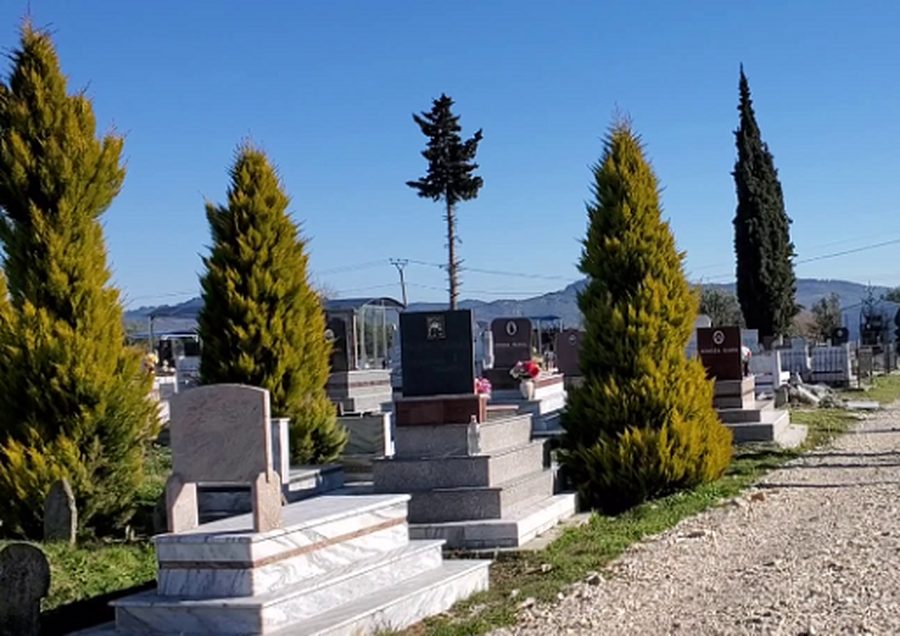
It was the beginning of the 60s when the project of expanding Tirana beyond the area of "Xhamllik" began to be implemented. First, the transfer of the public cemetery of Varri i Bami had to be done.
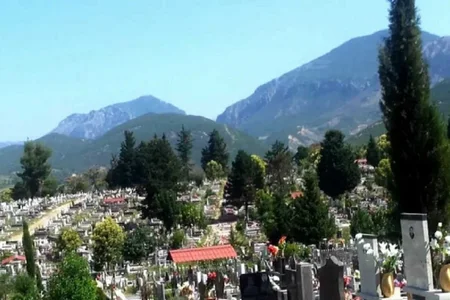
The local authorities preliminarily determined the area of Selita and Shkoza as the possible town of the new cemetery. The initiator of this idea was the former chairman of the Executive Committee, Rifat Dedja. He, after consulting with his specialists, presented it to Mehmet Shehu, with the conviction that he would easily get his approval. However, the prime minister did not see the locals' project with enthusiasm. On the contrary. After carefully studying their proposal, he almost categorically opposed it and gave orders to study some other area. This story is clarified further by one of the engineers of the former Executive Committee of Tirana who has followed this procedure from beginning to end. After that, he says, Mehmet Shehu vetoed the site of the new cemetery. In Tufi, and only in Tufi, was his command. At that time, Besimi Ymeri was young and had no way of understanding the real reason why the prime minister had insisted on this election. Only later, as he claims, would he learn this from conversations with his military friends. According to them, says the engineer of the former Executive committee, everything had to do with strategic reasons, with military reasons. From what he explains, the placement of the cemetery in the area of Tufina, in which the most important objects of the army were located, precluded a possible bombardment by enemy aviation. Mehmet Shehu, who knew well the doctrine of foreign armies and knew their philosophy, according to which combat aviation was categorically prohibited from attacking the territories of public cemeteries. As an experienced sergeant major, he was well aware of the conditional markings on military maps that excluded air bombardment areas, one of which was the public cemetery. Anyway, says Ymeri, this bad thing for the residents of our area had a good side that few knew then...
"How did I know that under the cow prison was Enver's office"
"Do you know, brother friend, that Enver Hoxha had an office here during the war. And how do you know?! Then we didn't even know that we had him at the gate." After bringing us to the head of the valley, which separates the area of Tufina from the city of Tirana, Blerim Shtishi shows us the underground building with five floors that was once the command post of the head of the communist state. Built under the conditions of extreme secrecy in the late 60s, it has been the secret corps of the offices of the command and the General Staff. In every threatening situation there were the senior leaders, and the army chiefs, who, after temporarily leaving the comfort of the block, took the lead and gave orders from the armored underground offices. Enver Hoxha, the most important among them, says Blerimi, came less often, but always in secret. "He came and went, he adds, and no one knew anything. It didn't even occur to us that he could have an office there." The man who had the house on the hill of the secret object, as he says, found out about it by accident. One day in the spring of 1978, while looking for the cow he had lost, he was stopped by the security guards who surrounded the entire area. This unusual collision would cause Blerim Shtishi to be among the first to learn the name of the VIP guest. "Enver Hoxha's office, Shtishi further clarifies, was below my cow's prison"./ Pamphlet





Lini një Përgjigje