


 Shkruar nga Pamfleti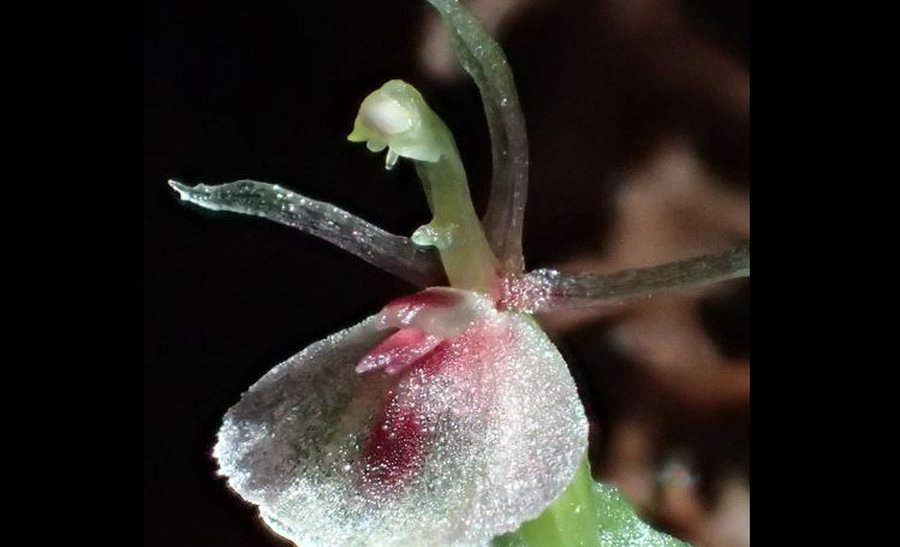
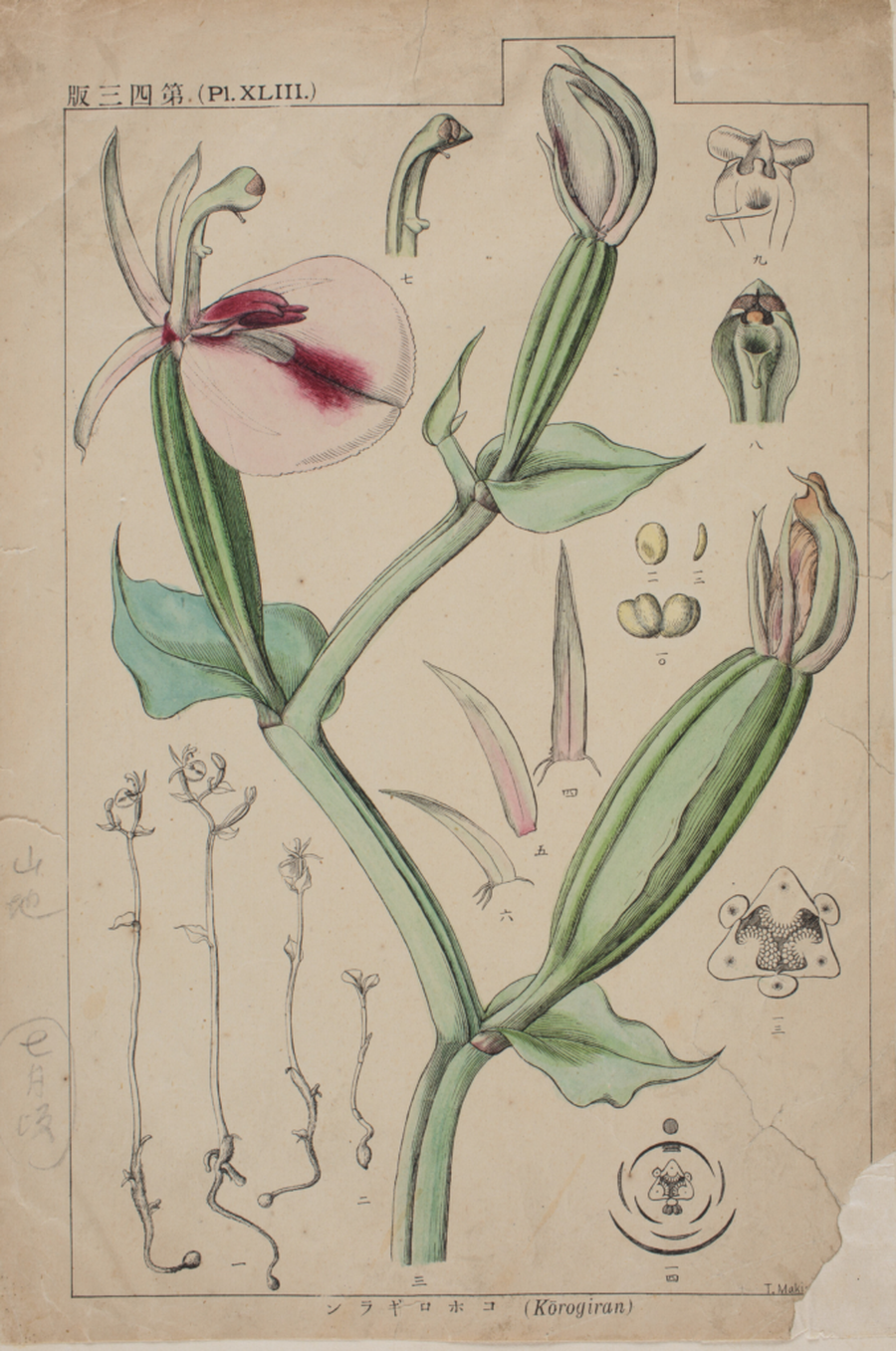
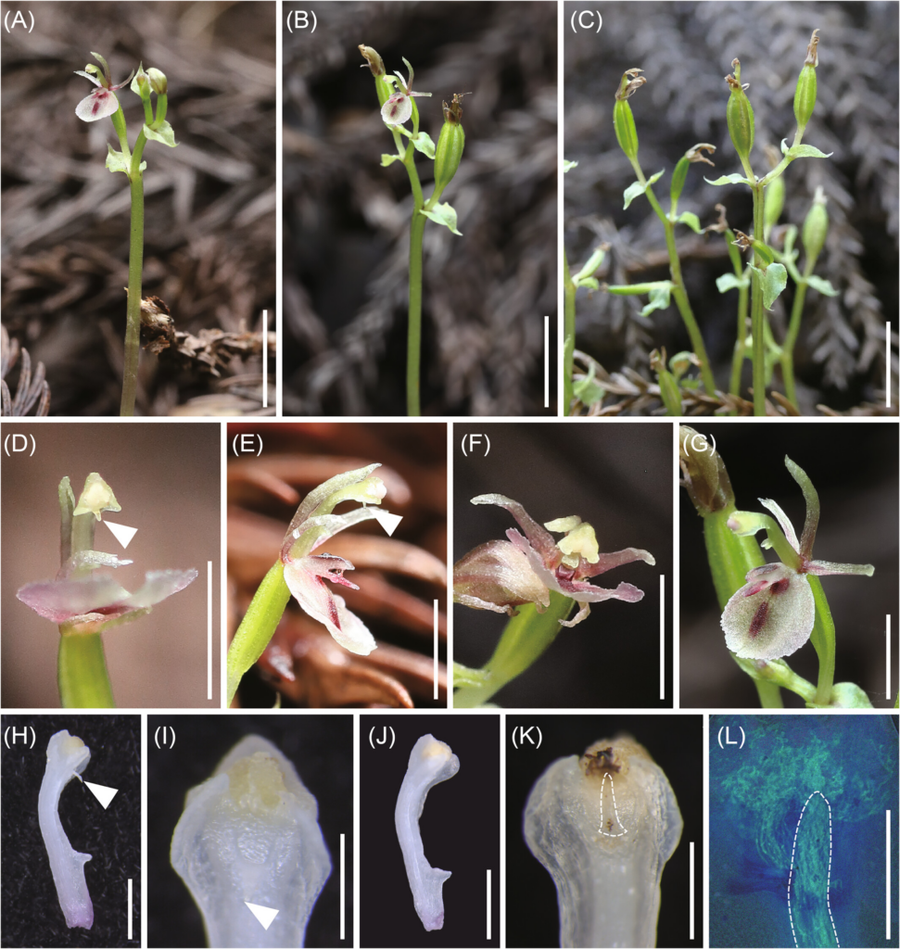
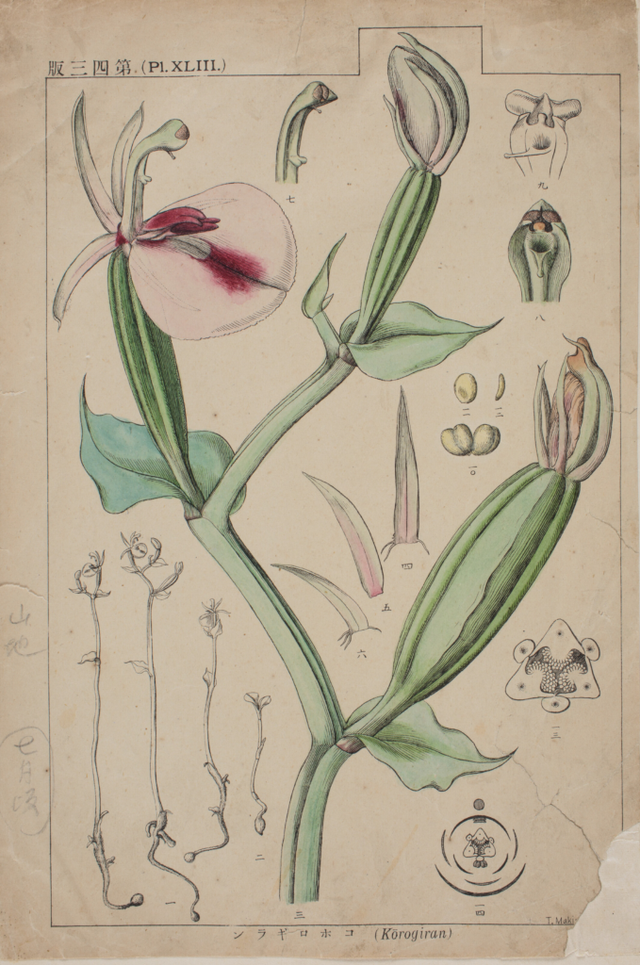
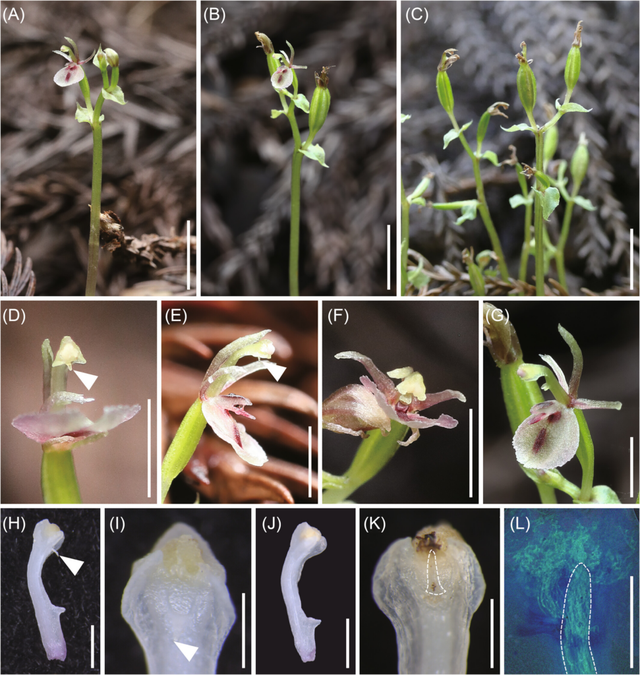
The famous orchid "Stigmatodactylus sikokianus" grows in dark, secluded places where insects rarely come near. The orchid was discovered in 1889 by Tomitaro Makino in Japan, and since then the unique anatomy of this flower has always intrigued researchers. When it blooms, it has a finger-like "appendage" that for years was unknown what ecological function it had.
So they began a series of experiments, observing the orchids closely to see which insects approached them and how the plant managed to produce seeds.
It has been found that these plants, as has never been heard of before in botany, are self-fertilizing. Three days after the flower blooms, the “finger” falls. This fall makes it come into contact with the anther that carries the pollen. This strange phenomenon has not been observed to date in any other plant species.
Researchers believe that this phenomenon will help them understand more about how orchids adapt to challenging habitats, such as forest 'floors' with extremely low light.
This is the case when a plant is 'self-sufficient'.








Lini një Përgjigje