


 Shkruar nga Pamfleti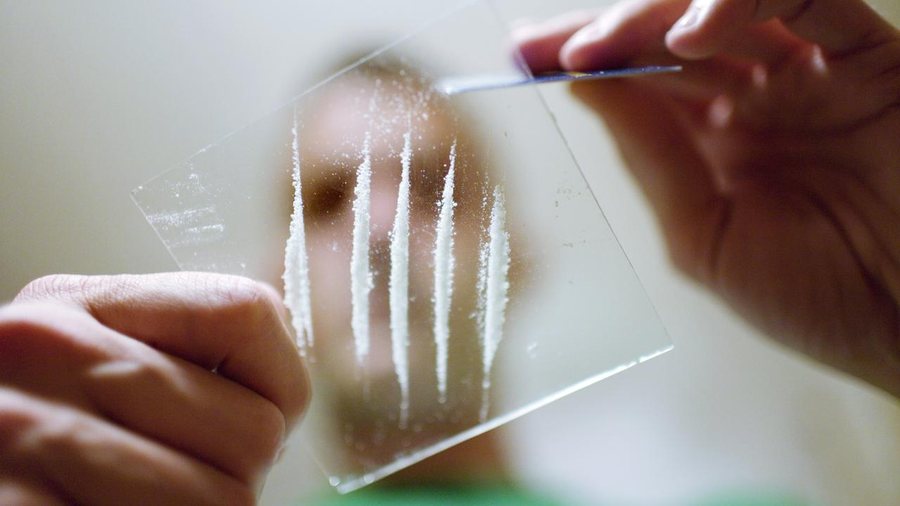
A network of new distributors and low-priced cocaine have strengthened the presence of Albanian criminal groups in southern Switzerland, while authorities warn of serious social and criminal consequences...
Relying on a network of new distributors and quality products at low prices, the Albanian mafia has conquered the cocaine market in Ticino. South of the Alps, this abundance of drugs is having devastating consequences and is being reflected in a significant increase in arrests. On April 29 in Capolago, a 24-year-old Albanian was arrested with 54 grams of cocaine. And this is just the latest in a long series of similar episodes.
In 2025, 122 people were arrested in Ticino for drug trafficking, compared to 78 in 2024 (+56%). Now, half of the prisoners in Ticino's prisons are detained for narcotics-related offenses.
A silent wave
The Albanian mafia has conquered the Ticino market thanks to a network of young distributors, the so-called “cavallini,” literally “little horses.” Often unemployed, these young people arrive from Albania in Italy by plane or train and then enter Ticino, usually in rented cars.
They stay in Switzerland for only a few months, long enough to distribute the drugs the organization gives them, in exchange for a monthly salary of 500 to 1,000 francs, which they spend or send to their families. The profits from trafficking, meanwhile, end up in the hands of the criminal organization.
"The 'Cavallini' are part of a network that has been created over time. It is a real criminal organization, very structured, you have to admit. They come and go. They stay here for a short time, just a few months. So, if the police arrest a distributor, they only arrest him," explains a long-term drug user, met in the Ciani park in Lugano, to the Swiss media " RSI ".
The rest relies on omerta, the rule of silence that characterizes the Albanian mafia. And the strategy is working.
"Today these distributors operate throughout the canton, up to the Locarno region, where we didn't see them a few years ago," explains Commissioner Paolo Lopa, head of the anti-drug section in the cantonal police.
The recipe for success
What is the secret?
"A cocaine of superior quality, with a purity of 60% to 80%, sold at relatively low prices," says Paolo Lopa, adding, "this is the law of the market. Today, no one is able to compete and offer a product of this quality at this price."
In Ticino, the Albanian mafia does not occupy neighborhoods or territories. It discreetly infiltrates customers' homes, exploiting their weaknesses and addictions.
"The rapprochement between the distributor and the person who will host him occurs in three stages," explains Marcello Cartolano, deputy director of Ingrado, the Ticino center for the treatment of alcoholism and other addictions. According to him, the sellers take advantage of the fragility and isolation of the people.
"Then they ask for shelter in exchange for free drugs. In the end, they create a relationship of total dependence on the substance."
It is often women who shelter distributors in their homes.
"For some people, having a young son at home also represents a form of emotional and social connection," Marcello Cartolano further emphasizes.
Dramatic consequences
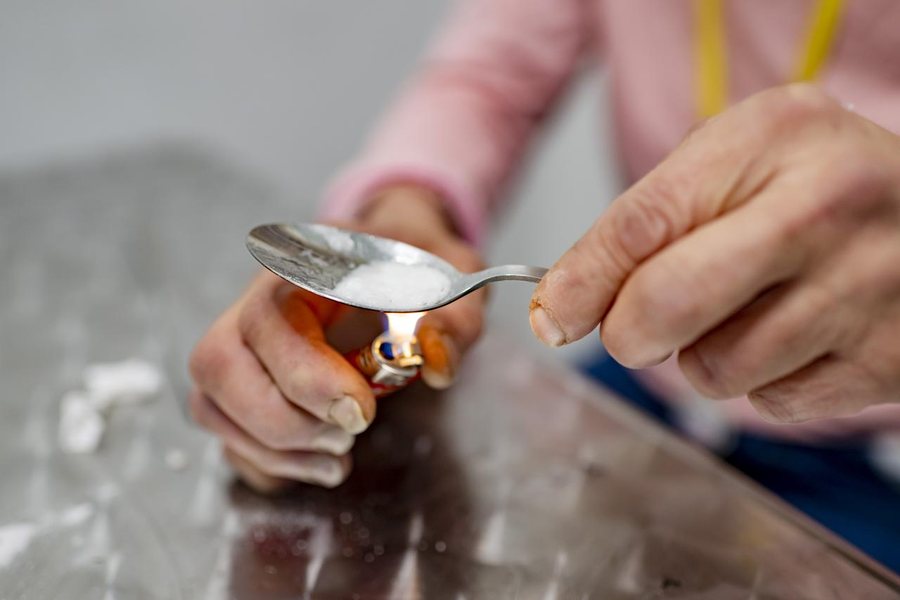
In Ticino, the large amount of cocaine has also led to an increase in the consumption of crack, a derivative of this drug.
Ingrado's 2025 report documents the phenomenon: the "Pipe crack" project, a harm reduction initiative, distributed 2,624 kits to 203 consumers, a 41% increase compared to the previous year.
"Smoke cocaine creates extremely rapid addiction," emphasizes Marcello Cartolano.
"After five to ten minutes, the effects wear off, but the person feels an uncontrollable urge to continue. This can lead to very unpredictable behavior, as well as sometimes violent aggression."
This could have dramatic consequences.
On the night between January 27 and 28 in Bellinzona, a young drug addict stabbed his 46-year-old mother to death and seriously injured her partner. An event that shocked public opinion.
"This is an alarm signal. People lose control and end up completely under the influence of the substance," warns Marcello Cartolano.
The phenomenon is even more difficult to combat because, for addicts, distributors are often not perceived as criminals, but as people who provide answers to existential gaps.
"Today they are Albanians. And fortunately they are here, even though these distributors are shameless. Because addictions exist, they have always existed. They do their business. If it's not them, it will be someone else. There is a shortage, there are people who suffer. Many think that this is not true, but in reality it is exactly so", the user says to the Swiss media. /Adapted Pamphlet /






Lini një Përgjigje