


 Shkruar nga Vincent Noce
Through his company Aristophil, Gérard Lhéritier convinced thousands of ordinary investors to buy shares in rare historical manuscripts, promising fabulous profits. His grand scheme, built on inflated valuations and unbridled luxury, ultimately collapsed in court as the largest pyramid scheme in French history...
It was Gérard Lhéritier's greatest success. The manuscript of "Les 120 Journées de Sodome" (The 120 Days of Sodom), the Marquis de Sade's novel about sexual debauchery, had long been considered lost to French heritage.
Sade wrote it in 1785 while imprisoned in the Bastille, in tiny letters on a 12-meter-long strip of paper. The scroll was hidden in his cell and survived the storming of the prison on July 14, 1789.
After a long history of thefts and betrayals between aristocrats and collectors, Lhéritier bought it for more than 6 million euros in 2014. But the reason for the purchase was purely business.
Through his company, Aristophil, he sold shares in portfolios of manuscripts and handwritten documents, promising a 40 percent return on investment after five years. Over a decade, the company raised €975 million in investments from ordinary people.
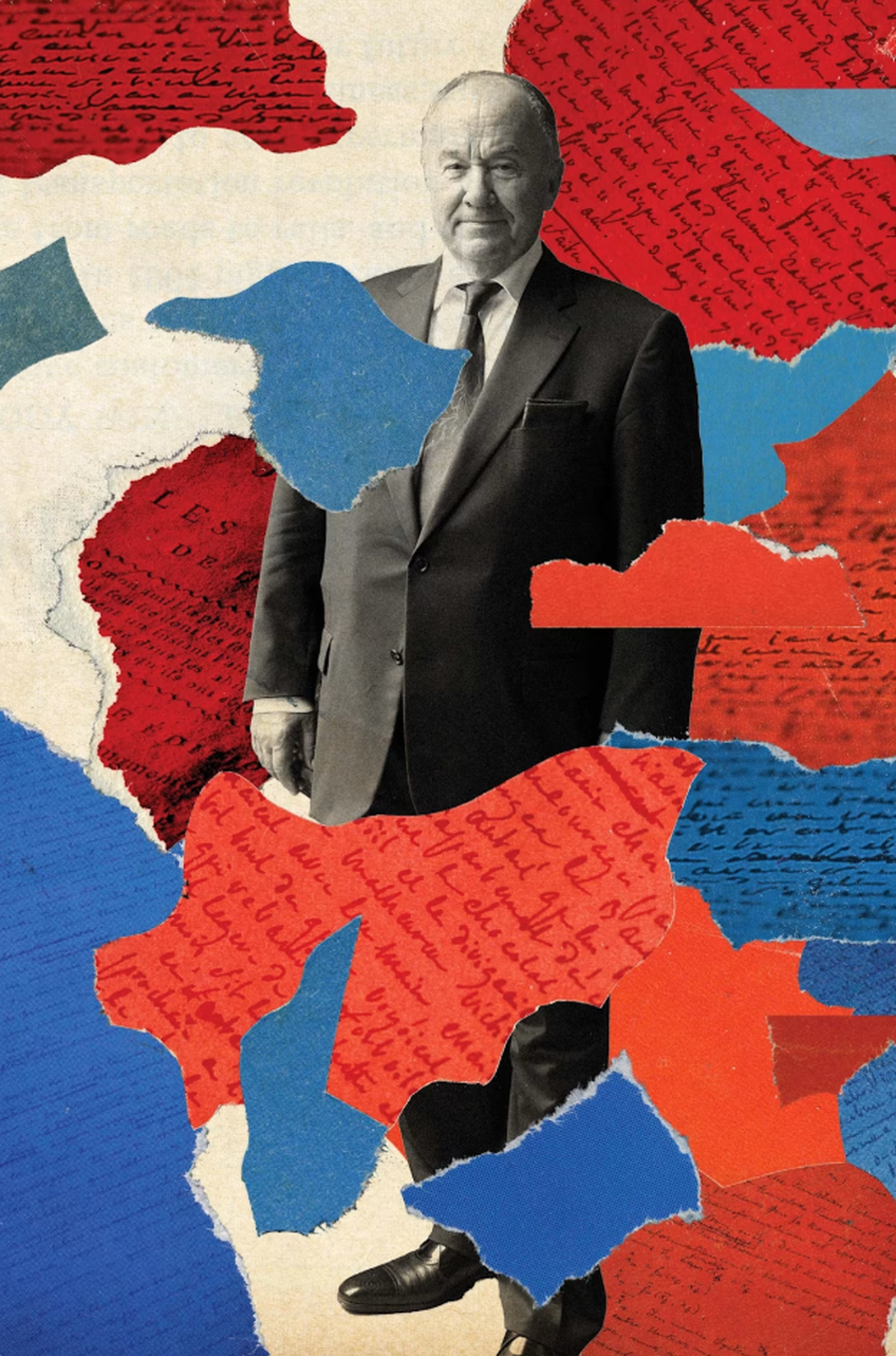
The portfolios were named after the most valuable purchases - Mozart, Newton, Zola, Flaubert, Proust, Charlotte Brontë... In Paris, he exhibited the scroll at the Museum of Letters and Manuscripts that he had founded himself and then sold it for 12.5 million euros, divided into 2,500 shares of 5,000 euros each.
His lavish exhibitions were attended by the elite and politicians, including former presidents Nicolas Sarkozy, François Hollande and Valéry Giscard d'Estaing. Lhéritier lived in great luxury, with a private jet, an 18-meter yacht on the Riviera and a horse racing team.
Winner magazine even put him on the cover, calling him the “King of Cards.” All this grand show served to impress customers, until one day the curtain fell.
Born in 1948, the son and grandson of plumbers, Lhéritier grew up in a village in Lorraine. After the army, he worked as an insurance agent and self-taught salesman. He failed in the diamond and postage stamp business in Monaco, where he was accused of embezzlement and given a suspended sentence. During that time, he discovered that historical letters, such as those sent by balloon during the siege of Paris (1870), had great value.
He was convinced that manuscripts by Balzac or Napoleon were undervalued and could bring in a 10 percent annual profit. In 2002, he bought 54 pages of research notes by Albert Einstein and Michele Besso for $560,000 in New York.
Duke i reklamuar si “themeli i teorisë së relativitetit”, Aristophil ua shiti ato 400 bashkëpronarëve për 12 milionë euro, duke premtuar t’i riblejë 5 vjet më vonë për 17 milionë euro. Tregu i vogël i dorëshkrimeve u çmend nga blerjet e tij të ethshme.
Midis viteve 2009-2014, ai bleu dokumente me vlerë 241 milionë euro, kryesisht nga tre tregtarë parizianë. Megjithatë, problemet filluan kur ai tentoi të rishiste shënimet e Ajnshtajnit në Zvicër për 24 milionë euro, duke kërkuar që vlera e tyre të arrinte 33.6 milionë euro pas 5 vitesh - një çmim i paprecedent që bllokoi qarkullimin e parave të kompanisë.
Autoritetet franceze nisën hetimet për “praktika mashtruese”. Në nëntor 2012, Lhéritier fitoi 170 milionë euro në lotarinë EuroMillions dhe investoi 40 milionë euro nga xhepi i tij për të mbajtur kompaninë në këmbë. Por ky lehtësim ishte i përkohshëm.
Në nëntor 2014, policia bastisi pronat e tij në Paris, Nisë, Gjenevë dhe Bruksel, duke sekuestruar mbi 80 milionë euro në llogari dhe 12 milionë euro në pasuri të paluajtshme. Në mars 2015, ai u akuzua për mashtrim të organizuar dhe pastrim parash. Gjyqi filloi më 8 shtator 2025 në gjykatën e re penale të Parisit.
Hetimi vërtetoi se Aristophil blinte dorëshkrime me vlera të fryra dhe ua shiste investitorëve me të paktën dyfishin e çmimit. Shumica e dokumenteve në portofola ishin pa vlerë reale. Kompania nuk nxirrte kurrë dorëshkrime në treg dhe fitimet ishin vetëm në letër.
Për të paguar investitorët e vjetër, duheshin gjetur vazhdimisht klientë të rinj, një metodë identike me skemën famëkeqe piramidale Ponzi të vitit 1919. Mbi 8.000 ish-klientë, kryesisht pensionistë që humbën kursimet e jetës, ngritën padi civile.
Investimi mesatar ishte 29.000 euro. Por pati raste tragjike, si një parukier që kreu vetëvrasje pasi humbi 1.7 milionë euro, apo një grua me aftësi të kufizuara që humbi të gjithë dëmshpërblimin e sigurimit prej 240.000 eurosh pas një aksideti që kishte pësuar.
Më 11 dhjetor 2025, gjykata e shpalli Lhéritier-in fajtor, duke e dënuar me 5 vjet burg dhe 375.000 euro gjobë. Gjykata dënoi gjithashtu bashkëpunëtorët e tij: kontabilistin Denis Potier, profesorin e ligjit Jean-Jacques Daigre që hartoi kontratat mashtruese, dhe noterin Jérôme Gautry që i vërtetoi ato.
Hetimi zbuloi se festat e Aristophil ishin një maskaradë ku paguheshin për të marrë pjesë shkrimtarë, aktorë dhe politikanë. Nicolas Sarkozy figuronte në libra se kishte marrë dorëshkrime me vlerë 24.500 euro, ndërsa artikulli lavdërues në revistën “Winner” ishte paguar 130.000 euro nga vetë kompania.
Pas bastisjes, Aristophil falimentoi dhe stoku i saj u likuidua. U deshën 55 ankande zyrtare gjatë 5 viteve në shtëpinë Drouot në Paris për të shitur 76.000 lotet e grumbulluara. Çmimet përfundimtare ishin shumë nën vlerën fillestare dhe investitorët arritën të rikuperonin mesatarisht vetëm tetë cent për çdo euro të investuar.
Some dealers profited by buying the manuscripts at ridiculous prices. In court, Lhéritier defended his system to the end, blaming the closure of bank accounts by the state and refusing to be compared to Bernard Madoff.
"Madoff's promises were based on air, while I was selling real cultural treasures!" he said.
Some investors lost everything when the state seized 4,000 lots (about 4 percent of the documents), such as Charles de Gaulle's drafts and Louis XVI's political will, declaring them inalienable public archives.
The story of the manuscript "120 Days of Sodom" perfectly fits the fate of its author. Written by a prisoner, it went through theft and fraud, to end up in the hands of a man who was going to prison himself.
However, at the last minute before his imprisonment earlier this month, Lhéritier negotiated a deal due to his age and health: his sentence was reduced to 3 years (one suspended and two under house arrest at his villa in Nice) and with the confiscation of 40 million euros.
Sade's manuscript was declared a national treasure, withdrawn from auction and purchased by the National Library of France for 4.55 million euros, where it will remain forever. / Pamphlet from "Financial Times"








Lini një Përgjigje