


 Shkruar nga Ilir Çumani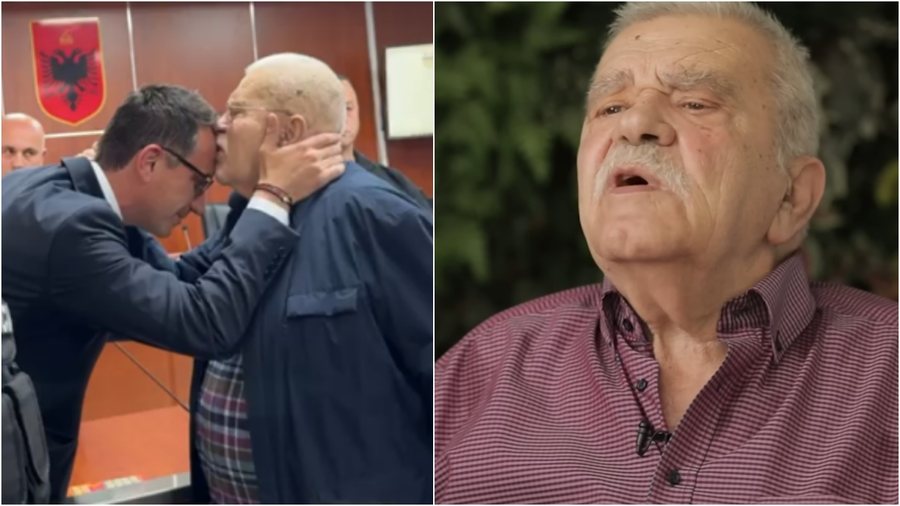
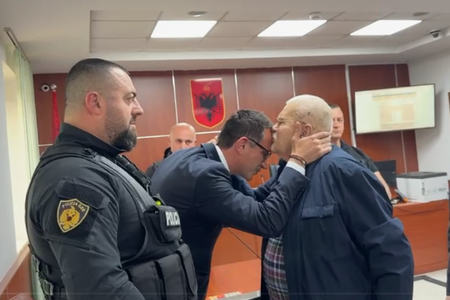
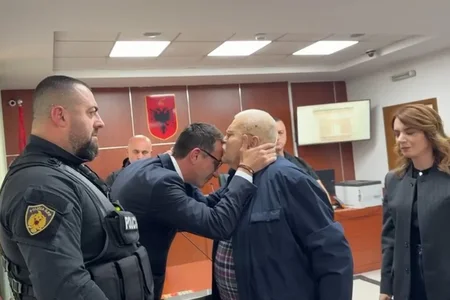
A great actor is not made small by a snapshot, nor by a human closeness to a politician, angel or tyrant, call him a sinner if you like.
There is something tragically provincial and incomprehensible at the same time in the way societies tired of politics begin to treat people of art.
Especially with those who for decades have been not just actors, but points of reference and part of a long journey between generations of a nation's emotional memory.
In civilized countries, great artists are preserved as priceless spiritual assets, as living archives of the collective conscience. With us, a gesture, a photograph, a feeling, or a sentence spoken outside the tribune of hatred is enough and the collective digital crowd rises up like an inquisitional court.
Let's be clear, all of this is not just about an actor of the caliber and artistic weight that Robert Ndrenika represents, nor is it just about politics.
Personally, I believe this is a symptom of a deeper social illness: our inability to separate the man from the conviction, the artist from the moment, the work from the political emotion of the day.
Unsafe societies, such as ours, always need temporary altars and public cremations.
Today you rise to heaven, tomorrow you are thrown to the stake like in the time of the Inquisition. This brutal rhythm of worship and lynching is born not from the moral strength of citizenship, but from its absence.
It is the psychology of the irritated crowd that no longer seeks to understand, but only to punish to the point of brutality.
And when punishment becomes a collective sport, then every public figure is transformed into "meat" for emotional consumption.
In Albania, this has now become almost a political culture.
After the '90s, we failed to build an ethic of public debate, but a strange, endless market of hatred. First in parliament, then on television and in the print media, and today on social networks.
The language of exclusion, humiliation, and moral annihilation became the dominant communication instrument.
Instead of democracy and the right to think differently educating us with the culture of pluralism, with the citizenship of debate and with the ethics of human coexistence, we often produced its opposite: a society divided into emotional camps, where political conviction gradually transformed not into thought, but into tribal identity.
Democracy, which was supposed to liberate the individual and teach them to respect others even when they disagree with them, was used as an arena of exclusion, where the opponent is no longer seen as a fellow citizen with a different idea, but as an enemy who must be defeated by any means, humiliated or publicly defamed.
Instead of a pluralistic culture of dialogue, a character duality full of social, moral, and psychological deformations was created in the individual.
Nga njëra anë lindi “fisnikëria” e rreme e militantit, si një maskë morale që flet në emër të parimeve, ndërsa ushqehet nga hipokrizia dhe urrejtja, servilizmi dhe nevoja për t’i përkitur turmës.
Nga ana tjetër u forcua brutaliteti anonim i masës, ai instinkt kolektiv që sulmon pa menduar, dënon pa gjykuar dhe përbalt pa ndjerë asnjë përgjegjësi njerëzore. Kështu, liria e fjalës, në shumë raste, nuk u kuptua si përgjegjësi qytetare, por si licencë për linçim publik.
Dalëngadalë, kjo klimë prodhoi një deformim më të thellë antropologjik: humbjen e aftësisë për të bashkëjetuar me mendimin ndryshe. Shoqëria nisi të mos e durojë më nuancën, qetësinë, arsyen apo kompleksitetin njerëzor.
Çdo gjë duhej të ndahej bardh e zi me ne ose kundër nesh. Dhe pikërisht aty filloi degradimi i vërtetë i kulturës demokratike, sepse demokracia nuk vdes vetëm nga autoritarizmi i pushtetit, por edhe nga barbaria i ndërgjegjes kolektive.
Kështu u krijua një fenomen i frikshëm, ku shqiptari nisi ta shohë shqiptarin jo si kundërshtar, por si armik moral që duhet delegjitimuar plotësisht.
Nuk mjafton më të mos jesh dakord me dikë, por me çdo kusht e mjet duhet ta zhvlerësosh, ta përbaltësh, ta zhveshësh nga dinjiteti publik. Dhe kur kjo logjikë prek artin, shoqëria hyn në një fazë dekadence kulturore.
Ngase arti nuk mund të matet me militantizëm, as me sinoret e partive, partiçkave apo lëvizjeve të çfarëdolloji.
Një aktor i madh nuk bëhet i vogël nga një fotografi e çastit, as nga një afërsi njerëzore me një politikan, engjëll apo zullumqar, quaje edhe mëkatar po të duash.
Vepra e një artisti nuk zhbëhet nga emocionet e ditës, ngase kujtesa artistike e një kombi nuk mund të rishkruhet sipas nervozizmit dhe epsheve frenetike e irracionale që vërshojnë pa fre në rrjetet sociale.
Përndryshe do të na duhej të digjnim bibliotekat, tempujt e dijes, të mbulonim pikturat dhe të ndalonim filmat sa herë që autori nuk përputhet me moralin politik të momentit.
Mirëpo, problemi ynë nuk qëndron vetëm tek intoleranca politike. Kriza është më e thellë dhe më shqetësuese, ngase kemi filluar të humbasim aftësinë për të vlerësuar madhështinë, për të respektuar vlerat që na janë përcjellë brez pas brezi dhe për të mbrojtur atë që duhet të ishte e shenjtë dhe e pacenueshme në vetëdijen e një kombi kujtesën, identitetin dhe përkatësinë tonë shpirtërore e kulturore.
Dalëngadalë po zbehet respekti ndaj figurave, veprave dhe trashëgimisë që kanë formuar ndërgjegjen kolektive të kësaj shoqërie.
Dhe kjo është shenjë e një lodhjeje morale të rrezikshme, sepse një popull që nuk di të nderojë vlerat e veta, nis pa e kuptuar të zhvlerësojë edhe vetveten.
Kur rrëzohet respekti për autoritetin moral, për artin, për dijen dhe për kontributin njerëzor, atëherë në hapësirën publike fillojnë të triumfojnë zhurma, cinizmi dhe brutaliteti.
Societies do not just lose territory or well-being; they lose above all their spiritual compass. And the most dangerous moment for a nation is when it begins to undo and mock what it once considered sacred, to doubt the values that have kept it alive, and to attack the figures who represent its historical, artistic, and human memory.
In fact, it happens that small societies often have difficulty accepting the stature of large figures.
They feel more comfortable tearing down than admiring, because admiration requires culture, while tearing down only requires anger. This is why cynicism, the blindness of hatred and revenge, is increasingly triumphing in our public spaces. The hero is replaced by mockery and moral authority by irony. Dignity by noise.
In this climate, social networks no longer function as spaces for communication, but as mechanisms for public punishment. What is sought there is not truth, but the stillness and noise of spectacle and destruction. The anonymous crowd has no interest in nuance, nor in context. It seeks a victim. And the ideal victim is always someone with a name, a history, and symbolic weight.
Essentially, this is a crisis of civilization. A society that loses the ability to respect its cultural figures slowly begins to lose itself and its memory. And when a nation comes into conflict with memory, it becomes manipulative, irritable, and spiritually impoverished.
Perhaps the biggest problem of our time is not political hatred, but the fact that we are getting used to it, to the foul language, to the culture of lynching, to the verbal violence that is presented as public morality.
And this is much more dangerous than an ordinary political debate, because it gradually deforms human sensitivity itself.
The potential of a nation is not measured only by the economy or elections, but also by how a society treats the people who have given face to its soul.
Sorry for those who don't understand me even through these lines...


Lini një Përgjigje