


 Shkruar nga Pamfleti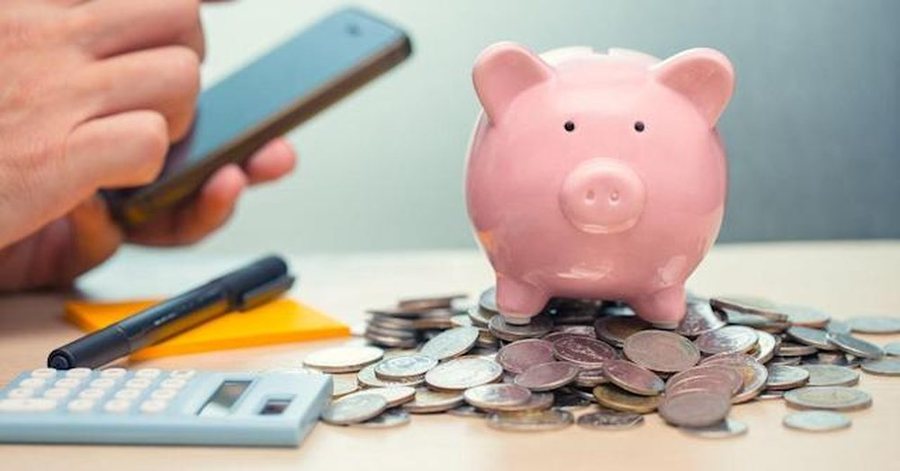
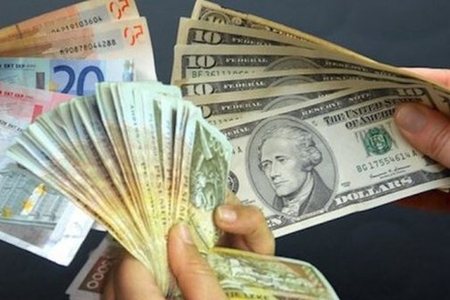
Poor, but with savings in banks. At a time when nearly 42 percent of the population has less than 550 lek in their pockets to spend per day, bank deposits have reached their highest levels since the 1990s.
At the end of August, money saved reached over 1.43 trillion lek, 30.7 billion lek or 2.2 percent more than in June of the previous year.
Leons Hasani, an economic expert, says: "In recent years, we have had an increase in wages, but also in remittances. This has brought about this situation. Meanwhile, we also have inflation. The incomes of families in the north of the country, who expect more remittances from emigrants, are mainly being devalued. It is different in Korça or Durrës."
Data from the Central Bank shows that despite the depreciation, the euro is the main currency in which Albanians keep their savings. In 11 second-tier banks at the end of June, there were over 8.2 billion euros saved.
Xhonsila Hoxha, an economic expert, emphasizes that "This comes because there are many young people, especially those who have their income in euros. They are the ones who have the greatest ability to save and who work in foreign companies."
But the situation does not entirely match what Albanians say.
"I work and eat, I have no savings. We don't have the means to save. Saving today and tomorrow, we have nothing to do. We are in this country. We can't go outside the framework. We don't have a budget to save. We can't ," the citizens tell "A2 CNN".
Data from the Bank of Albania show that at the end of June, the stock of deposits in the national currency was slightly more than 671 billion lek. Compared to July, savings in lek have expanded by 0.9 percent.



Lini një Përgjigje