


 Shkruar nga Pamfleti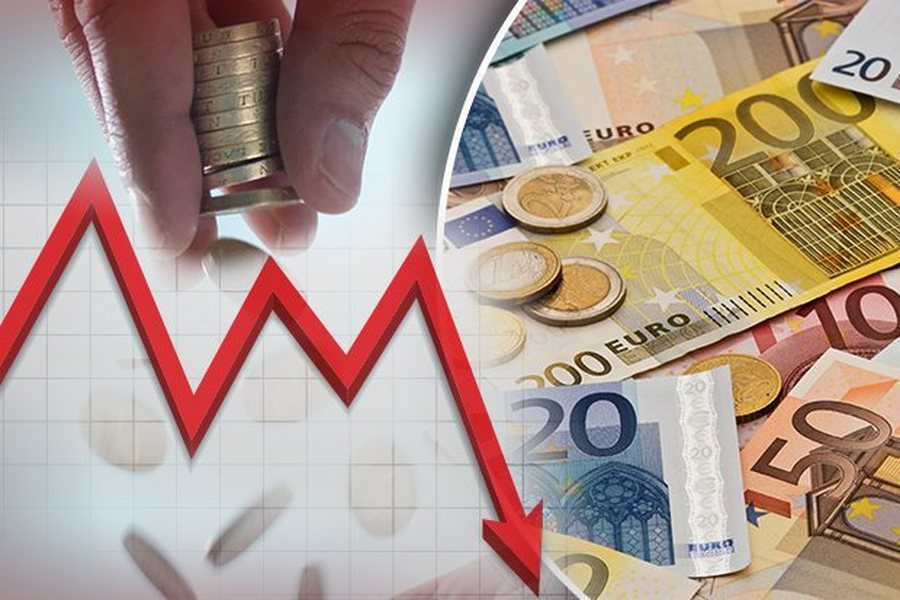
Difficult days are being recorded for Albanians who rely on remittances, for those who keep their savings in foreign currency or have their income in foreign currency, as well as for exporters. The summer is making the euro and the dollar cheaper against the Albanian lek.
This Thursday the euro touched a new historical minimum. According to the official exchange rate of the Bank of Albania, one euro this Thursday was exchanged for an average of 97.6 lekë, depreciating by almost 1% compared to the beginning of the month. Meanwhile, the new reality of the US dollar is fixed at 84 lekë.
If we compare the euro-lek exchange rate with the same period a year ago, it results that the European currency has weakened by more than 3%, since last July one euro cost 100 lek.
This continued depreciation of the euro should have been reflected in lower prices for imported products from fuels to food, but due to abuses this is not reflected in the country. In June, inflation hit its highest level in 16 months, which shows that prices are entering another phase of growth.
While within a decade, the European currency has depreciated by almost 43% against the lek, from 140 lek to one euro in 2014 to 97 lek currently.
The biggest losers from the euro's contraction are exporters who have expenses in lek and income in euros, and when they make the exchange, the value is significantly reduced.
Families that receive remittances also lose out, as they receive less lek this year for the same remittance that emigrants sent them last year. If last year they received 100 thousand lek for a 1,000 euro remittance, this July this exchange rate has dropped to 97 thousand lek. The loss is the same for those individuals whose income is in foreign currency.
Likewise, the state budget loses, earning less money from imports, since due to the depreciation of the euro, less money is collected from VAT at customs and from excise duties.
While the positive effects of this devaluation have been felt mainly in the reduction of foreign currency debt, as its repayment installments have become cheaper. Importers also benefit, as they buy in euros and sell in lek.
State institutions say that currencies are weakening due to tourism and foreign investments that have brought a large influx of euros or dollars into the market. Experts say that informal money is also significantly affecting this devaluation of foreign currencies./ Shqiptarja.com



Lini një Përgjigje