


 Shkruar nga Pamfleti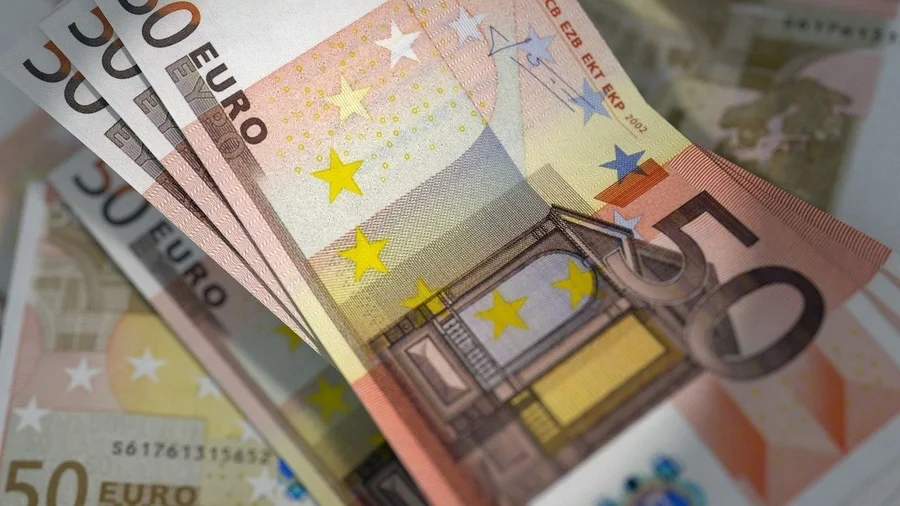
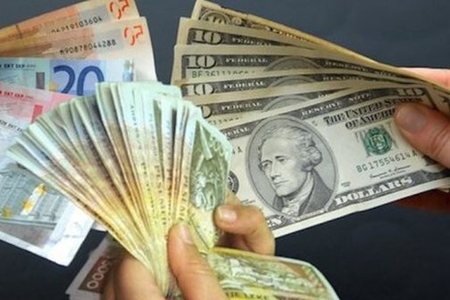
Earlier this week, the European single currency hit another historic low, falling below 97 lekë.
According to economic expert Adrian Civici, we need to get used to this new order of the euro exchange rate.
"During the first six months, over 2.1 billion euros were revenues from tourism, the main reason for the increase in this value. If we add the months of July and August here, this figure becomes even higher. Precisely, this is the main reason why it is under this constant pressure to be undervalued in relation to the lek. The interval with which we have to get used to is 1 euro, 98 or 100 lek", said Adrian Civici, an economic expert.
The fall of the euro and the strengthening of the lek have both positive and negative sides in the economy.
"The beneficiaries are primarily importers, who have the euro free to buy. While those who lose are Albanian exporters who have lower incomes compared to the eurozone markets, where we have the largest share of trade. The strengthening of the lek and the decline of the euro indirectly affect, as a statistical effect, the monetary balance for the mass of public debt or other government expenditures and obligations," the expert added.
Meanwhile, the most affected are families that rely on remittances.
"The losers are those who have deposits in euros. A large part of families whose main source of consumption is remittances, of course their purchasing power is lower. On the other hand, those who have loans in euros and their main income is in lek benefit, their loans become cheaper," said Civici.
To normalize the foreign exchange market, the Bank of Albania has intervened several times by buying euros in the market. Through auctions alone, the aim is to purchase 350 million euros. The Central Bank plans that by the end of the year, foreign exchange reserves will reach 7.3 billion euros.



Lini një Përgjigje