


 Shkruar nga Pamfleti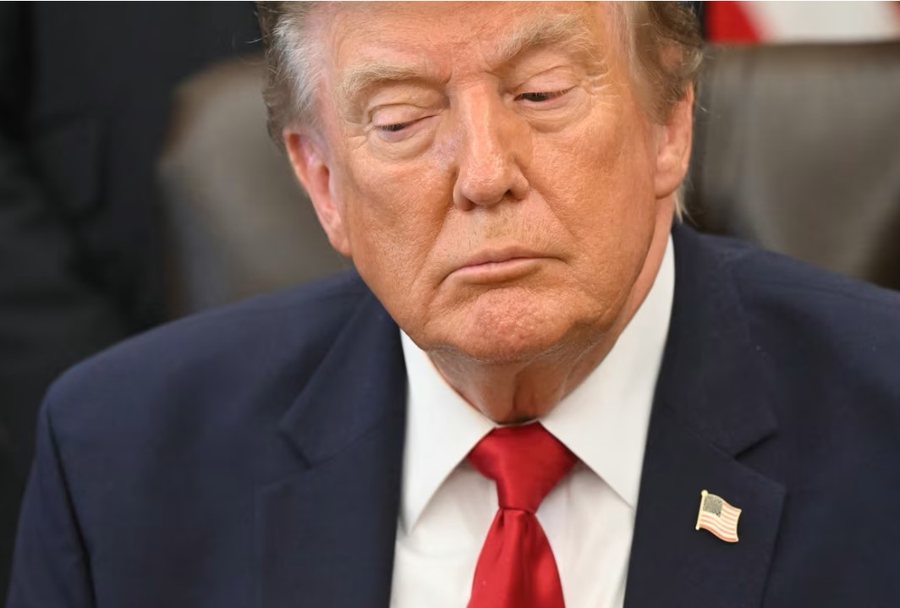
The US president accuses Tehran of violating the agreement, while Iran responds with irony and defends its interpretation of the memorandum. The latest developments raise questions about Washington's strategy and the possibility of ending the conflict.
Iran appears to be using the same negotiating tactic against Donald Trump that the American president has often used on the international stage.
Trump complained on Monday that the Islamic Republic cannot be trusted to abide by the agreements, criticizing Iranian leaders for behavior he himself has repeatedly displayed throughout his political career.
"It was a done deal and then they broke it. They always break deals," he told Fox News, referring to the memorandum of understanding that had temporarily halted the war.
Trump did not seem to appreciate the irony of his statement, given that he himself has withdrawn from several international agreements, including the Paris Climate Agreement, twice. Some critics link the current situation to his decision in his first term to withdraw from the Obama administration's deal, which placed restrictions on Iran's nuclear program.
Later in the day, an exasperated Trump promised to impose tariffs on ships passing through the Strait of Hormuz. Iran immediately responded with an ironic offer, claiming it could offer a more favorable price.
"The US president is absolutely right," Iranian Foreign Minister Abbas Araghchi wrote on the social network X, arguing that Trump himself had legitimized Tehran's stance on charging for passage through this strategic sea route.
He added ironically: "20% is, of course, a lot. We will be fair."
Trump is facing the fact that Iran is a strong negotiator and has its own interpretation of what the memorandum contains. Meanwhile, the US president has yet to clearly explain to the American public why he decided to restart a war he had repeatedly declared he had won.
Just weeks after declaring that the memorandum he had signed would permanently end Iran's nuclear program and bring peace to the Middle East "for the first time in 3,000 years," Trump changed his tune.
On Hugh Hewitt's radio show on Monday, he said the deal was just "a test" that Iran failed and that it "didn't really matter."
Në të kaluarën, mbështetësit e Trump kanë argumentuar se kontradiktat e tij janë pjesë e një strategjie të sofistikuar diplomatike. Megjithatë, situata aktuale sugjeron se ai ndodhet, në rastin më të mirë, në një ngërç.
Trump nuk mund ta ndryshojë realitetin e luftës
Memorandumi u rrëzua sepse Irani veproi për të mbrojtur atë që e konsideron suksesin e tij më të madh në konflikt: kontrollin efektiv mbi Ngushticën e Hormuzit.
Kjo nxori në pah një realitet të vështirë për Shtetet e Bashkuara. Pavarësisht kërcënimeve dhe fuqisë ushtarake amerikane, Teherani vazhdon të ndikojë në dinamikën e përplasjes.
Ekuacioni që ka përcaktuar konfliktin mbetet i pandryshuar: Republika Islamike po përdor pozicionin e saj gjeografik dhe një vlerësim realist të kufizimeve të veta për të sfiduar një superfuqi.
Përplasja e re lindi pjesërisht si rezultat i nxitimit të administratës amerikane për të negociuar një memorandum me formulime të paqarta.
Ekipi negociator i Trump, i udhëhequr nga zëvendëspresidenti JD Vance dhe me përvojë kryesisht në sektorin e pasurive të paluajtshme, duket se nuk arriti të kuptonte atë që shumë njohës të historisë dhe diplomacisë e vunë re menjëherë: se Irani do ta përdorte tekstin e marrëveshjes për të fituar avantazh të ri.
Për shembull, marrëveshja kërkonte që Teherani të "marrë masa" për garantimin e kalimit të lirë dhe të sigurt të anijeve tregtare nëpër Ngushticën e Hormuzit për 60 ditë. Gjithashtu, Irani duhej të bashkëpunonte me Omanin për të "përcaktuar administrimin e ardhshëm dhe shërbimet detare" në këtë korridor strategjik.
Në pamje të parë, kjo i jepte SHBA-së atë që kërkonte: funksionimin normal të ngushticës.
Megjithatë, Irani duket se e interpreton këtë formulim si një konfirmim se ai do të ushtrojë kontroll mbi këtë rrugë ujore edhe pas një marrëveshjeje të përhershme.
Për këtë arsye, nuk është për t'u habitur që Teherani po përpiqet të formësojë statusin e ri në terren.
Ky gabim pasoi një tjetër vlerësim të pasaktë nga administrata amerikane: mosparashikimin se Irani do ta mbyllte Ngushticën e Hormuzit.
Fakti që kjo çështje mbetet ende e pazgjidhur një muaj pas nënshkrimit të memorandumit tregon se afati prej 60 ditësh për arritjen e një marrëveshjeje të plotë, përfshirë programin bërthamor iranian, ishte tepër optimist.
Pikëpyetje mbi strategjinë amerikane
Vështirësitë e administratës për të detyruar Iranin të ndryshojë sjellje shtojnë dyshimet mbi vendimin e Trump për t'u rikthyer në konflikt.
Lind pyetja nëse sulmet ndaj objektivave iraniane dhe rikthimi i bllokadës detare amerikane do të kenë më shumë sukses në ndryshimin e llogaritjeve strategjike të udhëheqjes së re iraniane sesa në të kaluarën.
Në fund të fundit, Iranit iu deshën vetëm disa raketa dhe dronë për të bllokuar sërish Ngushticën e Hormuzit.
Një tjetër pyetje lidhet me kostot ekonomike në rritje.
Oil and diesel futures rose sharply on Monday, raising doubts about whether Trump will be forced to back down again to avoid the political and economic consequences that he himself admitted last month he did not want to face.
Why a full-scale war can be avoided
One reason for optimism is that the new clashes may indicate that both the US and Iran are trying to impose their own interpretation of the memorandum, with the aim of creating the basis for future negotiations.
Trump, for example, has given no indication that he is willing to incur a large number of American casualties through an invasion of Kharg Island, the main hub of Iranian oil exports, which would be one way to impose American military superiority.
Other American presidents, such as Lyndon Johnson and George W. Bush, chose to escalate the war even when it seemed to have reached a stalemate.
Unlike his ally, Russian President Vladimir Putin, Trump has not responded to the loss of strategic prestige with an all-out war against civilians.
However, a tragedy occurred in the early stages of the conflict, when an American strike mistakenly hit an Iranian school, killing, according to Iranian authorities, 168 children and 14 teachers.
The full number of civilian casualties still remains unclear.
On the other hand, Trump has not carried out previous threats to strike bridges, power plants, or other critical infrastructure, actions that would have severe consequences for the civilian population.
Iran has also maintained a limit on escalating the conflict, limiting its responses to American bases in the region and Gulf Arab countries.
Developments on the ground also show that the conflict is currently in a phase of controlled tension and not an uncontrolled war.
"I think there is still room for diplomacy, despite the expansion of US attacks on Iran and Iranian responses," Danny Citrinowicz, senior fellow in the Iran and Shiite Axis Program at the Israel Institute for National Security Studies, said in an interview with CNN.
He also warned that the situation could easily spiral out of control.
"When you have attacks and counterattacks every day and every night, it becomes very difficult to maintain the boundaries of the game," he said.
However, even if the conflict remains below the level of a full-scale war, Trump continues to face a fundamental question that he has failed to answer for months:
How will he manage to end this war?/ Adapted from "Pamphlet", from "CNN"


Lini një Përgjigje