


 Shkruar nga Sulltan Barakat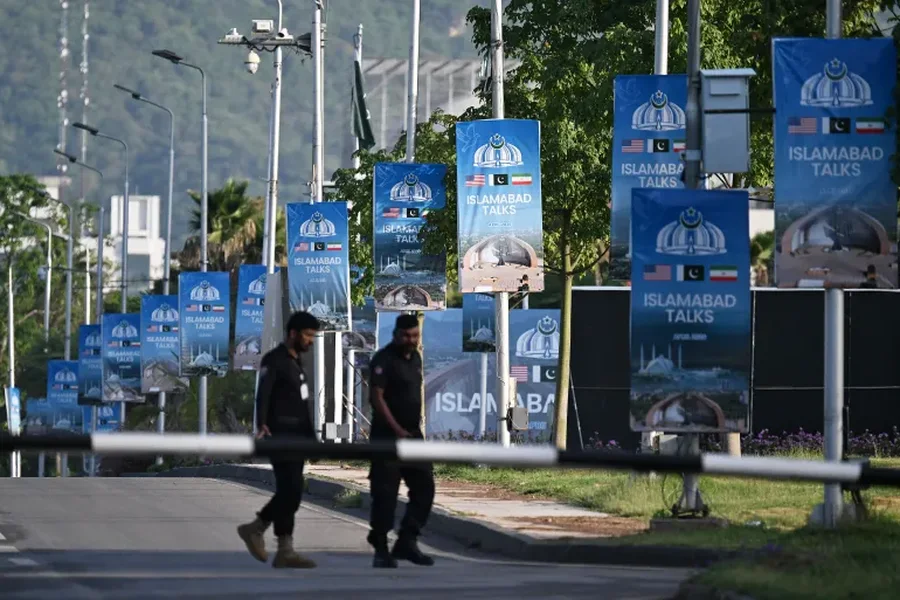
The future of diplomacy between the US and Iran depends on providing the necessary support to trusted mediators to make agreements implemented...
The Memorandum of Understanding (MoU) between the United States and Iran, signed on June 17, briefly seemed to have achieved what weeks of military confrontation had failed to achieve. It extended the ceasefire, reopened a path back to negotiations, and offered the prospect of restoring stability to one of the world’s most strategically important regions. Early signs were encouraging. Commercial shipping through the Strait of Hormuz, which carries about a fifth of global oil trade, began to recover. Oil flows increased sharply, while Iranian exports more than doubled from their wartime lows due to a temporary lifting of sanctions. Some 340 commercial ships passed through the Strait during the week of June 22-28, making it the busiest period since hostilities began on February 28. For a brief moment, diplomacy seemed to be succeeding.
Yet within weeks, ships were disappearing from the strait again, military exchanges had resumed, and mediators were seeking another temporary ceasefire, simply to salvage the initial agreement. What seemed like a diplomatic breakthrough quickly turned into another fragile truce. Its rapid unraveling exposed the missing half of the mediation process: the parties had agreed on a political text but not on the mechanisms needed to implement it, while the states that brokered the agreement lacked the necessary leverage to enforce it.
Part of the problem was that the signing of the agreement was treated as the culmination of the mediation rather than the beginning of its most difficult phase. The United States and the mediators seemed to be focused on securing a political text acceptable to both sides. Success was measured by signatures and public statements, with little attention paid to the challenges that inevitably arise once governments, militaries, regulators, banks, insurers, shipping companies, and regional allies begin to put an agreement into practice. Issues of interpretation, sequencing, verification, dispute resolution, and confidence-building were largely postponed rather than resolved.
Like many ceasefire agreements, the June Memorandum of Understanding relied heavily on constructive ambiguity. Understandably so. Both Washington and Tehran needed enough political flexibility to present the agreement as a victory to domestic audiences while leaving difficult issues unresolved. Such ambiguity can allow diplomacy to move forward when full agreement is impossible.
But ambiguity is only useful when there are clear mechanisms to manage what remains unresolved. Otherwise, disputes simply migrate from the negotiating table to the implementation phase, where trust is lower and the political costs of failure are significantly higher. The Memorandum of Understanding referred to maintaining a nuclear “status quo” without specifying which activities were permitted or prohibited. It envisaged sanctions relief without specifying which restrictions would be lifted, under which legal authority, or within what timeframe. It also referred to frozen Iranian assets without specifying how these funds would be released, controlled, or monitored. Public discussion suggested that approximately $12 billion could eventually be made available, but disagreements quickly emerged over whether the funds would remain in supervised escrow accounts or fall under unrestricted Iranian control.
The same weakness was evident in the maritime provisions. The agreement required Iran to “make arrangements using its best efforts for the safe passage of merchant ships” and to engage in dialogue with the Sultanate of Oman to determine the future administration and maritime services of the Strait of Hormuz “in accordance with applicable international law and the sovereign rights of the coastal states of the Strait of Hormuz.” However, it did not create an agreed framework governing navigation, maritime safety, inspection procedures, routing arrangements, or dispute resolution. The language also allowed Tehran to interpret the agreement as recognition of a future role in managing the strait.
Trade initially recovered as markets responded positively to the ceasefire announcement. However, confidence remained fragile because the institutional arrangements needed to support normal shipping were never agreed. Although Washington pledged a 60-day temporary waiver of sanctions covering limited oil sales, banking, insurance and shipping activities, many insurers, refiners and shipping companies remained cautious. A two-month legal window was simply too short to justify the resumption of long-term trade relationships worth billions of dollars.
Irani padyshim përfitoi nga kjo lehtësim. Gjatë periudhës së heqjes dorë, vlerësohet se ka eksportuar rreth 70 milionë fuçi naftë, me vlerë afërsisht 5-6 miliardë dollarë. Megjithatë, nafta e ngarkuar në cisterna nuk përkthehet domosdoshmërisht në fonde të pakufizuara që arrijnë në Teheran. Pasiguria mbi sanksionet, marrëveshjet e depozitimit dhe procedurat bankare penguan rimëkëmbjen tregtare të sillte lehtësimin domethënës ekonomik të parashikuar sipas marrëveshjes.
Armëpushimi u dha gjithashtu të dyja palëve kohë për t'u përgatitur për mundësinë që diplomacia të dështojë. Shtetet e Bashkuara rimbushën rezervat ushtarake dhe ripozicionuan asetet rajonale, ndërsa Irani e përdori pauzën për të menaxhuar një tranzicion delikat politik dhe për të projektuar vazhdimësi përmes funeralit të udhëheqësit suprem. Ndërmjetësuesit shpresonin se koha do të gjeneronte përparim politik. Në vend të kësaj, të dyja palët e përdorën atë për të forcuar pozicionet e tyre nëse negociatat dështonin. Episodi është një kujtesë se zbatimi nuk është thjesht një ushtrim administrativ që vjen pas diplomacisë së suksesshme; është diplomaci me mjete të tjera. Çdo mosmarrëveshje mbi renditjen, sanksionet, verifikimin, pajtueshmërinë ose interpretimin kërkon ndërmjetësim të vazhdueshëm nëse një marrëveshje do të zgjasë.
Dështimet në zbatimin e Memorandumit të Mirëkuptimit nuk ishin thjesht rezultat i hartimit të dobët. Ato pasqyruan një dobësi më të thellë në procesin e ndërmjetësimit: shtetet që siguruan marrëveshjen kishin besim të mjaftueshëm për të bashkuar palët, por jo ndikim të mjaftueshëm për t'i detyruar ato të zgjidhnin mosmarrëveshjet ose të respektonin angazhimet e tyre sapo të fillonte zbatimi.
Një zhvillim inkurajues është se përpjekja e ndërmjetësimit është zgjeruar. Ajo që filloi kryesisht si një iniciativë pakistaneze është zhvilluar në një koalicion më të gjerë diplomatik, me Katarin, Egjiptin dhe partnerë të tjerë rajonalë që mbështesin përpjekjet për të rivendosur armëpushimin dhe për të ringjallur negociatat. Ky zgjerim përhap barrën e konsiderueshme politike, financiare dhe logjistike të ndërmjetësimit, zgjeron aksesin diplomatik për palët e interesuara rajonale, duke përfshirë Izraelin, Hezbollahun dhe të tjerët, dhe e bën procesin më elastik nëse ndonjë kanal i vetëm bllokohet. Megjithatë, vetëm zgjerimi nuk ka gjasa ta zgjidhë problemin që ka dalë në pah. Ndërmjetësit shtesë kanë shumë të përbashkëta: ata janë bashkëbisedues të besuar me marrëdhënie të forta rajonale, por kanë ndikim të kufizuar mbi llogaritjet strategjike të Uashingtonit dhe Teheranit. Ata mund të lehtësojnë dialogun, të zvogëlojnë keqkuptimet dhe të mbështesin negociatat. Ata nuk mund të garantojnë zbatimin e tyre vetë.
The latest proposals illustrate this point. The mediators are discussing the reopening of an “Iran-approved” northern sea route, currently affected by a US naval blockade, along with a US-backed southern route where ships have faced Iranian attacks. They are also exploring possible agreements on transit fees, either through a jointly managed fund or through a mechanism that allows Iran to collect fees related to maritime security and environmental services. Such agreements could help revive the Memorandum of Understanding, but on their own are unlikely to secure a lasting ceasefire, restore confidence in commercial shipping, or support meaningful sanctions relief.
Sustainable implementation requires a different form of international support. As negotiations move from agreeing principles to implementing obligations, stronger external guarantors become increasingly important. Great powers with considerable economic, political, and strategic influence can provide incentives, assurance, and, when necessary, pressure that smaller intermediary states cannot easily mobilize. Their involvement need not replace existing intermediaries, whose credibility and relationships remain indispensable. Rather, it should complement their efforts by providing the leverage needed to support implementation and reassure the parties that commitments will be reciprocated.
The challenge for the next phase of diplomacy is not simply to expand the circle of mediators, but to diversify its composition. Trusted regional mediators may be able to bring Washington and Tehran to the negotiating table. But without guarantors capable of supporting implementation and imposing costs for non-compliance, any new agreement risks the same fate as the June Memorandum of Understanding: signed with optimism, briefly observed, and swiftly canceled. / Adapted from "Pamphlet" by "Aljazeera"





Lini një Përgjigje