


 Shkruar nga Michael Kimmage & Hanna Notte
Russia once seemed stable and powerful, but the invasion of Ukraine has plunged it into isolation and dependence on China. Meanwhile, Trump is using global chaos to strengthen American influence, leaving Putin increasingly weakened and obsessed with endless war…
On the eve of its invasion of Ukraine in 2022, Russia enjoyed an enviable position on the international stage. It had a strong partnership with China, extensive economic ties with Europe, and a working, if strained, relationship with the United States.
It did not dominate many countries (except Belarus), but it had few open enemies and exerted influence beyond its borders. Rather than a rising or declining power, Russia seemed stable and unchanging.
Everything changed with the invasion of Ukraine. Europe and the US immediately turned into Moscow's adversaries, while the Kremlin lost diplomatic influence in Europe and became extremely dependent on China.
The war has absorbed most of Russia's military capacity, making it difficult to control events in other regions. As a result, Russia has remained a mere observer as its allies, such as Bashar al-Assad in Syria or Nicolás Maduro in Venezuela, have weakened.
Even the war itself has not gone according to plan. After four years of fighting, Ukraine still controls 80 percent of its territory. Moscow, however, is not ready to accept defeat. If US President Donald Trump fails to persuade Putin to stop the war - a nearly impossible scenario - Russia is likely to intensify its efforts to subjugate Ukraine. Putin feels the need to hold the front line somewhere, seeing the war as a means of maintaining his authority. The humanitarian catastrophe for Ukraine, deprived of energy in the middle of winter, could worsen further.
Vladimir Putin has long overestimated Russia's power. Since 2014, when he invaded Crimea and the Donbass, he has eradicated any pro-Russian sentiment in Ukraine and pushed Kiev towards the West. So he has done exactly what he wanted to prevent.
In 2022, these limitations became even more apparent. Russian forces failed to take control of major cities and were forced to retreat, becoming trapped in a devastating battle. The Ukrainian resistance forced Russia to adjust its foreign policy.
To circumvent sanctions, Moscow created a “shadow fleet” to sell its oil, while relying on China for industrial goods. Strategically, the Kremlin hoped to lead the “Global South” alongside Beijing, exploiting post-colonial sentiments.
In the Middle East, Russia abandoned neutrality, moving closer to Iran and hosting representatives of Hamas and the Houthi rebels in Moscow. But these moves masked
a bitter reality: Russia has lost the ability to defend its interests.
In 2023, it stood by as Azerbaijan seized Nagorno-Karabakh from its traditional ally Armenia. Similarly, Moscow remained a mere spectator as Israel weakened Hezbollah and Iran, or as rebels toppled the Assad dynasty in Syria.
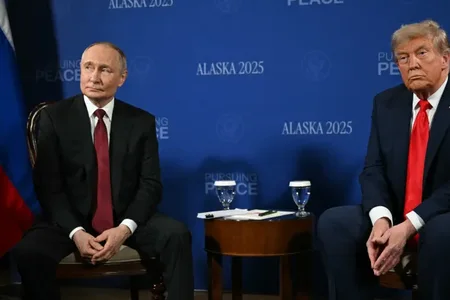
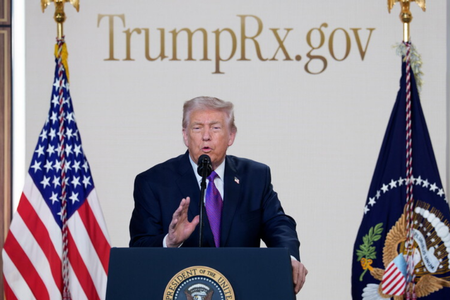
In 2024, the Kremlin celebrated Trump's re-election as US president, hoping that his disregard for international law would benefit it. But the opposite happened.
Last summer, the US joined Israel in striking Iran's nuclear infrastructure, while in January of this year, Trump ousted Maduro from power in Venezuela in a swift military operation that Putin could only envy.
Despite the rhetoric, Trump has not completely abandoned Kiev. Trump has also intervened in Russia's "courtyard," becoming a mediator in the Caucasus and courting Central Asian leaders.
He has invited Russia to the “Peace Board,” but without granting it special status, and expecting Putin to submit to his leadership. Meanwhile, Europe has increased support for Ukraine, while NATO remains functional. This year could bring even more challenges for Moscow.
Putin has become obsessed with Ukraine. Although he has made some territorial gains, he is far from victory, and peace talks have failed. He has reoriented the entire economy to this war, seeing the outcome as the ultimate test of his presidency.
Last month, Russia launched a medium-range ballistic missile near the Polish border, violating long-standing treaties and signaling an escalation. The war in Ukraine is entering a dangerous phase.
In retaliation for Trump’s seizure of Russian ships, Europe is hitting the “shadow fleet.” Russia could respond by attacking supply routes in Eastern Europe or American satellites.
Putin aims to make Ukraine uninhabitable by financially burdening his supporters. However, Western leaders should not rush to a premature end to the conflict.
They should remember the power they wield: Russia is not invincible. It is simply one of many countries disadvantaged by the anarchic world order that Trump has created in his second term./ Adapted from "Pamphlet" From "Foreign Affairs"
Note: Michael Kimmage is director of the Kennan Institute and author of “Clashes: The Origins of the War in Ukraine and the New Global Instability.” Hanna Notte is director of the Eurasia Nuclear Nonproliferation Program at the James Martin Center.



Lini një Përgjigje