


 Shkruar nga Pamfleti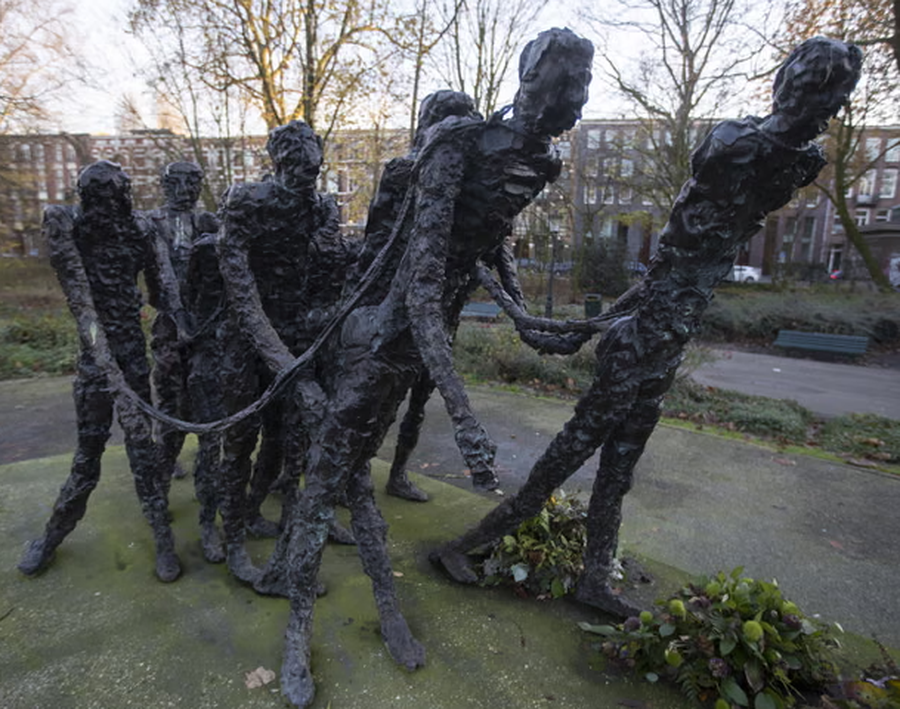
At least 3.3 million people were enslaved by the Netherlands during the transatlantic slave trade, according to a new study that challenges the figure of 600,000 widely used in history books and cited in official apologies by the Dutch king and politicians.
When he apologized three years ago for the Netherlands' role in the transatlantic slave trade, King Willem-Alexander referred to the more than 600,000 Africans who were transported on Dutch ships to be sold as slaves.
Former Prime Minister Mark Rutte also used the same figure in 2022, when he apologized for what he described as "past actions of the Dutch state."
However, according to a book by Dutch investigative journalist Leendert van der Valk, this figure represents a major underestimate of the real number of victims of Dutch slavery. According to him, the true number is estimated to be between 3.3 and 5.3 million people.
Van der Valk argues that the figure of 600,000 does not include all the territories where the Dutch colonized or enslaved people, does not cover the entire period of its involvement in slavery, and does not account for many people who were born into slavery. It also does not include the indigenous populations that the Dutch encountered in some of their colonies and later enslaved.
For Peggy Brandon, a well-known cultural figure originally from Surinam and curator of the National Slavery Museum in the Netherlands, which is under construction, the significance of these figures goes beyond statistics.
"What bothers me is that we never talk about the people who lived generation after generation within this system of slavery," she said. "We don't talk about the people who sometimes killed their own young children because they didn't want them to grow up in slavery."
According to Brandon, determining the true number of victims is a way to restore the humanity of people who were dehumanized by Europeans to justify and normalize their treatment of people of color. She added that this is an important step in challenging colonial narratives that continue to exist today.
Van der Valk's book, titled Forgotten Places, Forgotten People – An Atlas of the Dutch History of Slavery, is based on demographic calculations and research, mainly from Radboud University in the Netherlands.
Professor of colonialism at Radboud University and the International Institute of Social History, Matthias van Rossum, said the new figures are based on ongoing research into Dutch history, including studies on the slave trade in Asia.
According to him, the new estimates shift the focus from the number of people transported through the intercontinental slave trade to including those who were born into slavery or were enslaved in other ways, as happened with indigenous communities.
In his calculations, Van der Valk also includes countries such as South Africa, India and Sri Lanka, which were colonies or important slave trade centers under Dutch administration before coming under British control. He also includes Caribbean territories such as Guyana and Tobago, which, he says, were important Dutch possessions until they officially came under British control in 1814.







Lini një Përgjigje