


 Shkruar nga Pamfleti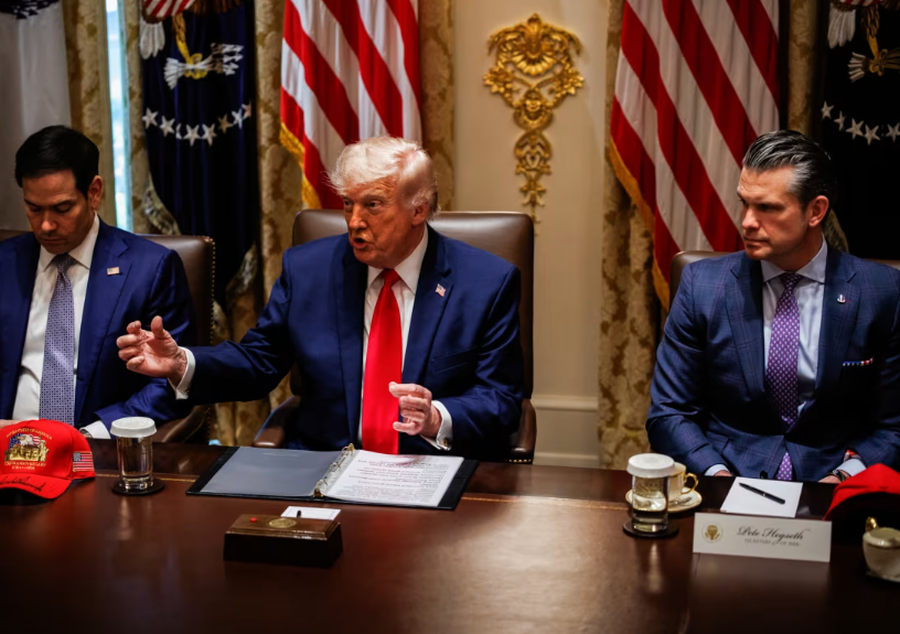
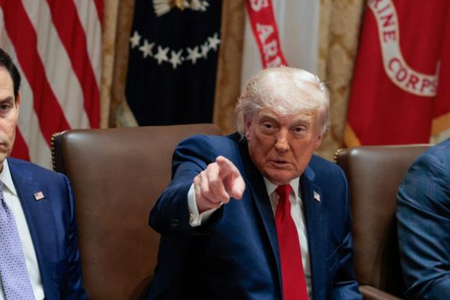
US President Donald Trump has given mixed messages about how Iran's enriched uranium stockpile should be handled, creating uncertainty over one of the most important issues in negotiations between Washington and Tehran.
Recently, Treasury Secretary Scott Bessent declared that Iran's handover of enriched uranium constitutes a "red line" for the Trump administration. Secretary of State Marco Rubio has also demanded that Tehran hand over its stockpile of enriched uranium, presenting this as an unchanging position of the president.
However, Trump himself has taken different positions in recent months. On some occasions he has stated that the uranium should be taken and transported to the United States, while on other occasions he has suggested that the material could remain buried underground and monitored remotely.
In an interview with Reuters in April, Trump downplayed the importance of the uranium reserves, arguing that they were so deep underground that they were not an immediate concern. Two weeks later, he changed his tune and declared that the US would take action to extract and retrieve the material. Then, in interviews with Fox News in May, he suggested that burying the uranium could be an acceptable solution, although he continued to express a preference for retrieving it.
According to Aaron Blake's analysis, these discrepancies reflect a broader problem in defining the Trump administration's objectives towards Iran. While US officials speak of clear terms, the president's statements have left room for different interpretations of what Washington is willing to accept in negotiations.
The fate of enriched uranium remains a key element for any future agreement, as it will directly impact the assessment of the effectiveness of American efforts to limit Iran's nuclear program.



Lini një Përgjigje