


 Shkruar nga Pamfleti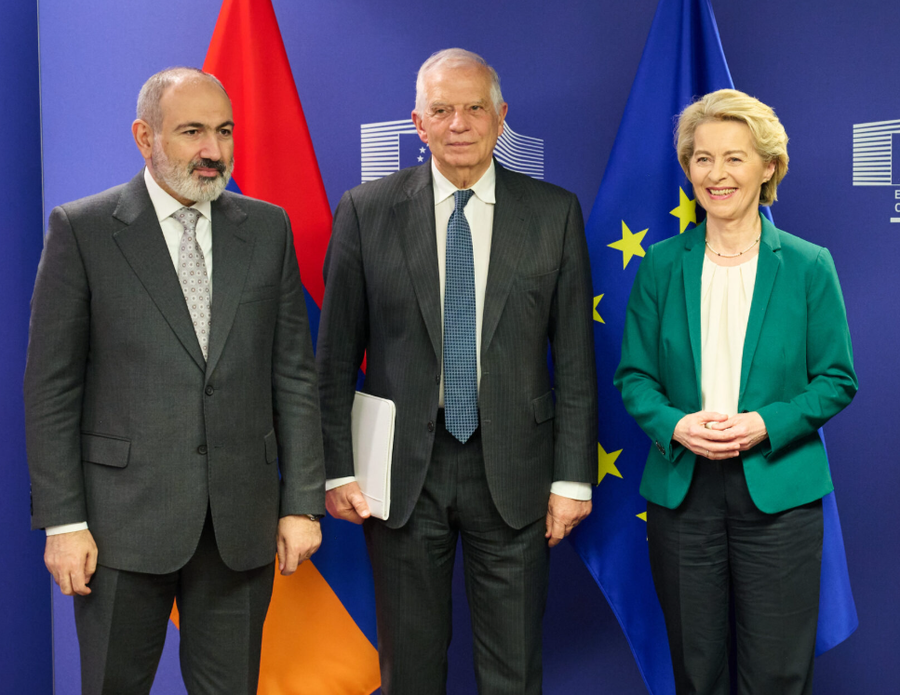
An analysis criticizes EU policy, arguing that current support endangers democratic standards in the country...
The European Union has built its identity on the export of democratic norms. Conditionality on the rule of law, election monitoring and support for civil society are the tools that Brussels uses to reflect this approach.
In Armenia, 6 weeks before the most important parliamentary elections in a generation, the EU is using all these instruments and directing them at the wrong target.
The EU's Hybrid Rapid Response Team in Armenia is not an independent monitoring body. Its formal mandate is to advise the office of Prime Minister Nikol Pashinyan.
Specifically, a €12 million EU package to “counter disinformation” ahead of the June 7 elections channels funds through institutions that are directly under the government’s influence.
The opposition in Armenia and many independent observers have described this support as a "green light" for electoral manipulation, as it gives European legitimacy to a government that, according to them, has not earned it.
Through an emergency legislative procedure that allows for approval within 24 hours, a deadline that makes public debate impossible, the ruling Civil Contract party approved sweeping changes to the Electoral Code. These include granting broad new powers to authorities to exclude election observation organizations.
Brussels has not given any public reaction on this issue.
Meanwhile, Samvel Karapetyan, one of the leading opposition figures in Armenia, an Armenian-Russian businessman and a major financial backer of the Armenian Apostolic Church, is under house arrest on charges widely described in the country as fabricated. The EU, which conditions the negotiation process with candidate countries on the independence of the judiciary, has not linked the case to its programs in Armenia.
A success story for Brussels?
Brussels would counter by presenting Armenia as a success story, a country that has signed the Comprehensive and Enhanced Partnership Agreement with the EU and has expressed aspirations for European integration. But, according to the analysis, Prime Minister Pashinyan's own statements show a different reality.
During the presentation of his party's election program, he stated that "it is difficult to overestimate the importance of our relations with Russia" and vowed that he "will not allow any attempt to create problems in Armenia-Russia relations."
Ai ka shkuar edhe më tej: ata që përpiqen të “minojnë miqësinë dhe vëllazërinë Armeni–Rusi”, sipas tij, “janë thjesht agjentë të huaj”, duke përdorur të njëjtin term që Kremlini përdor për të shtypur kundërshtarët.
Sipas autorit, afrimi i tij me Europën shërben si një kartë negociuese për të marrë burime dhe legjitimitet, ndërsa mbetet i lidhur ngushtë me Moskën dhe Ankaranë. Analiza thekson se kjo nuk përbën një orientim të ri gjeopolitik, por një situatë ku BE-ja po manipulohet.
Kjo, sipas autorit, nuk duhet të jetë surprizë për ata që kanë ndjekur zhvillimet. Ai i referohet një raporti të vitit 2024 të ECIPE, ku sugjerohet se Pashinyan mund të ketë pasur kontakte me kreun e shërbimit të inteligjencës së jashtme ruse që në vitin 2015, para “Revolucionit të Kadifenjtë”.
Pas ardhjes në pushtet, ai dërgoi trupa armene përkrah forcave ruse në Siri, drejtoi samitin e Unionit Euroaziatik në Moskë në maj 2024 dhe ka zhvilluar dhjetëra takime me presidentin rus Vladimir Putin që nga viti 2018.
Sipas analizës së David Grigorian, të publikuar në Euobserver, BE-ja nuk po financon një partner demokratik, por po subvencionon një aktor të lidhur me Rusinë. Artikulli shton se BE-ja ka qenë në dijeni të këtyre sinjaleve paralajmëruese, por ka zgjedhur t’i injorojë. Një shpjegim më strukturor lidhet me energjinë.
Pas pushtimit rus të Ukrainës, Europa u detyrua të diversifikojë furnizimet me gaz dhe iu drejtua Azerbajxhanit. Në korrik 2022, presidentja e Komisionit Europian Ursula von der Leyen e quajti Azerbajxhanin “partner të besueshëm” dhe nënshkroi një marrëveshje për dyfishimin e importeve të gazit, ndonëse vendi klasifikohet si “jo i lirë” nga Freedom House.
Në këtë kontekst, Armenia e Pashinyan ndodhet mes Brukselit dhe Bakusë. Mbajtja e tij në pushtet, sipas analizës, siguron vazhdimësinë e furnizimeve me gaz dhe funksionimin e korridorit të Kaukazit Jugor. Kështu, sipas autorit, dështimi i Europës në Armeni nuk është thjesht neglizhencë, por një marrëveshje pragmatike.
Tre hapa përpara samitit
Samiti i parë BE–Armeni, që zhvillohet më 4 dhe 5 maj në Jerevan, me pjesëmarrjen e presidentit të Këshillit Europian António Costa dhe Ursula von der Leyen, mund të përkeqësojë situatën. Vizita e liderëve europianë në një kohë kur qeveria akuzohet për ndalim të kundërshtarëve, presion ndaj kishës dhe ndryshime të rregullave zgjedhore, mund t’i japë kryeministrit legjitimitetin që kërkon para zgjedhjeve.
Autori propozon tre masa korrigjuese para 7 qershorit:
Së pari, BE-ja duhet të ridrejtojë monitorimin drejt organizatave të pavarura të shoqërisë civile dhe grupeve vëzhguese të lidhura me opozitën.
Së dyti, Brukseli duhet të deklarojë qartë se ndryshimet e fundit në Kodin Zgjedhor, që rrisin kompetencat e qeverisë, janë të papajtueshme me standardet demokratike.
Së treti, BE-ja duhet të bëjë të qartë se burgosja e kundërshtarëve politikë dhe përdorimi i burimeve shtetërore kundër institucioneve fetare nuk përputhen me aspiratat për integrim europian.
The analysis emphasizes that the EU has helped Armenia open a door to Europe, but there is a risk that the current financial and institutional support will enable the government to close it. /Adapted Pamphlet /


Lini një Përgjigje