


 Shkruar nga Pamfleti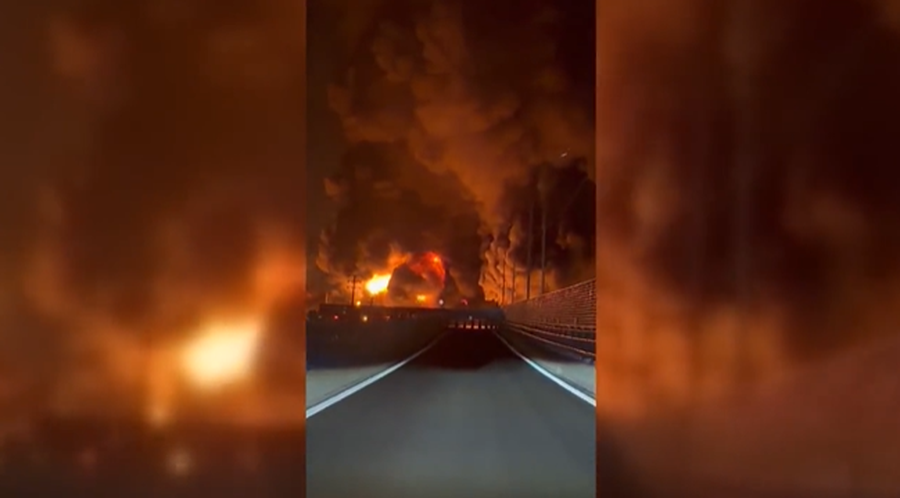
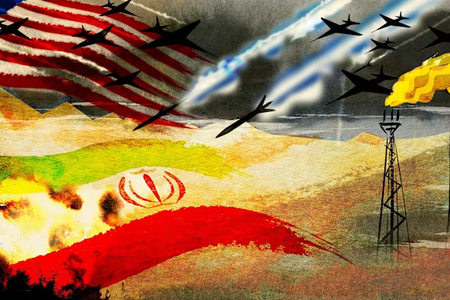
Global oil prices have surpassed $100 per barrel for the first time since 2022, due to joint attacks by the United States and Israel on Iran.
Iranians described scenes of disaster after the bombing of Tehran's oil depots,
with residents reporting the terror of the smoke-filled city, from rain, potentially toxic air and water to food shortages and the difficulty of escape. Thick black smoke still rose into the sky, soot covered streets and cars, balconies were littered with black debris and toxic air filled lungs as Tehran woke up after a night of airstrikes on the city's oil depots.
Four oil depots and an oil logistics site in and around Tehran were hit. Local authorities said six people were killed and 20 injured at one of the sites.
Meanwhile, the international benchmark Brent crude oil price rose by more than 20% over the weekend, reaching as high as $114 per barrel. On Monday morning, the price stabilized around $107.50 per barrel, as markets continue to react to fears of global energy supply disruptions. The price of US West Texas Intermediate oil also rose sharply, reaching above $112 per barrel.
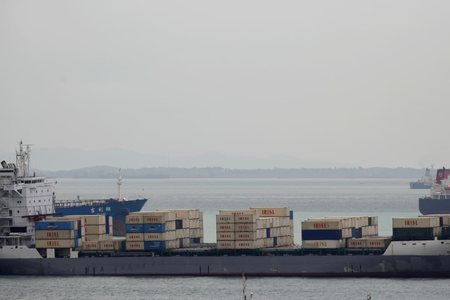
The price hike is largely linked to tensions in the Strait of Hormuz, one of the world's most important oil shipping lanes. Iran has effectively blocked shipping in the area in retaliation, putting about a fifth of global oil supplies at risk.
Several producing countries such as Iraq, the United Arab Emirates and Kuwait have reduced production, as oil transportation has become more difficult due to the situation in the region.
US President Donald Trump described the price increase as a temporary effect of the conflict, stressing that the situation will stabilize once, according to him, the Iranian nuclear threat is eliminated.
"Short-term oil prices, which will fall rapidly when the destruction of the Iranian nuclear threat is complete, are a very small price to pay for the United States, the world, security and peace," Trump said in a post on Truth Social.
US Energy Secretary Chris Wright also stated that any increase in fuel prices in international markets is expected to be short-term.
However, financial markets across Asia remain under pressure.
Iran's attacks on its neighbors
Iran has struck Bahrain's largest refinery this morning.
The Israeli military is preparing for a month-long war, according to Israeli media.
The sharp rise in oil prices and the escalation of the war between the United States, Israel and Iran are causing severe shocks in global markets. With Brent approaching $120 a barrel earlier and the Strait of Hormuz virtually closed, investors and governments are facing a new wave of energy and inflationary pressure.
The price of US WTI crude oil has risen by 30% and that of Brent by 27%, with both benchmarks now exceeding $116 per barrel, as markets have been gripped by panic over the continuation of the war in the Middle East and the de facto closure of the Strait of Hormuz.
International stock markets recorded sharp losses, the dollar strengthened, while bond yields rose, in an environment of strong geopolitical uncertainty reminiscent of the most turbulent periods of recent years.




Lini një Përgjigje