


 Shkruar nga Pamfleti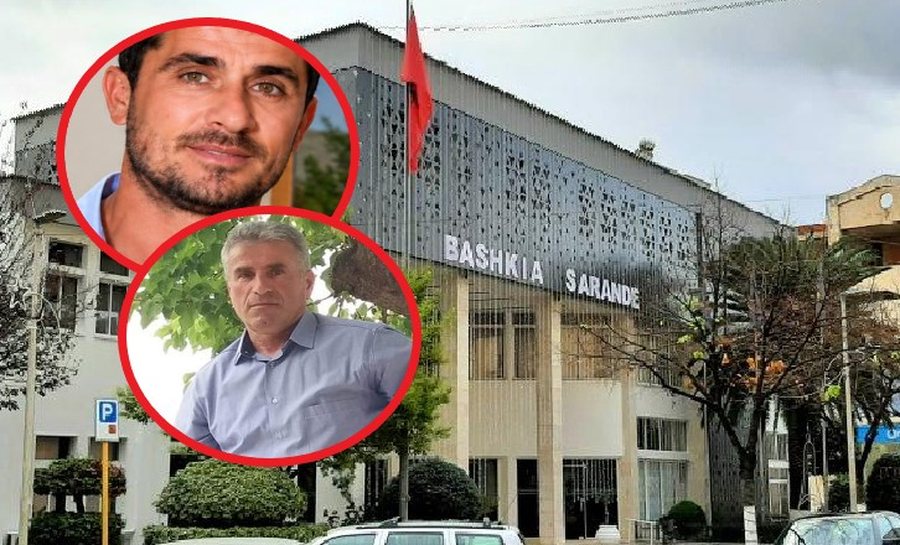
Come ha fatto l'IMT Saranda a passare da uno scandalo all'altro? Tre periodi, tre dirigenti e lo stesso schema sospetto: costruzioni abusive, inerzia istituzionale, accuse di corruzione, favoritismi e mancanza di trasparenza.
Saranda non si trova più ad affrontare un normale problema amministrativo. Saranda si trova di fronte a un ricorrente schema di appropriazione indebita di istituzioni, in cui l'Ispettorato per la Tutela del Territorio, l'ente che avrebbe dovuto proteggere la città dalle costruzioni abusive, sarebbe diventato il principale strumento per autorizzare, insabbiare e favorire l'illegalità.
Negli ultimi tre anni, ai vertici o all'interno dell'IMT Saranda sono emerse tre fasi di seri dubbi: la fase di Nasip Hoxha, la fase di Eduart Veliu e l'attuale fase di Fatjon Veliu. Tre periodi, tre nomi, ma un unico modello: costruzioni abusive, inerzia, corruzione, favoritismi verso i potenti e mancanza di reale responsabilità.
Nella prima fase, Nasip Hoxha e l'IMT sono diventati il simbolo di abusi e corruzione.
Il primo nome che pesa maggiormente sulla storia dell'IMT Saranda è quello di Nasip Hoxha. Durante il suo mandato, l'IMT Saranda è stata oggetto di numerose denunce pubbliche e accuse di inerzia contro le costruzioni abusive, tolleranza dell'illegalità e utilizzo dell'istituzione come strumento di favoritismo.
Invece di fermare le costruzioni abusive, come denunciato pubblicamente, a Saranda le costruzioni sono continuate, gli edifici sono cresciuti, le decisioni di demolizione sono rimaste solo sulla carta, mentre la città si cementificava sotto gli occhi delle istituzioni. Non si trattava più di un semplice fallimento amministrativo. Questo è stato il momento in cui, a quanto pare, l'IMT Saranda si è trasformata in una struttura che non proteggeva il territorio, ma gli interessi di chi vi aveva costruito sopra.
Le relazioni della Corte dei Conti dello Stato hanno successivamente individuato gravi problemi nel Comune di Saranda e nel funzionamento delle strutture preposte al controllo del territorio. A seguito di tali riscontri, la struttura dell'IMT (Inter-Meccanismo di Gestione) è stata scossa e la precedente dirigenza si è dimessa. Ma la domanda che è rimasta senza risposta è: perché nessuno ha perseguito penalmente le responsabilità di coloro che hanno permesso che si verificasse questa situazione?
Nasip Hoxha è stato davvero oggetto di indagine per tutto il periodo in cui ha guidato l'IMT?
Sono state verificate tutte le decisioni di demolizione non eseguite?
Sono state verificate le multe inflitte e quelle non riscosse?
Sono stati indagati i legami tra i funzionari dell'IMT, i costruttori e i leader politici del Comune di Saranda?
Oppure il primo gruppo di sospettati all'IMT Saranda è riuscito a fuggire illeso fino alla fine?

Second phase: Eduart Veliu and the penalty kick against IMT.
After Nasip Hoxha, Eduart Veliu was appointed head of the IMT Saranda. But instead of cleaning up the institution, the scandal deepened. Investigations by the Saranda Prosecutor's Office into illegal construction brought security measures against IMT officials, with specific names on the scene: Eduart Veliu, chief inspector of IMT Saranda; and 10 IMT inspectors.
If IMT had a duty to stop unauthorized construction, how did it happen that IMT officials ended up at the center of the investigation?
Who notified the builders?
Who didn't notice the objects?
Who kept the files inactive?
Who signed the minutes?
Who left the demolition decisions unexecuted?
Who guaranteed the construction until completion?
These are questions that the Prosecution cannot limit to just a few inspectors. Because when the IMT, police and builders are involved in the investigation, then we are not talking about isolated violations. We are talking about suspicion of an organized group regarding illegal construction.
The third phase, Fatjon Veliu and the question that weighs on the Municipality of Saranda, who is the son of Eduart Veliu's uncle, appointed by the latter as an inspector at the Saranda IMT.
After the crackdown on Eduart Veliu's group, citizens expected IMT Saranda to be cleaned up, any access to suspicious documentation to be blocked, and an independent administration to be established until the investigation was completed. But the opposite happened. Fatjon Veliu emerged as the head of IMT.
This is the most serious point in history.

According to public complaints, Fatjon Veliu is not a figure detached from the previous structure, but a person who was part of the administrative circle of the IMT. For this reason, his appointment as head of the institution cannot be treated as a normal administrative action. He should be treated as an investigative lead.
Why, after Nasip Hoxha and Eduart Veliu, is a person connected to the same structure and precisely Eduart Veliu's relative once again placed at the head of the IMT?
Why was Fatjon Veliu left out of the wave of responsibility, while the structure he is suspected of being a part of was hit by the criminal investigation?
Is Fatjon Veliu politically protected?
Does he enjoy the support of the mayor of Saranda?
Has the head of the IMT been appointed to check the files left by Eduart Veliu to his cousin?
Is the current leadership being used to fix documentation, cover administrative tracks, or neutralize evidence that the Prosecution may need?
Questa è la domanda fondamentale: Fatjon Veliu è il nuovo capo di un'istituzione ripulita, oppure un rappresentante del terzo gruppo sospettato che mantiene la continuità del sistema? / Infront.org



Lini një Përgjigje