


 Shkruar nga Pamfleti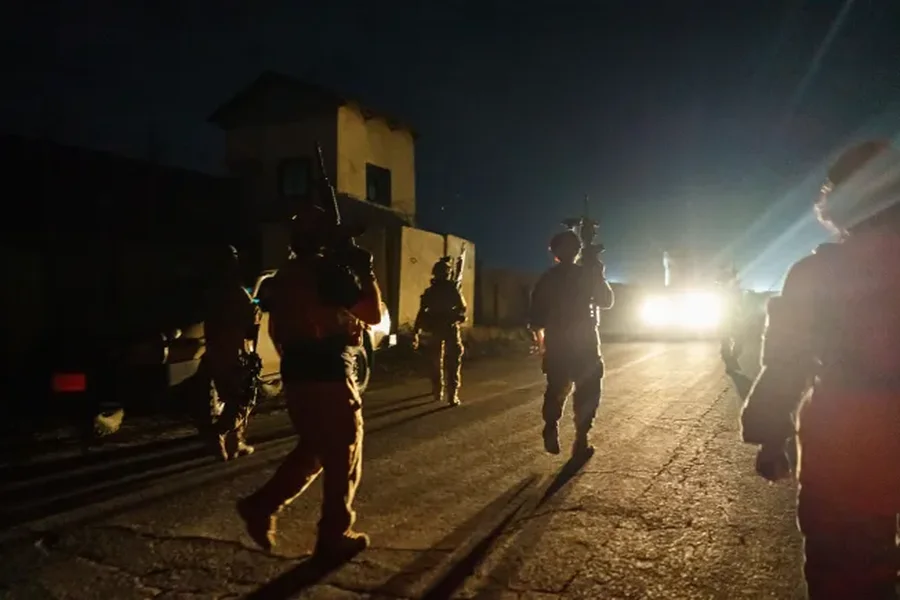
Most American military commanders recommended staying in Afghanistan. They argued that only an American presence could prevent the collapse of the Afghan government and the return of the terrorist threat...
Five years after the end of the American war in Afghanistan, one of the most important debates in US foreign policy is returning to the spotlight. Was the war necessary to last two decades? Was the threat that justified the US military presence until 2021 real? And what should American decision-makers learn from a conflict that cost an estimated one trillion dollars and thousands of lives?
In an analysis published in the magazine Foreign Affairs, Carter Malkasian, one of the American experts who has served for years in Afghanistan and has been part of the policymaking process in Washington, reaches a difficult conclusion for the American establishment: the terrorist threat that justified the continuation of the war was overestimated and many of the decisions made over the past two decades would have been different if American officials had the knowledge they have today.
The war that began as revenge for September 11
On October 7, 2001, just a few weeks after the September 11 terrorist attacks, the administration of President George W. Bush launched a military intervention in Afghanistan with the objective of destroying Al-Qaeda and overthrowing the Taliban regime that had harbored Osama bin Laden.
The military operation was a rapid success. Within months, the Taliban were ousted from power, Al-Qaeda was dismantled, and a new Western-backed government was established in Kabul under the leadership of Hamid Karzai.
However, according to Malkasian, it was this initial success that created the belief that the United States could build a democratic and stable Afghanistan. As Washington's attention shifted to Iraq after 2003, the Taliban gradually reorganized and regained control over large parts of the country.
Terrorism became the main argument for staying
The author argues that, although the US also invested in building Afghan institutions, security forces, and democracy, the main reason for continuing the war always remained terrorism.
Fears that an American withdrawal would turn Afghanistan into a haven for Al-Qaeda influenced the decisions of four American presidents: George W. Bush, Barack Obama, Donald Trump, and Joe Biden.
Malkasian himself admits that he shared this belief for many years. He recalls that in 2012 he publicly supported the idea of remaining about 25,000 American troops in Afghanistan for a long period, arguing that only this way could prevent the return of al-Qaeda.
Today, he admits that this assessment proved wrong.
The 2021 withdrawal and the fear of disaster
Kur Joe Biden mori detyrën në janar 2021, përballej me një zgjedhje të vështirë.
Nga njëra anë ishte opsioni për të mbajtur rreth 2.500 ushtarë amerikanë në Afganistan, duke vazhduar një mision që mund të zgjaste pafundësisht.
Nga ana tjetër ishte zbatimi i marrëveshjes së nënshkruar nga administrata Trump me talebanët në Doha, e cila parashikonte largimin e plotë të forcave amerikane.
Shumica e komandantëve ushtarakë amerikanë rekomandonin qëndrimin në Afganistan. Ata argumentonin se vetëm prania amerikane mund të pengonte rënien e qeverisë afgane dhe rikthimin e kërcënimit terrorist.
Biden zgjodhi largimin. Administrata amerikane parashikonte që qeveria afgane do të rezistonte të paktën gjashtë muaj pas tërheqjes.
Në realitet, regjimi u rrëzua brenda pak javësh. Më 15 gusht 2021 talebanët hynë në Kabul, ndërsa skenat kaotike në aeroportin e kryeqytetit u bënë simboli i përfundimit të luftës më të gjatë amerikane.
Çfarë ndodhi pas rikthimit të talebanëve?
Pikërisht këtu, sipas autorit, realiteti nuk përputhet me parashikimet që kishin dominuar politikën amerikane për vite me radhë.
Pesë vjet më vonë: nuk është kryer asnjë sulm terrorist kundër SHBA-së nga organizata me bazë në Afganistan; Al-Kaeda nuk ka rikrijuar një bazë të krahasueshme me atë të para vitit 2001; vendi ka kaluar periudhën më të gjatë pa luftë civile që nga fundi i viteve 1970; talebanët kanë ruajtur kontrollin pothuajse të plotë mbi territorin.
Autori nuk pretendon se Afganistani është bërë një vend i sigurt apo demokratik. Përkundrazi.
Ai përshkruan një vend me ekonomi të dobët, varfëri në rritje, sistem shëndetësor të dobësuar dhe kufizime të ashpra ndaj grave.
Ndalimi i arsimit të mesëm dhe universitar për vajzat, kufizimet në punësim dhe lëvizje për gratë, sipas tij, përbëjnë regresin më të madh të Afganistanit nën regjimin taleban.
Stabilitet politik, por jo liri
Një nga vlerësimet më të debatueshme të analizës lidhet me mënyrën se si talebanët kanë administruar vendin.
Malkasian vëren se, ndryshe nga pritshmëritë e shumë zyrtarëve amerikanë, talebanët nuk kanë zhvilluar një fushatë sistematike hakmarrjeje ndaj ish-zyrtarëve të qeverisë afgane apo bashkëpunëtorëve të Perëndimit.
Në shumë raste, sipas tij, ish-zyrtarët kanë vazhduar jetën pa u përballur me represion të organizuar nga udhëheqja qendrore, megjithëse incidente lokale dhe hakmarrje individuale kanë ndodhur.
Një tjetër zhvillim që autori e konsideron të papritur është ndalimi pothuajse i plotë i kultivimit të opiumit.
Sipas të dhënave të Kombeve të Bashkuara që citon analiza, kultivimi i lulëkuqes u ul me rreth 95 për qind gjatë vitit 2023 pas ndalimit të vendosur nga udhëheqësi suprem i talebanëve.
A ishte mbivlerësuar kërcënimi terrorist?
Ky është argumenti qendror i analizës.
Autori pranon se edhe sot ekzistojnë elementë të Al-Kaedës në Afganistan dhe se organizata Shteti Islamik vazhdon të kryejë sulme ndaj talebanëve.
Po ashtu, ai kujton se në vitin 2022 SHBA vrau liderin e Al-Kaedës, Ayman al-Zawahiri, në Kabul.
However, according to him, these developments have not produced what was considered the most dangerous scenario: the use of Afghanistan as a base for international attacks against the United States.
For this reason, he concludes that American assessments of the risk after the withdrawal proved exaggerated.
Why didn't Washington withdraw earlier?
The analysis identifies several factors.
First was the political climate after September 11, when fear of terrorism dominated American public opinion.
Second, intelligence institutions consistently produced consensus assessments that predicted the rapid return of the terrorist threat in the event of American withdrawal.
According to the author, these analyses did not pay sufficient attention to alternative scenarios.
Another factor was psychological.
After thousands of casualties and sacrifices by American soldiers, many commanders and decision-makers found it difficult to accept a withdrawal that could be interpreted as defeat.
According to Malkasian, the desire not to lose influenced decision-making as much as strategic analysis.
The author argues that the greatest danger is not the return of terrorism to Afghanistan, but forgetting. He warns that if American policy does not reflect on the reasons that led to the prolongation of a 20-year war, there is a risk that similar mistakes will be repeated in future conflicts.
According to him, the most important lesson is that decisions to keep troops in a long-term conflict should be based on accurate assessments of the threat and not just on momentary fear or the desire to avoid the perception of defeat. /Adapted from Pamphlet by Foreign Affairs/





Lini një Përgjigje