


 Shkruar nga Gjergj Zefi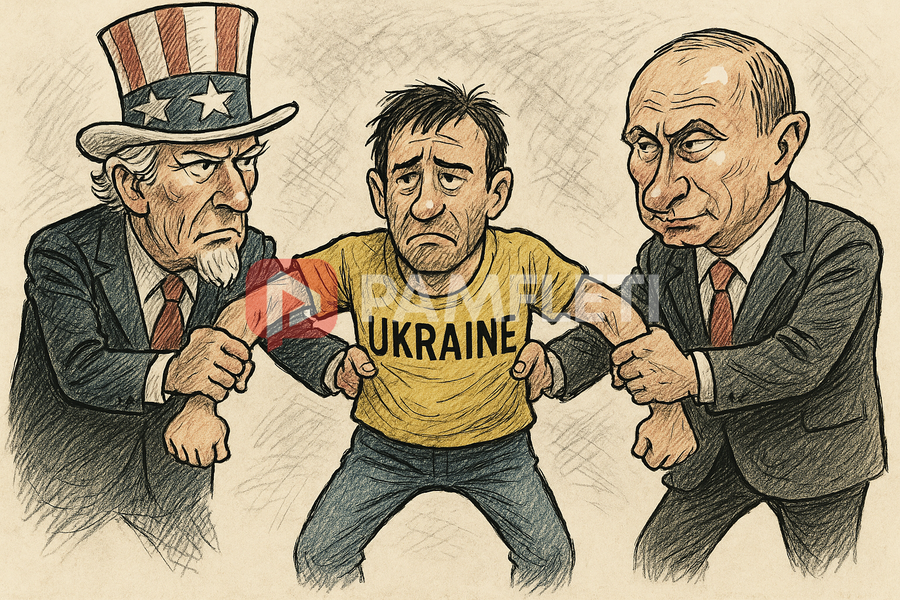
An agreement that is sold as a compromise, but which actually gives Moscow what it could not take with war...
International diplomacy is a stage where words are often lighter than reality, and the peace negotiations between Ukraine and Russia prove this absurdity of the 21st century better than any other case. The US claims to be building a new security architecture, Russia says it is defending its “historical interests,” and Ukraine must swallow the idea that peace is something that is done without it, on it, and at its expense. At first glance, it seems as if the world is witnessing a step towards compromise; in reality, what is being offered is more like a surrender ‘form’ wrapped in diplomatic soft words.
As delegations shuttle between Geneva and Abu Dhabi, Russian missiles dispel any illusion that we are facing a lasting solution. In a dark irony, every time Washington approaches Kiev with pressure for flexibility, Moscow approaches with explosives. This is the only language Putin believes the West understands: “negotiations” accompanied by craters in the asphalt. And, unfortunately, it seems to be working.
The 28-point American plan, which began as a broad concept and is now turning into a more detailed draft, demands from Ukraine a series of compromises that would be unacceptable to any other country claiming sovereignty. Reduction of armed forces, guarantees of neutrality, distancing from NATO and acceptance of new territorial realities; all of these are presented with the half-hearted smiles of diplomats who know very well what they are asking for. And the greatest cynicism is that those demands are presented as “necessary steps towards stability.”
Russia, meanwhile, is playing a long game. It knows that the West is tired, divided, and obsessed with stability more than justice. Whenever Washington tries to sell optimism, the Kremlin reminds it that the war is not over. In this picture, Putin seems to be the only one who does not need to hide behind euphemisms: he says openly what the West describes in lines of reports: Russia seeks territorial gains and international recognition for its aggression.
And so, the negotiations continue. Not because peace is taking shape, but because the parties need to maintain the illusion that they are working towards it. The US seeks a quick diplomatic success, Russia seeks a lasting strategic victory, while Ukraine struggles to preserve face, territory and identity under pressure from two powers that say they want peace but read it in different translations.
At the end of the day, the reality is simple and brutal: the agreement being outlined is neither a triumph of diplomacy nor a lasting ceasefire. It is an agreement that seeks to close a tedious dossier for the West, give Moscow enough to declare victory, and leave Ukraine in a limbo where it neither fights, nor wins, nor loses; it just waits for the next round.
Peace, in this case, is simply a word used to cover up a bitter reality: no one at the table is negotiating for it; everyone is negotiating for their own interests. And Ukraine, as usual, is footing the bill./ Pamphlet
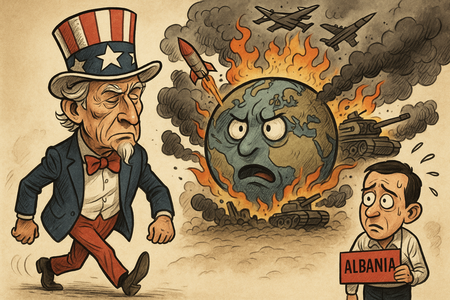


Na quajne hic ne Shqioptareve keta te medhenjte. Por po te dinin ate lojen e thjeshte 'dam' qe luanim ne e kur nuk kishte nga tia mbante kundershtari i beje "haje me detyrim percaktim". Po ta kishit mesuar kete nuk do perfundonit keshtu ju Ukrainasit se e kishit mendjen te luftonit krah ruseve e serbeve kunder Shqiptareve ne Kosove. Hajeni tani, se u ben mire.