


 Shkruar nga Pamfleti
The Baltic Sea has difficult underwater conditions, rugged terrain, waters with varying salinities and low visibility, which makes it easier to hide submarines and more difficult to protect cables and underwater infrastructure. Countries with a higher dependence on sea lanes, such as Sweden, Finland, Norway, Estonia and Lithuania, are most at risk in the event of interference or acts of sabotage.

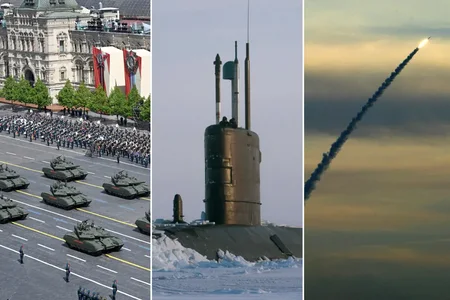
The Swedish navy is encountering Russian submarines in the Baltic Sea almost every week, as tensions in the region rise in line with Moscow's aggressiveness. The warning comes from the Swedish navy's chief of operations, Captain Marko Petković, who says Russia is increasing its military presence and modernizing its naval fleet at a rapid pace, The Guardian reports .
According to Petković, encounters with Russian submarines have become “very common,” becoming a daily part of the Swedish navy’s work. He notes that the number of incidents and sightings has increased significantly in recent years.
Russia is producing a new Kilo-class submarine every year in the city of St. Petersburg and in the militarized enclave of Kaliningrad, between Poland and Lithuania. This activity is part of a “deliberate and continuous modernization program,” Petković stressed, warning that Russian naval capabilities will grow even further.
He adds that after a possible ceasefire in Ukraine, Moscow is likely to shift more resources and military assets to the Baltics, increasing pressure on the Nordic countries and the NATO alliance.
In addition to military assets, Sweden is also concerned about the so-called “shadow fleet,” old civilian-flagged oil tankers that transport Russian oil. Petković does not rule out the possibility that these ships could be used to launch drones or other hybrid operations. “The shadow fleet itself is not a military problem, but it could be used for actions that affect our security,” he says.
Why in the Baltics?
The Baltic Sea has difficult underwater conditions, rugged terrain, waters with varying salinities and low visibility, which makes it easier to hide submarines and more difficult to protect cables and underwater infrastructure. Countries with a higher dependence on sea lanes, such as Sweden, Finland, Norway, Estonia and Lithuania, are most at risk in the event of interference or acts of sabotage.
However, Petković believes that NATO's increased vigilance has paid off. He mentions Operation Baltic Sentry, launched in January, which appears to have contributed to a reduction in incidents involving submarine cables. "This operation shows the strength of the alliance and the fact that we are acting unitedly against threats. The increased NATO presence itself has also increased vigilance for civilian vessels sailing in the region," he emphasizes.
Sweden recently hosted NATO's major exercise "Playbook Merlin 25," involving seven alliance countries and the U.S. Hundreds of sailors and pilots practiced anti-submarine warfare tactics in the unique conditions of the Baltic, preparing for a potential underwater attack.




Me kujtohet kur ishim te vegjel luanim "kukamshefti" dhe e ka "kush e ka". Kujtonim se ishin lojera te verteta e argetuese per ne femijet e tani po e kuptojme qe te rriturit vazhdojne t'i luajne keto lojera pise.