


 Shkruar nga Pamfleti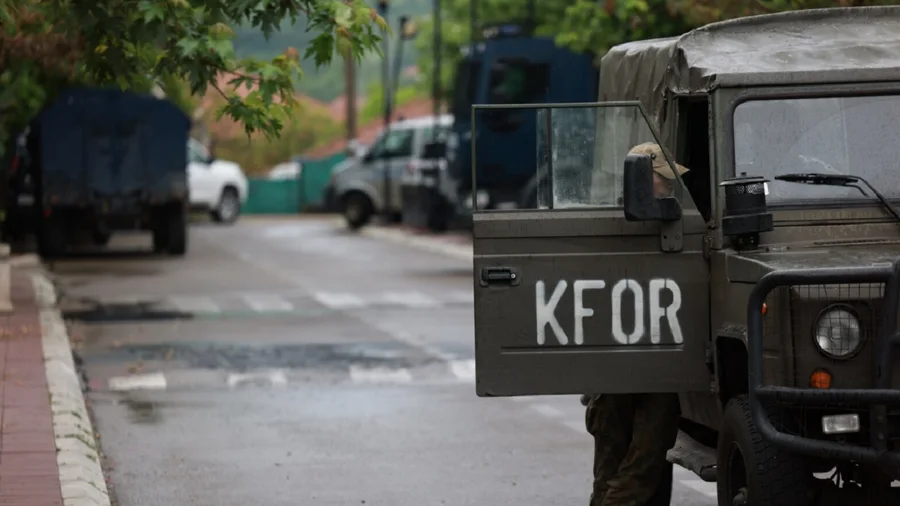
A senior group of US congressmen and senators from both parties have sent a letter to Secretary of State and National Security Advisor Marco Rubio, expressing deep concern over reports that the Trump administration may reduce the presence of US forces in the NATO mission (KFOR).
“ At a time of heightened political fragility and increasing malign influences in the Western Balkans, a premature reduction of the U.S. presence risks destabilizing not only Kosovo but the broader region, particularly Bosnia and Herzegovina. We urge you to maintain current U.S. force levels to protect United States national security interests in the Western Balkans region ,” the letter said.
The letter, signed by figures such as Michael R. Turner, Brendan F. Boyle, Gregory W. Meeks, Rick Larsen, Jeanne Shaheen, Charles Grassley, Thom Tillis, Roger Wicker, Ann Wagner, Chris Van Hollen, Joni Ernst and Peter Welch, states that a premature reduction of US troops would destabilize not only Kosovo, but also the wider region, including Bosnia and Herzegovina.
They point out that since KFOR was established in 1999 under UN Security Council Resolution 1244, the force has maintained peace between Kosovo and Serbia, preventing ethnic violence and external interference. The letter also noted that the US contribution is the "main pillar" of KFOR's deterrent effect, sending strategic signals to allies and preventing escalation by actors in Serbia or Kosovo.
“ In this situation, we request that any consideration of changing the US military presence in Kosovo be discussed through an interagency process under your leadership. As members who have dedicated a significant portion of our time to Western Balkans issues, we welcome the opportunity to speak with you and discuss this issue in detail ,” the letter further stated.
Congressmen and senators are demanding clarification from the State Department on the assessment of the regional implications of the potential reduction, the decision-making process, and coordination with Congress before any changes. They emphasize that as National Security Advisor, Rubio is responsible for protecting American interests and are demanding a detailed discussion on the issue.
The letter highlights that a premature withdrawal could create space for malign Russian influences and undermine the hard-won stability in the Western Balkans.
The full letter to Rubio:
The Honorable Marco Rubio!
Po ju shkruajmë në cilësinë tuaj si këshilltar për sigurinë kombëtare dhe Sekretar i Shtetit për të shprehur shqetësimin tonë të thellë lidhur me raportimet se administrata Trump mund të reduktojë praninë e forcave amerikane nga misioni i udhëhequr nga NATO Kosovo Force (KFOR) në Kosovë.
Në një kohë të brishtësisë së lartë politike dhe rritjes së ndikimeve keqdashëse në Ballkanin Perëndimor, një reduktim i parakohshëm i pranisë amerikane rrezikon të destabilizojë jo vetëm Kosovën, por edhe rajonin më të gjerë, veçanërisht Bosnje-Hercegovinën. Ne ju bëjmë thirrje të ruani nivelet aktuale të forcave amerikane për të mbrojtur interesat e sigurisë kombëtare të Shteteve të Bashkuara në rajonin e Ballkanit Perëndimor.
Që nga themelimi i saj në vitin 1999 përmes Rezolutës 1244 të Këshillit të Sigurimit të OKB, Forca e Kosovës (KFOR) ka ruajtur paqen mes Kosovës dhe Serbisë dhe së fundmi ka shërbyer si një faktor kritik parandalues kundër dhunës së re etnike dhe ndërhyrjeve të jashtme.
Që nga fillimi i saj, Shtetet e Bashkuara kanë qenë mbështetësi kryesor i KFOR-it brenda kuadrit të NATO-s dhe kanë forcuar kapacitetet e sigurisë së Forcës së Sigurisë së Kosovës, veçanërisht përmes Programit të Partneritetit Shtetëror me Gardën Kombëtare të shtetit të Ioëa-s.
Shtetet e Bashkuara kontribuojnë me deri në 500 personel ushtarak në një forcë paqeruajtëse prej rreth 5000 ushtarësh në total – një prani e vogël, por me ndikim shumë të madh. Pranohet gjerësisht se kontributi amerikan është shtylla kryesore e efektit parandalues të KFOR-it, duke dhënë sinjale strategjike për aleatët dhe partnerët dhe duke penguar përshkallëzimin e mundshëm nga aktorë në Serbi ose Kosovë. Çdo reduktim i personelit ushtarak amerikan mund të ketë pasoja të konsiderueshme jo vetëm për kapacitetet operacionale të forcës paqeruajtëse, por edhe për të dobësuar rolin e KFOR-it si një faktor politik parandalues për ruajtjen e paqes dhe stabilitetit në Kosovë.
Tensionet mes komuniteteve etnike serbe në veri të Kosovës vazhdojnë, mes veprimeve të vazhdueshme nga qeveria qendrore e Kosovës që vazhdojnë të përkeqësojnë marrëdhëniet me komunitetet lokale. Duke pasur parasysh mungesën e përparimit domethënës në dialogun Beograd-Prishtinë, një reduktim i trupave do të hiqte një mjet presioni që mund të detyrojë rikthimin në negociata. Për më tepër, një prani më e vogël amerikane mund të inkurajojë aktorë që e shohin tërheqjen e Perëndimit si një mundësi për të nxitur trazira.
Implikimet për Bosnje-Hercegovinën janë veçanërisht shqetësuese, duke qenë se KFOR shërben si forcë rezervë për të mbështetur misionin EUFOR Althea të Bashkimit Evropian në rast të një përshkallëzimi të mundshëm në Bosnje-Hercegovinë. Në muajt e fundit, lideri i entitetit Republika Srpska, Milorad Dodik, ka vazhduar retorikën e tij separatiste dhe bllokimin institucional, pavarësisht vendimit të administratës Trump më 29 tetor për të hequr sanksionet ndaj Dodikut dhe bashkëpunëtorëve të tij.
Even after the sanctions were lifted, Mr. Dodik has falsely claimed that he is still the legitimate president of Republika Srpska, questioned whether Bosnia and Herzegovina should continue to exist, and, most recently on January 30, called for a united front to begin moving away from the Dayton Peace Agreement.
Against this backdrop of escalating rhetoric, the very perception of an American reduction in KFOR could encourage the nationalist agendas of actors in Kosovo and Serbia, but also the separatist ambitions of leaders in Republika Srpska, undermining state cohesion in Bosnia and Herzegovina and increasing the risk of a political or security crisis.
Moreover, Russia has consistently sought to exploit divisions in the Western Balkans and weaken NATO and EU support for the region. In April 2024, NATO’s Supreme Allied Commander Europe, General Christopher Cavoli, testified before Congress that Russia is actively fomenting tensions between ethnic groups to undermine the territorial integrity of Bosnia and Herzegovina. This was one of the reasons he decided to increase and strengthen the KFOR presence and increase military equipment in the region. Russia has also actively blocked the recognition of Kosovo’s independence.
Given that recent intelligence indicates no change in Russian malign influence in the region, we should not reduce U.S. forces and leave additional room for Russian activity. We respectfully request clarification on the Department’s assessment of the regional security implications of this potential reduction, particularly the spillover effects in Bosnia and Herzegovina. In particular, we seek clarity on the decision-making process and whether this decision is being made as part of the Trump administration’s review of force posture. We also urge the Department to coordinate closely with Congress before implementing further force reductions that could have significant geopolitical consequences.
As President Trump’s National Security Advisor, you are responsible for protecting the national security interests of the United States. In this situation, we request that any consideration of changing the U.S. military presence in Kosovo be discussed through an interagency process under your leadership. As members who have dedicated a significant portion of our time to Western Balkans issues, we welcome the opportunity to speak with you and discuss this issue in detail.


Lini një Përgjigje