


 Shkruar nga Pamfleti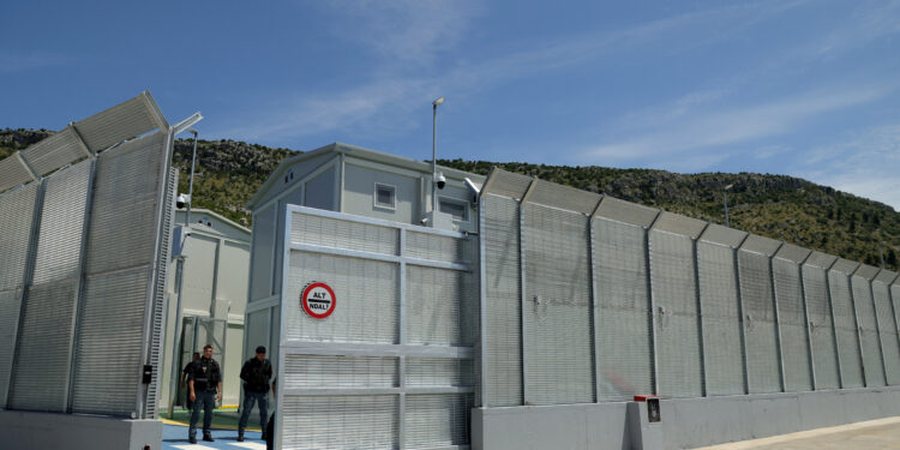
The protocol has raised numerous doubts and criticisms, and an essential point concerns the possible risk of externalizing asylum obligations, contrary to international law.
The United Nations Refugee Agency (UNHCR) will play the role of "monitoring and consultancy" in the Gjadri camp for identification procedures and repatriations of migrants.
According to the information, the (UNHCR) will carry out three months of initial monitoring in Lezhë, to then report to Rome what is wrong with the Italian centers for immigrants in the Albanian territory provided for in the agreement of last November between Giorgia Meloni and Edi Rama. .
The UN Refugee Agency (UNHCR) was officially invited by the Ministry of Interior to monitor the implementation of the Protocol and to guarantee "the rights and dignity of those subject to it".
The presence of UNHCR staff in hotspots where asylum claims are made and where migrants are held is a consolidated practice, in line with the UN agency's mandate to oversee the implementation of the 1951 Refugee Convention and to ensure the protection of refugees.
UNHCR did not participate in the negotiations between Rome and Tirana for the drafting of the Protocol. But after a series of meetings in which the Italian government "provided further information" on its implementation and "reaffirmed its strong desire that it be in accordance with international law and standards".
After insistence, the Italian interior ministry agreed to put the United Nations agency in a "monitoring and consulting" role for an initial duration of three months.
During this period, UNHCR will seek to improve the protection of asylum seekers and refugees by identifying and reporting to the relevant authorities any non-compliance with international human rights and refugee law and standards of good practice, and will work to improved protection guarantees ", say UNHCR sources.
The protocol has raised numerous doubts and criticisms, and an essential point concerns the possible risk of externalizing asylum obligations, contrary to international law. On paper it is not so, because the two centers of Shengjin for disembarkation and identification procedures and Gjaderi for repatriations (CPR) will remain under Italian jurisdiction.
But UNHCR sources say that this method still remains "an innovation" and the organization needs to be there.
Basically, before entering the centers, the migrants would undergo an initial check after rescue operations and then be transferred to a kind of hotspot ship in the port of Shengjin.
UNHCR staff will have to monitor each of these steps and at the end of three months "will make their recommendations available to the Italian government and other interested parties".
In the note announcing its commitment, the UNHCR emphasized that in order to guarantee the independence of its monitoring function, it will not receive any UNHCR funds from Rome.
The opening of the first part of the repatriation center in Gjadër has been postponed until August 20, while Tirana must hand over the keys to the Shengjin center to the Ministry of Interior by September 1. But the UNHCR also announced that it still does not have an exact date for the start of the task./Adapted "Pamphlet" from " EuNews "






Lini një Përgjigje