


 Shkruar nga Pamfleti
The invoices show that among the equipment used to build the "Harmonia" network are high-precision American sonars capable of tracking the seabed and detecting acoustic signatures on it; British underwater drones, designed to operate at depths of several thousand meters and autonomously collect underwater data; or Swedish antennas, German high-precision acoustic positioning systems and French underwater acoustic recorders.
Through shell companies, Moscow acquired advanced Western technology that supplied a secret underwater network designed to protect its nuclear weapons. The case calls into question Europe's ability to prevent the export of sensitive technology to Russia.
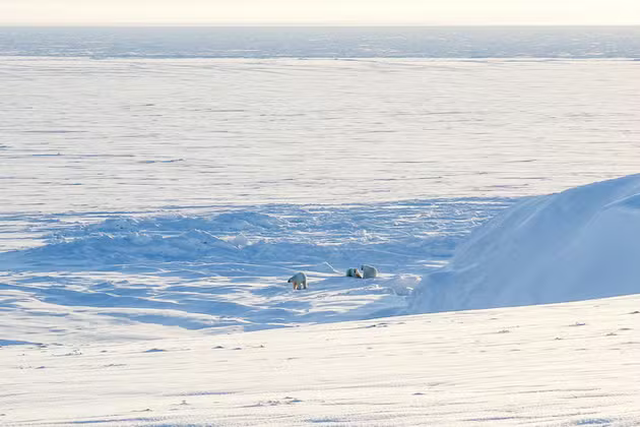
The investigation, in which Le Monde participated, reveals that in the depths of the Barents Sea, bordering the Arctic Ocean, Moscow has deployed a secret underwater network of thousands of sonar devices intended to protect its nuclear sites.
This listening and spying system, designed to detect NATO submarines, relies on advanced equipment from Europe, the United States and Japan.
Our collaborative investigation, coordinated by the German television channel NDR, provides unprecedented details on this secret military project, called "Harmony" (Гармо́ния). By comparing German court documents, leaked financial documents, open-source research and interviews with experts, Le Monde and its 9 partners were able to uncover the Russian Strategic Underwater Surveillance Network since 2012.
A system that serves Russian nuclear deterrence
To build "Harmony", Russia provided arsenals of nuclear weapons and so-called "pierced nuclear weapons".
This equipment, designed for civilian applications for scientific or industrial purposes, but likely to be diverted from its intended use for military purposes, is subject to Lexit regulations of a more sensitive European nature.
The invoices show that among the equipment used to build the "Harmonia" network are high-precision American sonars capable of tracking the seabed and detecting acoustic signatures on it; British underwater drones, designed to operate at depths of several thousand meters and autonomously collect underwater data; or Swedish antennas, German high-precision acoustic positioning systems and French underwater acoustic recorders. All of these are instruments designed to continuously transmit information from the depths of the sea.
Këto dokumente përmbajnë gjithashtu prova të blerjes së mijëra kilometrave kabllo optike nënujore nga Gjermania dhe Japonia, thelbësore për lidhjen e sensorëve akustikë të zhytur dhe transmetuesve nga Gjermania dhe Japonia. Së bashku, këto pajisje formojnë një sistem të integruar të aftë për të monitoruar zona të gjera në Arktik, ku një numër i madh nëndetësesh ruse sigurojnë pengesën bërthamore të Moskës.
Një flotilje e vjetër nën maskë
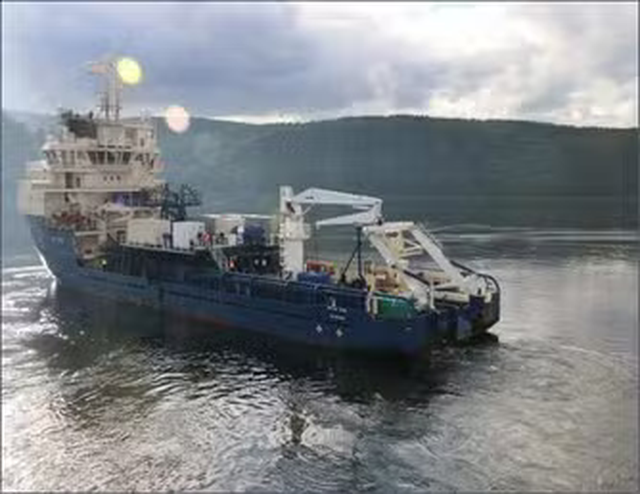
Kabllot dhe instrumentet e dëgjimit të blera nga Moska u instaluan nga një flotilje prej 9 anijesh, shumica e të cilave u blenë gjithashtu nga kompani perëndimore. Këto anije kujtojnë në shumë mënyra "flotën fantazmë" të famshme ruse të përdorur nga Kremlini për të anashkaluar embargon e naftës: të plakura, ato shpesh veprojnë nën maskë. Kështu, kjo flotilje kombinon anijet tradicionale me kabëll me anije të klasifikuara gabimisht si "kërkime oqeanografike", sipas një teknike të mirëpërpunuar të fshehjes për të fshehur natyrën ushtarake të këtyre operacioneve.
Projekti "Harmonia" u lançua nga konsorciumi "Secret Rusia" i Marinës Ruse, i cili ka vepruar në Detin Barents që nga viti 2004. Analiza dhe pozicionimi i GPS-ve të tyre gjatë disa viteve bëri të mundur identifikimin e vendeve të vendosjes së këtyre pajisjeve dhe më pas gjetjen e qendrave nervore të projektit "Harmonia": Murmansk, vendi Alexandra i Novaya Zemlya, i cili strehon pozicione ushtarake ruse.

Një shtet europian në zemër të rrjetit
Anijet e flotës "Harmonia" iu shitën Moskës me njohuri të plotë të situatës nga ish-pronarët e tyre, pronarë të vegjël europianë të anijeve: porti i tyre i origjinës është Murmansk, fortesa kryesore e ish-flotës, ishte një kontribues i rëndësishëm në kontratat e shitjes të marra nga konsorciumi ynë. Por çfarë ndodh me komponentët teknologjikë që formojnë shtyllën kurrizore të rrjetit të mbikëqyrjes? A e dinin vërtet kompanitë perëndimore që i furnizonin ato se ato ishin të destinuara për Rusinë? Dhe a mund ta kishin imagjinuar se këto pajisje do të devijoheshin për qëllime ushtarake? Hetimi ynë tregon se Moska e përparoi këtë strategji, duke ndjekur një modus operandi të preferuar nga Kremlini. Një rrjet kompleks kompanish fasadë u krijua për të blerë anije dhe pajisje spiunazhi duke fshehur destinacionin e tyre të vërtetë. Ndërsa shumica e këtyre subjekteve ishin të regjistruara në vende të errëta dhe të largëta, ishte në Qipro, një shtet anëtar i Bashkimit Evropian (BE) që shpesh kritikohet për Rusinë dhe rregulloret e saj të dobëta, ku ndodhej subjekti që organizonte sistemin: Mostrello Commercial Limited.
E themeluar më 14 mars 2011 dhe e vendosur në një qendër biznesi në dukje të padëmshme, Mostrello e paraqet veten në faqen e saj të shkurtër të internetit si "një kompani e re dhe në rritje që operon në fushën e ekspeditave oqeanografike dhe nënujore". Ajo krenohet me ekspertizën e saj në ekspeditat oqeanografike dhe nënujore.
Në realitet, është një pjesë thelbësore e sistemit rus të prokurimit, duke orkestruar blerjen e teknologjisë dhe transferimin e saj të fshehtë në kantieret ushtarake detare të Murmanskut. Për të maskuar origjinën e sponsorit dhe destinacionin e operacioneve, arkitektët e skemës kanë shumëfishuar shtresat e errësirës, duke shkuar aq larg sa të krijojnë një trust, një strukturë ligjore që ofron një nivel anonimiteti për palët para-ekzistuese.
"Problemi" i CIA-s
Hetimet tona kanë zbuluar pronarin e vërtetë të Mostrello-s, pas shumë njerëzve të fasadës. Ai është Alexey Strelchenko. Ky biznesmen nga Moska drejton disa kompani në Rusi, përfshirë CJSC Perspective Technologies Agency (UPT), një parashtetëror ushtarak i afërt me FSB-në, shërbimin federal rus. UPT ishte ngarkuar me furnizimin e kabllove dhe pajisjeve nëndetëse për "Harmonie" Kometa Corp., një nënkontraktor i kompleksit ushtarako-industrial rus.
Lidhjet midis Moskës dhe Strelchenko mbetën nën radarin evropian për një kohë të gjatë, derisa CIA amerikane transmetoi një sinjal në shërbimet e inteligjencës gjermane në vitin 2021. Ky "informacion" shkaktoi hapjen e një hetimi gjyqësor në Frankfurt, i cili rezultoi në dënimin në korrik 2025 të një qytetari të Federatës Ruse si ndërmjetës midis kompanive perëndimore. Ndërsa CIA nuk pranoi të komentonte hetimin tonë, nuk ka dyshim se ky rrjet është identifikuar si një kërcënim në nivelin më të lartë nga autoritetet amerikane.
Para kësaj, kompania e vogël qipriote kishte qenë në gjendje të merrte materiale nga specialistë perëndimorë të teknologjisë nënujore për më shumë se 10 vjet, dhe më pas i furnizonte këto pajisje UPT. Në total, më shumë se 50 milionë euro materiale u shpenzuan për importimin e pajisjeve ruse midis viteve 2012 dhe 2024. Kjo do të thotë, pas aneksimit të Krimesë në vitin 2014, të drejtës për vetëmbrojtje, zbatimit dhe sanksioneve kundër Rusisë, si dhe pushtimit të mëvonshëm të Ukrainës në vitin 2022.

Të gjithë furnizuesit perëndimorë dhe aziatikë, pajisjet e të cilëve u përdorën për të ndërtuar projektin "Harmonia", iu përgjigjën pyetjeve tona duke pohuar se vepruan ligjërisht dhe nuk shkelën asnjë ligj në fuqi. Ky është rasti i gjigantit japonez NEC, i cili furnizoi me disa qindra kilometra kabllo nënujore, të drejtuara diskretisht në Murmansk.
R2Sonic i Amerikës, nga ana e tij, dorëzoi një sonar me precizion të lartë dhe një dron nënujor. Grupi publik norvegjez Kongsberg, i cili specializohet në pajisje sportive dhe synon të lokalizojë me saktësi objektet në shtratin e detit, po përgatitej të shiste një të ri kur Komisioni Norvegjez i Letrave me Vlerë (PST) ndërhyri.
Dy furnizues francezë të identifikuar
EU-based companies also confirmed the sales to the Cypriot company, claiming they complied with all applicable regulations. In Germany, a spokesperson for parent company Norddeutsche Seekabelwerke (NSW) specified that they had only sold "standard cables intended for civilian use".
They also included two French manufacturers, who deny it. The first, iXblue, whose acoustic equipment, according to our information, was used in the Aurelia, denies any direct commercial relationship with Mostrello and the Russian group UPT.
"We can confirm that iXblue (now Exail) is selling scientific and/or industrial equipment for offshore operations (low-load acoustic points) in Russia, starting in 2022," the French company admitted, adding that "these sales were made in compliance with regulations and with the authorizations of the competent French authorities when necessary."
The group states that it was contacted by Mostrello in 2015, but details that "the company itself terminated its access before we had to update our internal procedures."
RTsys, a manufacturer of passive acoustic sensors based in Caudan, according to financial documents consulted by Le Monde, sold equipment worth over 700,000 euros directly to Mostrello, destined for Murmansk, between 2015 and 2017. These devices, capable of carrying multiple hydrophones in deep waters and detecting ambient underwater noise, were also used in Arctic waters on the Aurelia.
The former president of RTsys, who was in office at the time these contracts were finalized, did not respond to requests for comment from Le Monde.
While there is no evidence that these manufacturers were aware of the use of their products, one case, however, raises questions: that of NSW, from which Mostrello bought for 15 million euros. According to the evidence analyzed by the consortium, the managers of the German group were indeed aware that these cables were destined for Russia: in at least two cases, the Russian company UPT supplied them directly.
Beyond the control of the states themselves, these numerous sales of equipment diverted from their intended use, which have the effect of strengthening military infrastructure, call into question the ability to acquire sensitive technology.
"It's like a game of cat and mouse, and you can be fooled," comments a specialist in this field.
"The real challenge is finding yourself facing dual end users, seemingly legitimate but under contract with problematic managers. Russia is using the means to circumvent the system." /Adapted from Le Monde/


Lini një Përgjigje