


 Shkruar nga Pamfleti
Crime experts explain why the British capital has become an ideal place for international criminals to live invisibly among millions of residents...
Hidden among the crowds of tourists and workers who use the London Underground every day, some of the leaders of organized crime live in disguise and feel untouchable.
However, the recent arrest in London of an Eastern European crime boss revealed a broader reality: for years, several important figures of the underworld have lived in the British capital, leading double lives, from quiet suburban homes to small food businesses.
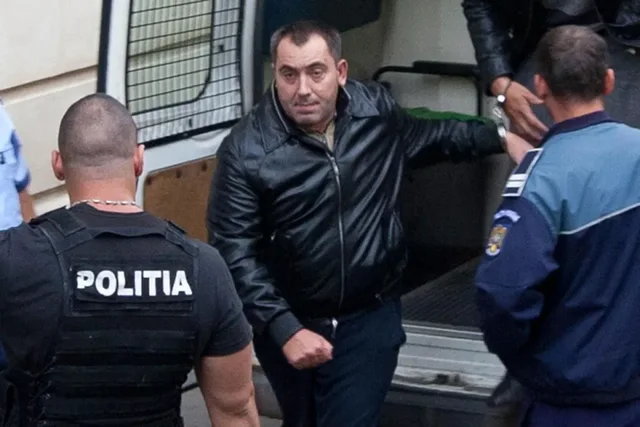
For many years, the leader of the criminal network Ion Gusan walked freely on the streets of London, although he was considered the head of a criminal organization with a reach across Europe. The situation changed in December, when agents of the National Crime Agency (NCA) arrested him near Tower Bridge, after stopping his Mercedes. The arrest was considered a significant blow to organized crime.
However, the fact that he had been on the run for three years and was allegedly living in a luxury apartment in Canary Wharf showed that London has become a haven for the highest levels of international crime. Many mafia bosses have managed to live for years without being detected, mixing with millions of the city's residents. Former London Metropolitan Police detective Peter Blakesley explains that the anonymity of big cities makes this possible.
“By the nature of big cities, people often don’t know their neighbors and don’t speak the same language. This makes it very easy for someone to live invisibly,” he said. He added that criminals are aware of this reality. According to him, only very important figures in organized crime become the target of special police operations.
Blakesley also raised the question of how many other members of criminal networks could still be living in Britain undetected, while victims of human trafficking or modern slavery often do not report themselves to the police. According to him, the informal economy is often fueled by criminal activity.
"It's a parallel economy. There are communities living parallel lives, with lots of cash payments and a high level of anonymity," he said. Cathy Haenlein, director of organized crime and police studies at the RUSI Institute, also points out that London's financial structure makes the city attractive to criminals looking to hide assets.
“Londra është një nga qendrat më të mëdha financiare në botë. Sistemet e sofistikuara financiare mund të shfrytëzohen për të fshehur ose për të legjitimuar pasuri të dyshimta”, tha ajo. Sipas saj, prona të shtrenjta, kompani dhe struktura të tjera financiare mund të përdoren për të futur para të paligjshme në ekonominë legale.

Rrjeti kriminal “The Patron”
Ion Gusan dyshohet se drejtonte një rrjet kriminal të Europës Lindore të njohur si “The Patron”, i cili besohet se ka lidhje me mafian ruse.
Ai ishte në kërkim nga autoritetet franceze dhe në maj të vitit të kaluar u dënua në mungesë për grabitje me armë, zhvatje me dhunë, kontrabandë, pastrim parash dhe pjesëmarrje në organizatë kriminale.
I lindur në një fshat të vogël në Moldavi, Gusan kishte arritur të shmangte arrestimin për gati 25 vite, pavarësisht hetimeve nga agjenci të ndryshme europiane. Prokurorët moldavë e akuzojnë se kishte urdhëruar një atentat ndaj biznesmenit rus German Gorbuntsov, i njohur si “Bankieri i Zi”. Ai u qëllua 6 herë me pistoletë pranë apartamentit të tij në Canary Wharf, por arriti të mbijetojë. Gusan dyshohet gjithashtu për përfshirje në trafikim migrantësh dhe në kontrabandë armësh ruse, përfshirë një sistem raketor për tanke dhe një hedhës raketash. Sipas inteligjencës, ai kishte arritur rangun e “vor-v-zakone”, një titull shumë i lartë në hierarkinë kriminale të vendeve ish-sovjetike.
Bosi shqiptar i dënuar për vrasje
Në mars të vitit të kaluar, një shqiptar i dënuar për vrasjen e një polici u lejua të qëndrojë në Londër pasi mori lirim me kusht gjatë një beteje ligjore për azil.
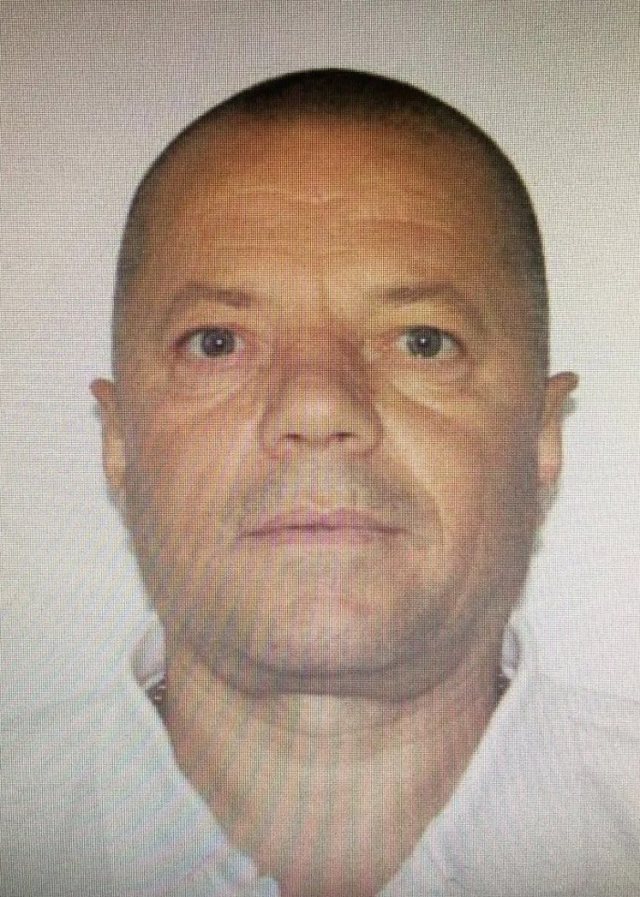
Sipas gazetës The Sun, Maksim Cela, 59 vjeç, ka kushtuar dhjetëra mijëra paund taksapaguesve britanikë në përpjekjet e tij për të shmangur deportimin.
Ai argumentoi se kthimi në Shqipëri do ta vendoste në rrezik nga rivalë të botës kriminale.
Cela ishte dënuar në Shqipëri për organizimin e vrasjes së policit Klenti Bano, i cili u qëllua me automatik AK-47 pranë shtëpisë së tij, si dhe për planifikimin e vendosjes së një bombe në një stadium futbolli në vitin 2009.

Ai u dënua me 25 vite burg. Pas lirimit të pjesshëm, tentoi të hynte në Britani me pasaportë false dhe të bashkohej me komunitetin shqiptar, por u ndalua nga autoritetet.
Kontrabandisti që drejtonte një kioskë ushqimi
Në lindje të Londrës, një kontrabandist njerëzish nga komuniteti kurd kishte ndërtuar një jetë të dyfishtë për vite me radhë.
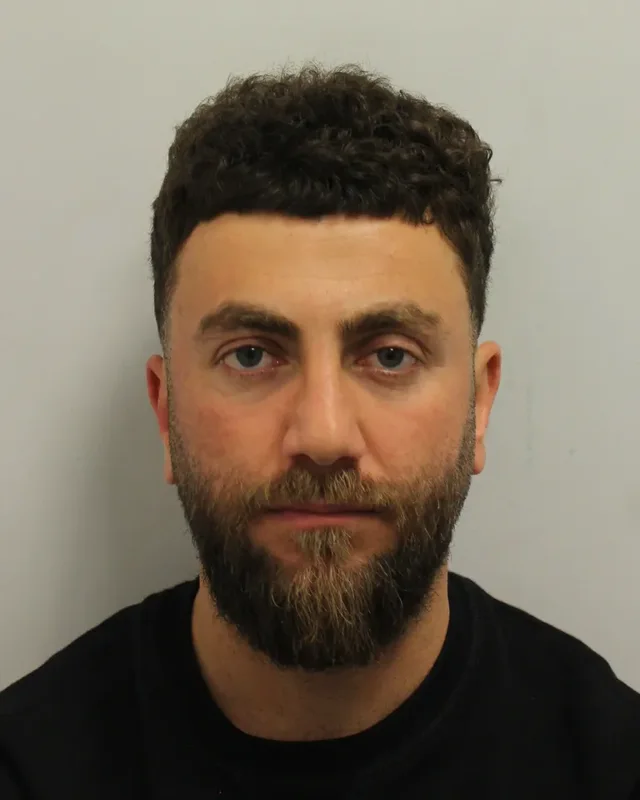
Hewa Rahimpur, 32 vjeç, jetonte si pronar i një kioske ushqimi në Ilford, ndërsa në të njëjtën kohë fitonte mijëra euro nga trafikimi i migrantëve me varka të vogla drejt Britanisë.
Ai kishte hyrë në vend në vitin 2016 i fshehur në një kamion dhe kërkoi azil duke pretenduar se rrezikohej në Iran. Autoritetet britanike i lejuan të qëndrojë në vitin 2020.
Fillimisht hapi një berberhane, më pas një kioskë ushqimi. Megjithatë, fakti që drejtonte një Mercedes S-Class ngriti dyshime për stilin e tij të jetesës.
Investigations revealed that he was one of the most notorious migrant smugglers in Europe and is suspected of having organised the crossing of up to 10,000 people across the English Channel.

A Sky News investigation also revealed that he was not from Iran, but from the city of Erbil in Iraq.
Rahimpur was arrested in 2022 near his home in Ilford by the National Crime Agency and extradited to Belgium, where in 2023 he was sentenced to 11 years in prison.
Mafia boss in the suburbs
The Italian mafia has also had its presence in London.
In 2013, authorities arrested Domenico Rancadore, a leader of the Sicilian mafia Cosa Nostra, who had been on the run for 20 years in the suburb of Uxbridge. He was living in a semi-detached house under the assumed name Marc Skinner.
Neighbors described him as a kind and family man, without suspecting that he was known in the criminal world by the nickname "The Professor" and had connections to extortion, drug trafficking, and mafia activities.
Although he was convicted in absentia in Italy in 1999, his extradition was blocked because British law did not recognize the criminal offense of “membership of a mafia organization.” After his arrest, he fought extradition for 18 months. When the proceedings were concluded, his sentence in Italy had expired and he was released.

Criminals paid for kidnappings
In November, authorities also arrested a Latvian national, Ainis Balodis, 45, suspected of a plot to kidnap the leader of an Albanian crime group. Balodis worked as a security guard at a luxury six-bedroom property in London.
According to investigations, he was part of a group of trained individuals, some of them former soldiers of the French Foreign Legion, who performed violent services for criminal networks.
The international operation that led to the arrests was led by German police and coordinated by Europol.

Wanted for cocaine trafficking
Authorities are still searching for Serbian crime boss Daniel Dugic, who is suspected of organizing a scheme to import 255 kilograms of cocaine into Britain in 2011.
He is on the National Crime Agency's most wanted list and is believed to be hiding in London.
According to investigations, the drugs were to be transferred across the English Channel from a container ship to a small vessel coming from Britain.

Although Dugic was not on either ship, authorities believe he played a key role in organizing the smuggling operation.
He remains at large. /Adapted from The Sun /



Lini një Përgjigje