


 Shkruar nga Pamfleti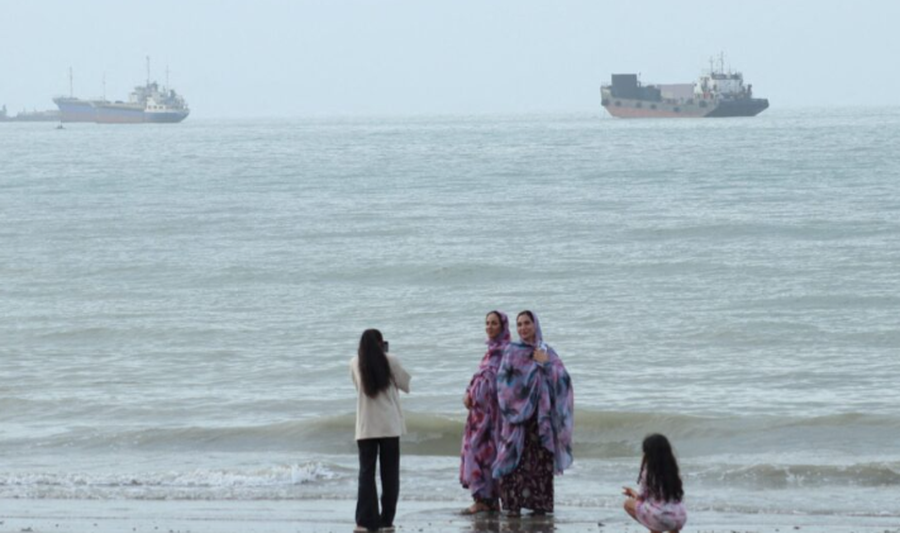
Gulf states have backed an Omani proposal that would allow Iran to collect voluntary contributions from ships passing through the Strait of Hormuz, in an effort to restore normal oil flows after disruptions caused by the conflict between the United States, Israel and Iran, Reuters reported, citing a Gulf source.
Under the proposal, Iran would not have exclusive control over the strait and payments from ships would be voluntary, following the model used in the Strait of Malacca. There, Indonesia, Malaysia and Singapore collect voluntary contributions to fund navigation, environmental protection and search and rescue operations.
The proposal comes as US President Donald Trump said "good talks" were taking place with Tehran, although he warned that US airstrikes could resume if negotiations fail. Iran has denied it intends to resume talks with Washington.
The Strait of Hormuz remains one of the world's most strategic shipping lanes, carrying about 20% of global oil and liquefied natural gas (LNG) trade before the conflict. Traffic was cut off after Iran restricted the passage of foreign ships following US-Israeli attacks. A deal reached last month led to a partial reopening of the corridor, but the situation deteriorated again in early July.
The United States is demanding the restoration of a regime of free passage without mandatory tariffs, arguing that their imposition would be contrary to international law. Meanwhile, Tehran has expressed its desire for the strait to be managed in cooperation with Oman, which controls the opposite shore.
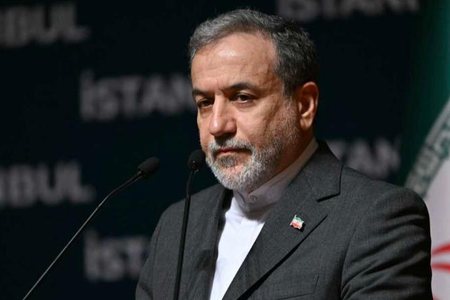
According to a statement by the Iranian Foreign Ministry, Foreign Minister Abbas Araghchi held talks on Monday with his counterparts from Oman and Saudi Arabia, where the issue of the Strait of Hormuz was discussed and the importance of strengthening regional cooperation was emphasized.





Lini një Përgjigje