


 Shkruar nga Artan Fuga
Society produces high-level crime precisely because there is no clear functioning of internal control mechanisms in governance.
Without a doubt, Albanian opinion at home and abroad has welcomed as much as the special anti-corruption structure has done in these years. Of course, the public does not know much from inside the institution, but upset by the high level of corruption, arbitrariness, and wealth inequalities, especially between MPs and ordinary people, not because of populism, it applauds every attack on the corrupt citadel built over three decades.
Despite this, it should be known that every human and institutional action brings unforeseen, secondary consequences, which often have a very significant impact.
This is the question: What consequences have the investigations against senior officials brought, without pretending to count them all?
On the political level
In the government sector, in the past two or three years, a number of ministers and deputy ministers who are directly or indirectly mentioned in the investigative files were removed from the government, if we believe the media reports. As a result, the power within the government of the current prime minister was strengthened, and the ministers almost completely lost their political content. They became even more people who are removed and put in place without any political consequences. This has gone so far that if you ask people on the street, four out of five people risk not knowing who the minister of this or that department is.
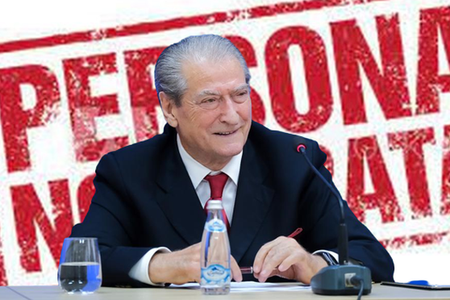
On the opposition side, it must be said that the investigations gave it a source of important information to build its denunciations against the government and corruption within it. It must also be said that the opposition itself, the PD, has contributed with its denunciations. But, on the other hand, the actions of the justice bodies, by targeting the leader of the opposition, weakened the opposition's influence on a good part of the dissatisfied electorate.
Likewise, the opposition fell into the trap of denouncing corruption, blocking any development of models that deal with new proposals for Albanians regarding the economy, the state, etc. Its propaganda suggests that it believes that if some thieves are removed and honest people are put in place that it believes are within it, everything will change for Albanians. The thing is, this message has not been enough for public opinion.
In terms of mass communication
Pasoja kanë ardhur edhe ndaj mediave. Agjenda kryesore e tyre kanë qenë veprimet e prokurorëve të posaçëm, aq sa ka një lloj njehsim të raportimit mediatik dhe raporteve të hetimit. Çështjet sociale kanë dalë edhe më tepër në periferi të vëmendjes së gazetarëve. Në bisedat në studio në prime time kanë dalë në plan të parë çështjet që lidhen me hetimet e korrupsionit dhe për rrjedhojë edhe gazetarë dhe analistë që me burime të ndryshme ngarkojnë hapësirën publike me përmbajtje hetimore, shifra, kontrata, etj., që sigurisht mbeten ,krejt të pakuptueshme nga audiencat. Ka një konvergjencë pra midis përmbajtjes së transmetuar në media dhe dosjeve hetimore, përse jo mund të thuhet se ato edhe ndikojnë deri në një farë mase njëra tjetrën.
Ka gazetarë që u duket se poqese nuk kopjojnë raporte hetimi dhe t’ia hedhin mbi kokë publikut si tulla nuk ja vlen të quhen të tillë! Gazetari është bërë një prokuror i dështuar, sikurse thoshim dikur në vitet 80 se traktoristi është një shofer i dështuar dhe shoferi një pilot i dështuar.
Në planin juridik
Reformën në drejtësi shqiptarët e kanë paguar goxha shtrenjtë. Nga njëra anë ajo që duket se shpresojnë të kenë fituar është hetimi i korrupsionit. Por, nga ana tjetër gjykata e niveleve të tjera, si penale ashtu edhe ato që gjykojnë çështje civile, për shkak të boshatisjes nga gjyqtarët, por jo vetëm, kanë vonesa të llahtarshme në shqyrtimin e dosjeve. Në një farë mase në jetën e përditshme shqiptari i sotëm merr me shumë vështirësi ose aspak drejtësi. Unë mendoj se kjo është hera e parë që i ndodh prej mijëra vitesh.
Mosbesimi te drejtësia, vonesat në shqyrtimin e çështjeve ka bërë që sidomos për çështjet e pronave të mbizotërojë kaosi i plotë. Ish pronarët ose pronarë të therë legjitimë nuk kanë ku të gjejnë drejtësi përballë rrëmbimit të pronave nga të fortë ose agjenci ekonomike private të lidhura me qeverinë ose me njerëz me pushtet.
Në planin e pritshmërive të opinionit publik
Opinioni publik fillimisht entuziast për luftën kundër korrupsionit tanimë është bërë më i mekur dhe shpreh pakënaqësi si për vonesën e hetimeve, ashtu edhe për vendosjen e shkaktarëve të korrupsionit përballë përgjegjësive penale.
Duke shqyrtuar me hollësi mijëra komente në rrjete sociale, shihet se janë bërë sunduese tre prirje kryesore.
E para, fataliteti. Bombardimi nga media me informacione mbi korrupsionin, hetimet e zgjatura, ndëshkimet që publikut i duken jo adekuate, i ka bërë shumë njerëz të mendojnë se korrupsioni e ka mundur të drejtën në këtë vend. Aktiviteti politik i opinionit publik të rënë në fatalizëm e ka bërë atë mosveprues. Kjo në fakt e ndihmon qeverisjen.
E dyta, frika. Frika nga të fortët, qofshin banda, qofshin elementë të krimit, qofshin qeveritarë të korruptuar. Individi nga populli sheh mbi kokën e tij një kështjellë si ato në filmat mesjetarë, ku pushteti i ligjshëm kushtetues nuk është veçse fasada që fsheh pushtete të tjera shumë më të fuqishme të paligjshme.
Third, distrust. Distrust when you see a combination of financial interests between people in power and those who pretend to be opposition figures, as well as when you judge that ultimately those who are convicted of corruption after serving their sentence are released into free life and enjoy financial power, social connections, and influence over political decision-making.
On the social level
Here the impact remains long-term. It is seen that there are hundreds of people from the administration who are mentioned in the investigative files circulating in the media. Of course, it cannot be otherwise. If a person in power has committed the crime of corruption, after him, hundreds and hundreds of others have acted, with actions or inactions, with very large or smaller benefits.
Society produces high-level crime precisely because there is no clear functioning of internal control mechanisms in governance.
From a social point of view, what will happen to this incriminated social stratum? There is an opinion that especially the upper part of this segment of society, even if punished, after committing it, returns with wealth, social connections, investments and after a few years will return in various forms to governance.
It will be recycled. Just as the beylers under the Ottoman Empire were recycled into pillars of the independent Albanian state, how high-ranking officials of the kingdom were recycled into the quisling oligarchs of Nazism, how individuals from the wealthy classes were recycled into high-ranking communist dignitaries, and how the latter controlled power even after the fateful year of 1990. Perhaps this is how those targeted by today's investigations will be recycled into the wealthy class, untroubled in the second half of the 21st century.
conclusion
Investigations into corruption are a positive thing in a society where every cell is dying under the metastases of corruption, arbitrary powers, and monopolies. But, in this first phase, they have, despite themselves, brought about counterproductive consequences and very worrying social phenomena.
Are those payments we should make for the sake of cleaning up society?
Are they indicators that the process has gotten out of hand?
We will see this until the 1930s.
For now, citizens are bowing down under the weight of corruption, and under the burden of the tribute they pay for what optimists call the battle against corruption.




Lini një Përgjigje