


 Shkruar nga Gjergj Zefi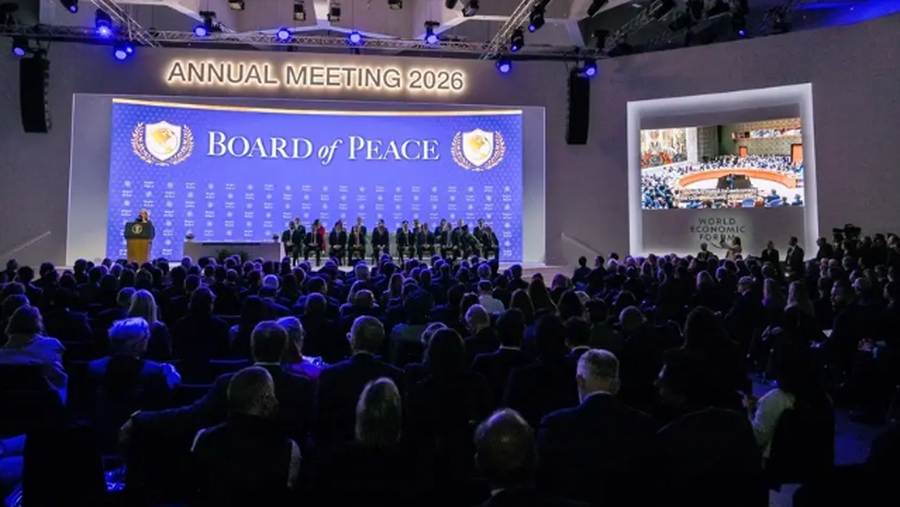
Why participation in the Gaza summit should not become an automatic requirement...
The invitation to Tirana and Pristina to an American roundtable on the reconstruction of Gaza is, at first glance, a sign of political appreciation. But serious diplomacy does not function with a reflex of gratitude; it functions with strategic coherence. On an issue as sensitive as Gaza, any small deviation from the European Union's position risks being read as wavering, not as maturity.
The American initiative to structure the post-conflict process remains, so far, a political project without full international consensus. Euro-skepticism is not anti-Americanism; it is institutional caution.
The EU insists that reconstruction should not precede a political solution, that Gaza should not be turned into a laboratory for interim administrations, and that the UN should remain the axis of legitimacy. This is the line that Albania and Kosovo should also stand on.
Aligning unfiltered with the United States would be a silent mistake: invisible today, but costly tomorrow in Brussels. For Albania, which aims for integration, and for Kosovo, which seeks consolidation of recognitions, political capital is built by being predictable and consistent with the European architecture of foreign policy.
A wise stance would be clear and unequivocal: support for humanitarian aid, commitment to peace and civilian reconstruction, but rejection of any formula that treats Gaza as a technical issue, ignoring the political roots of the conflict. Anything else would be diplomatic improvisation, disguised as pragmatism.
In foreign policy, the devil rarely appears openly. He hides in formulations, in silence and in unanalyzed lines. For Tirana and Pristina, the Gaza summit is not a test of loyalty to Washington, but a test of political maturity in relation to Europe. And these tests, usually, are unforgiving./ Pamphlet



Lini një Përgjigje